
8 Days
Daily Tour
Unlimited
English, Espanol
Some journeys you take for the photographs. This one you take for what it does to the way you see the world.
The Andalusian Gems is our signature eight-day tour — the one we designed for travellers who refuse to rush through a civilisation that spent eight centuries shaping the course of human history. Where the five-day Express gives you the highlights, this tour gives you the full story. The quieter corners. The deeper conversations. The moments that only happen when you allow yourself the luxury of time.
You begin in Málaga, where the Phoenicians first dropped anchor and where a fortress built by the Hammudid dynasty still watches over the harbour. Then north to Córdoba, the city that in the 10th century was home to half a million people, 70 libraries, and the greatest mosque the Western world had ever seen. Here, you will not only walk through the Mezquita — you will drive into the hills to stand among the ruins of Medina Azahara, the palace-city that Caliph Abd al-Rahman III built to rival Baghdad, and that was destroyed so completely that it lay buried and forgotten for a thousand years.
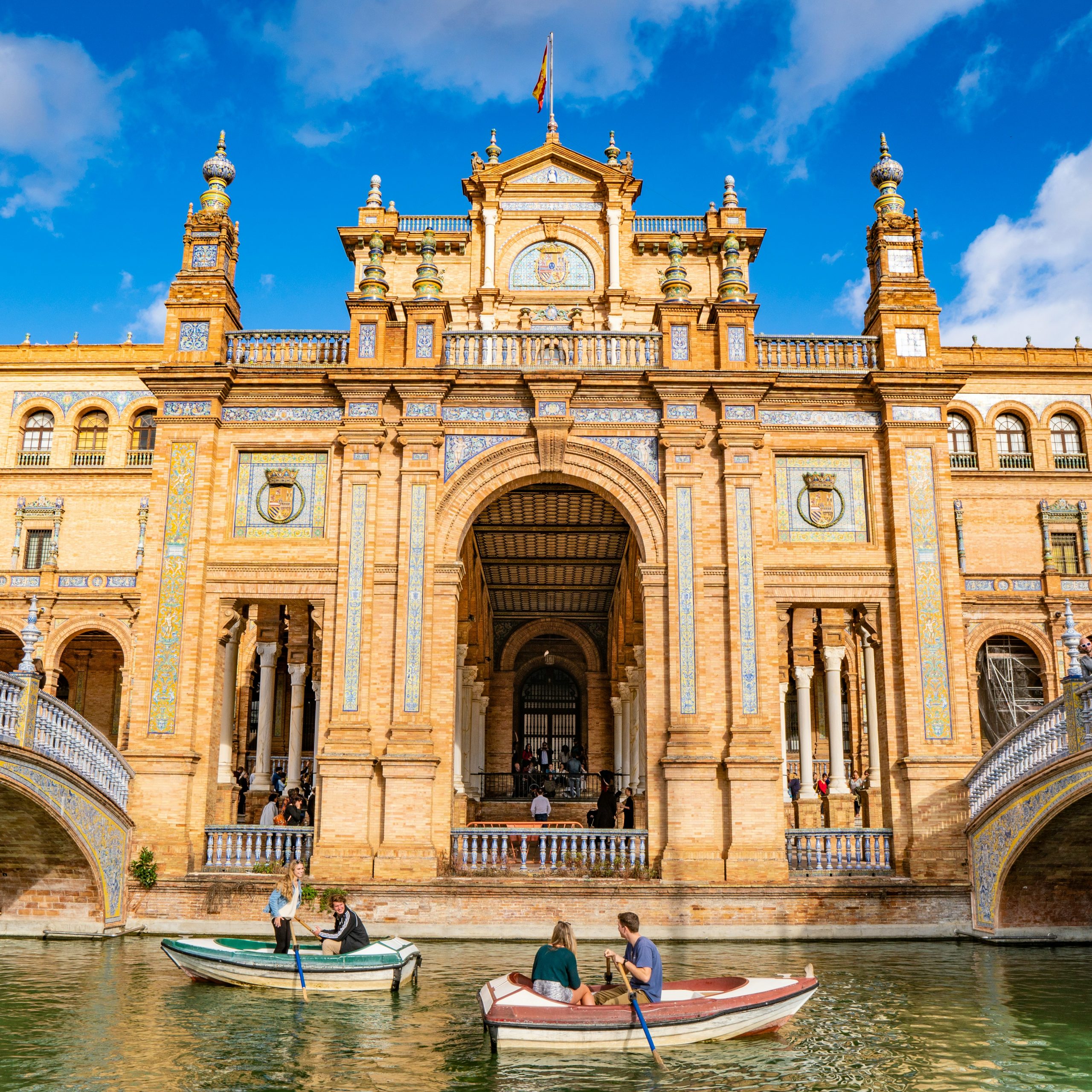
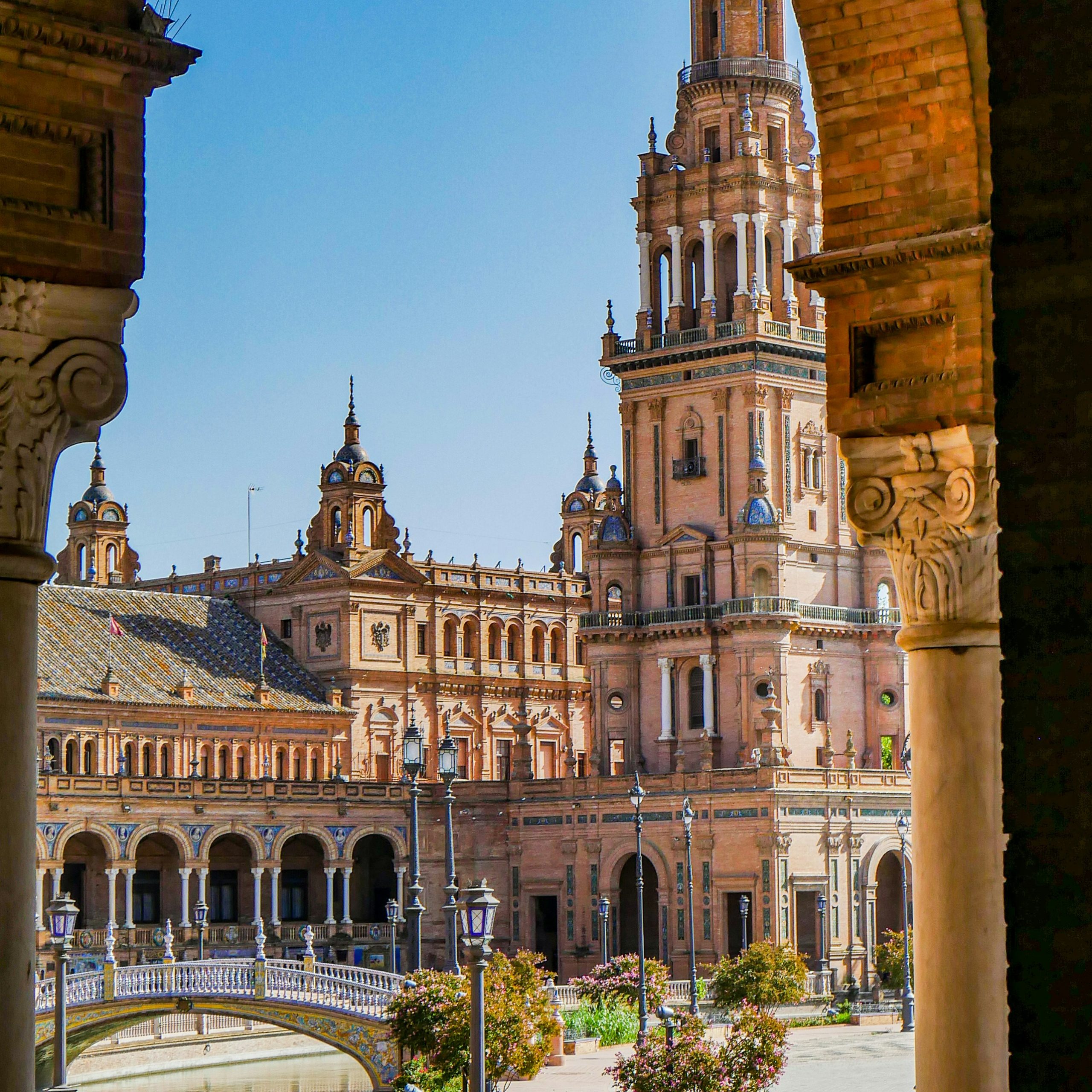
From Córdoba, you travel west to Seville, capital of the Almohad empire in Iberia. Two full days here give you time to do what most visitors never do — venture beyond the cathedral and the Alcázar to discover Itálica, the Roman city where Hadrian and Trajan were born, and La Buhaira, the pleasure gardens of the Almohad caliphs, and the Madrasah Al-Andalusia, where Islamic scholarship continues to this day.
Then comes Ronda, the mountaintop city perched above a gorge so dramatic it seems designed to make you catch your breath. Ronda’s Islamic roots run deep — from the Arab baths to the old medina — and the drive through the Andalusian countryside is itself a kind of meditation.
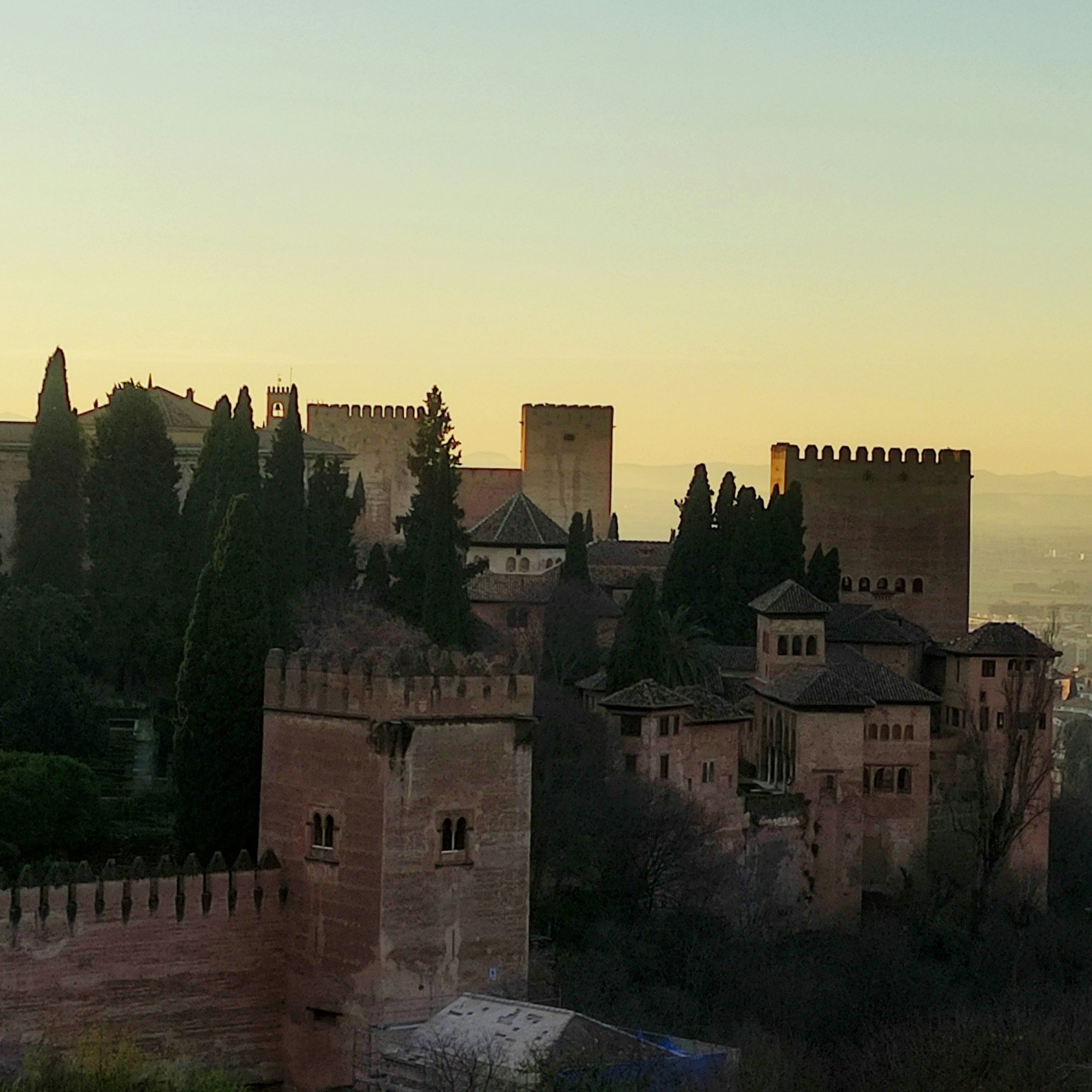
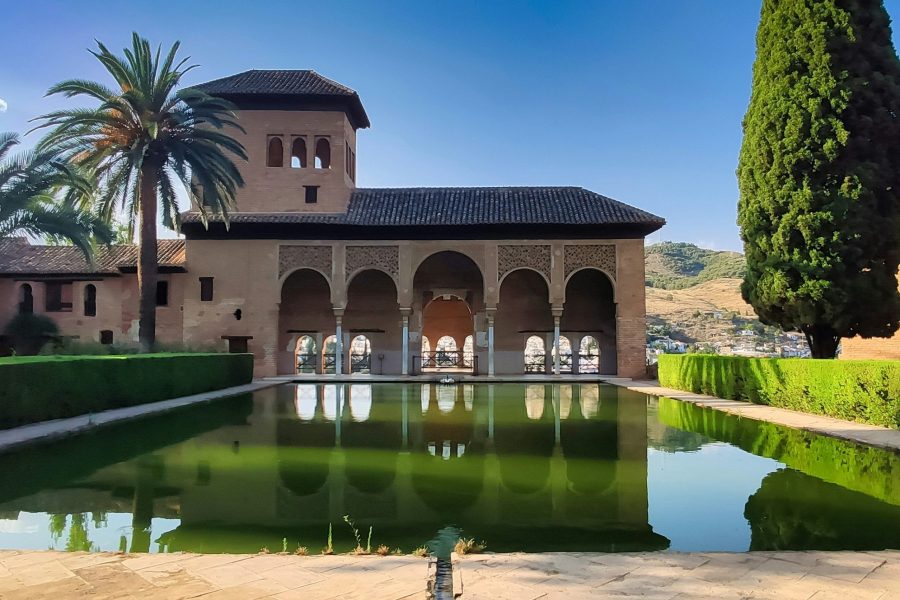
Two days in Granada allow you to experience the Alhambra without rushing — and to truly absorb the Albaicín, the old Moorish quarter where the call to prayer has returned after five centuries. You will visit the Madrasa of Yusuf I, explore the old silk market, and watch the sun set behind the Sierra Nevada as the Alhambra turns gold.
Your final morning takes you into the Alpujarras, the mountain villages south of Granada where Moorish architecture, irrigation systems, and daily rhythms survive as if the last thousand years were merely a pause.
Throughout these eight days, your guide is not a tour operator reading from a clipboard. They are scholars and historians of Al-Andalus — people who have dedicated their lives to understanding this civilisation and who will make you see Spain through entirely new eyes.
This is the tour for those who believe that the best way to honour a great civilisation is to take the time to truly understand it.
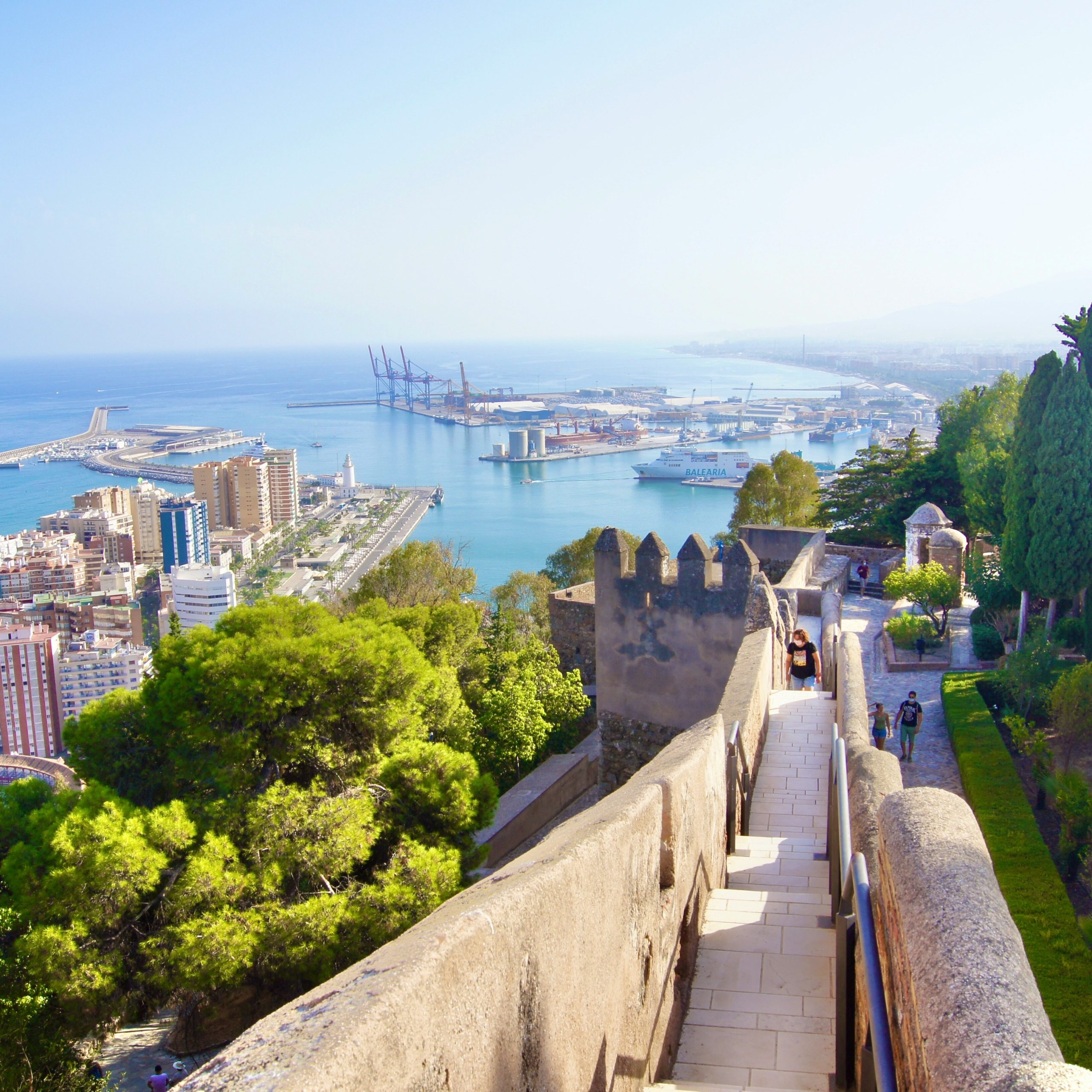
"A fortress above the harbour, and the first chapter of a story that will unfold over eight days"
Your journey opens in Málaga, the ancient Mediterranean port where Phoenicians traded three thousand years ago, where Romans built a theatre that still stands, and where the Hammudid dynasty raised a fortress that overlooks the sea to this day.
After arriving at Málaga-Costa del Sol Airport (AGP), you will be met by our team and taken to your hotel. Once settled, your guide will lead you on an introductory walk through Málaga's old town — past the Roman Theatre, up through the gardens to the Alcazaba, the 11th-century citadel whose double walls and fountained courtyards reveal the sophistication of Islamic military architecture. If energy permits, continue up to the Castillo de Gibralfaro for panoramic views over the city, the port, and the Mediterranean.
The evening is yours. Settle into the rhythm of southern Spain. Your guide will recommend the best places for dinner — and the story of Al-Andalus officially begins.
Did you know? The name "Málaga" comes from the Phoenician word Malaka, meaning "queen." The city has been continuously inhabited for nearly 3,000 years — one of the oldest cities in Europe.
Overnight in Málaga
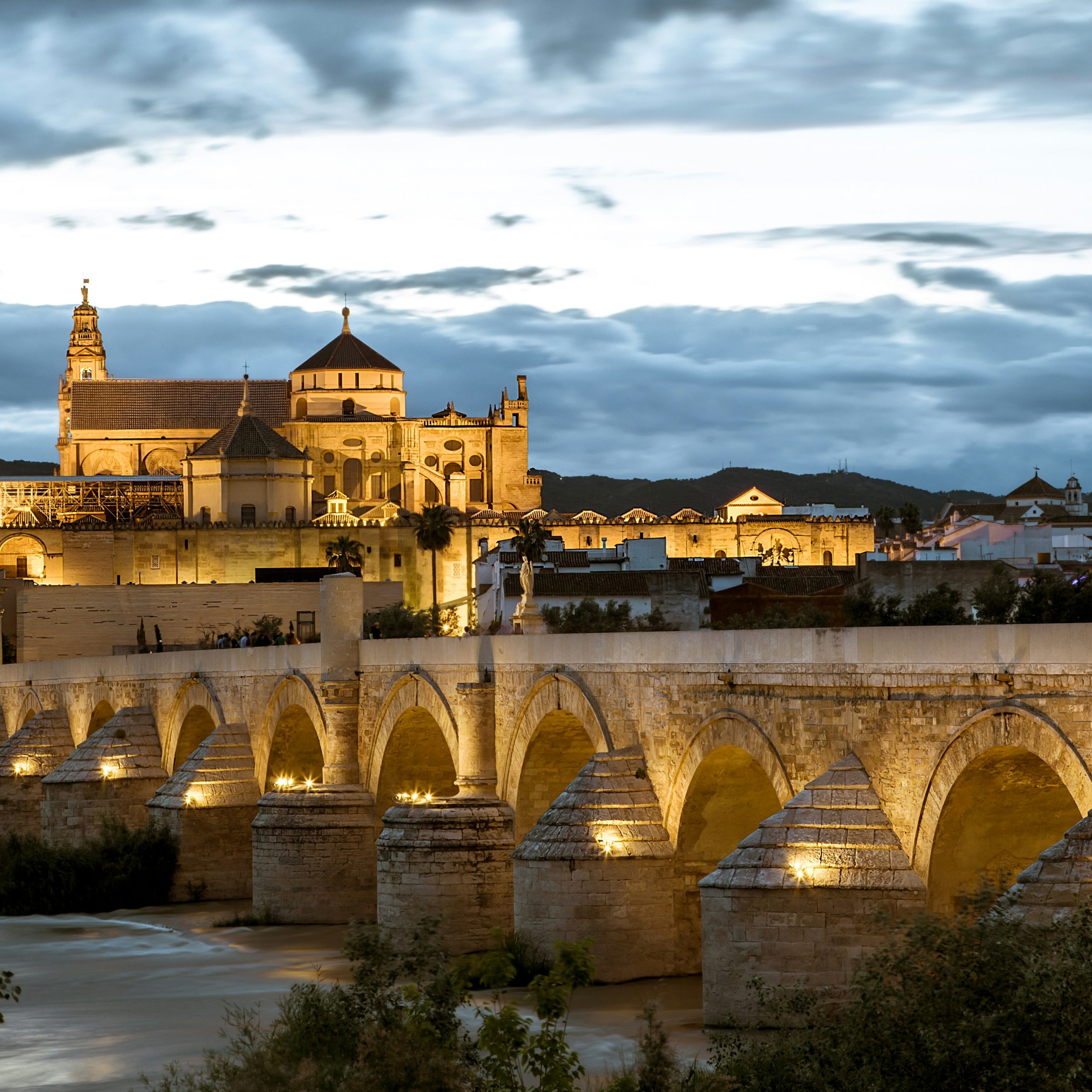
"Half a million people. Seventy libraries. Paved streets lit at night. This was Europe's greatest city — in the 10th century."
An early morning drive takes you through the olive groves of Andalusia to Córdoba (~2 hours). In the 10th century, this city was the largest and most advanced in Western Europe — a place where Muslim, Jewish, and Christian scholars worked side by side, and where the foundations of modern European thought were being quietly laid.
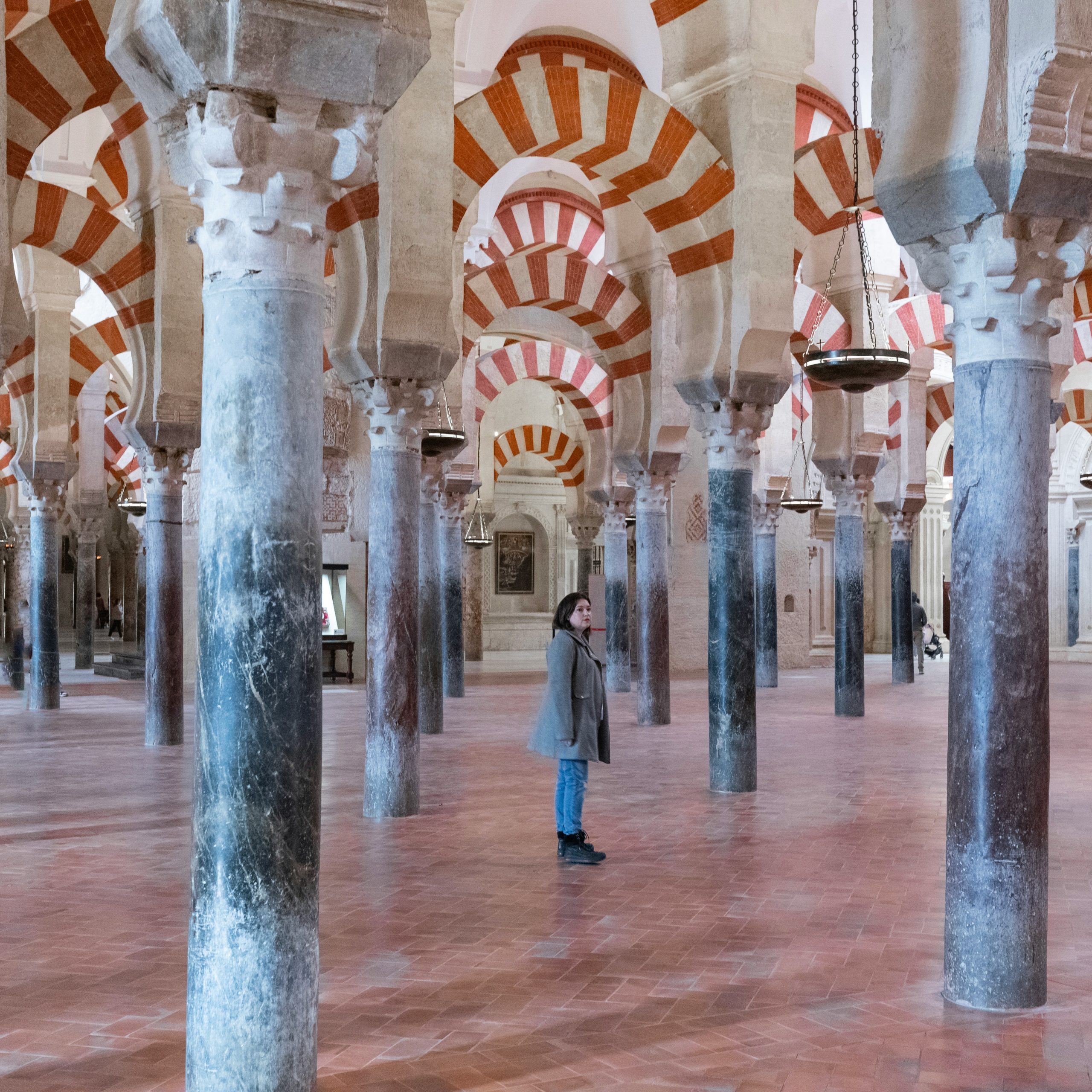
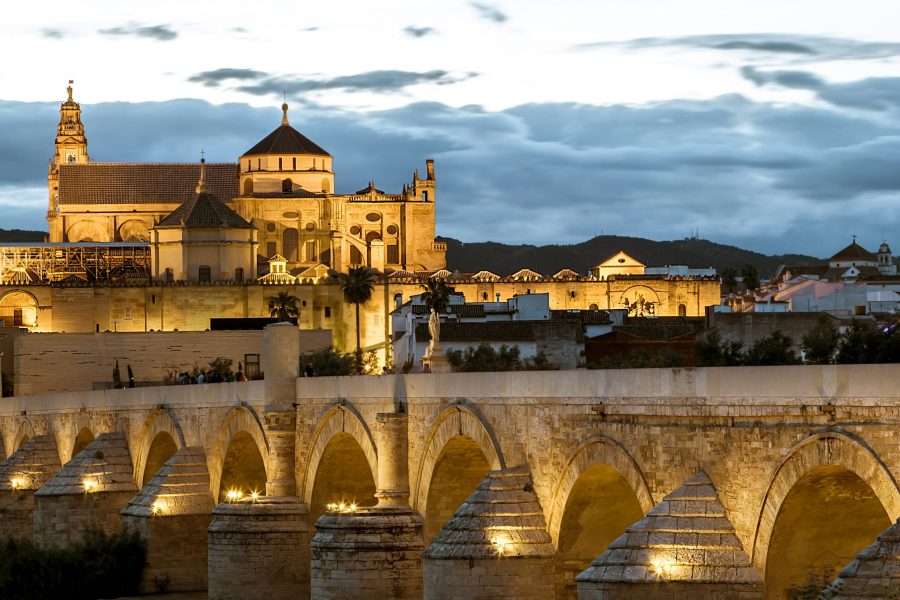
Morning: The centrepiece of Córdoba is the Mezquita-Catedral, the Great Mosque — one of the most extraordinary buildings in the history of architecture. Step inside and over 850 columns of jasper, onyx, marble, and granite rise around you, supporting a ceiling of red and white double arches that seem to multiply infinitely. Your guide will explain how Abd al-Rahman I, a young Umayyad prince who escaped the massacre of his family in Damascus, built this mosque as both a prayer hall and an act of memory — carrying the spirit of the Great Mosque of Damascus across the sea to a new land.
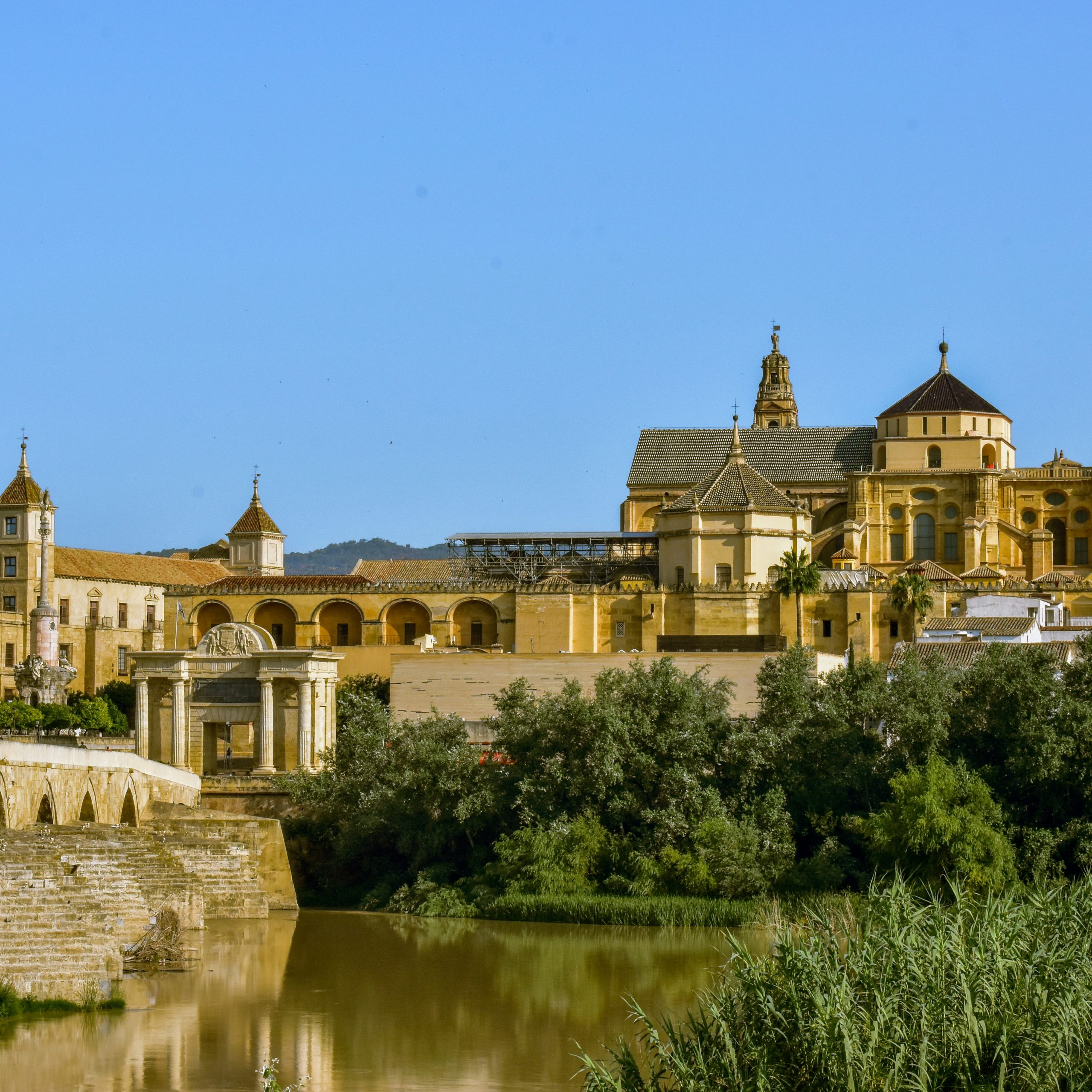
Cross the Puente Romano, one of the oldest bridges still standing in Europe, and visit the Torre de la Calahorra, now a museum dedicated to the three cultures of medieval Córdoba.
Afternoon: Explore the Jewish Quarter, where the philosopher Maimonides — born under Muslim rule — developed ideas that would shape both Jewish and Christian philosophy for centuries. Visit the Synagogue, one of only three medieval synagogues surviving in Spain. Walk through courtyards fragrant with jasmine and orange blossom, and hear the story of the great library of Al-Hakam II — 400,000 manuscripts, the largest collection in Europe, with women serving as scribes and translators.
Did you know? The system of street lighting in 10th-century Córdoba was not replicated in London until 700 years later. Córdoba also had running water in private homes — a luxury most European capitals would not enjoy for another half-millennium.
Overnight in Córdoba
"The palace-city that was built to rival Baghdad — and was lost beneath the earth for a thousand years"
Morning: This morning you journey to the outskirts of Córdoba to visit Medina Azahara (Madinat al-Zahra) — one of the most remarkable and haunting archaeological sites in Europe.
In 936, Caliph Abd al-Rahman III ordered the construction of a new palace-city, intended to be the administrative capital of the Caliphate of Córdoba and a statement of power to rival the Abbasid caliphs in Baghdad. Over 10,000 workers laboured for decades. The city featured audience halls with walls of gold and crystal, gardens with mechanical fountains, and a quicksilver pool that scattered sunlight across the ceilings like liquid stars.
Then, in 1010, during the fitna (civil war) that tore the Caliphate apart, Medina Azahara was sacked, burned, and systematically stripped. Over the centuries, the ruins disappeared beneath soil and vegetation. For nearly a thousand years, the greatest palace complex in Western Europe was simply… forgotten. It was not rediscovered until 1911, and excavation continues to this day. In 2018, UNESCO declared it a World Heritage Site.
Your guide will walk you through the excavated sections — the grand reception hall, the gardens, the residential quarters — and help you imagine this place as it once was: a city of marble, water, and light, designed to demonstrate that civilisation could be built at the edge of the known world.
Afternoon: Transfer to Seville (~1.5 hours). Check into your hotel and spend the late afternoon at leisure — perhaps wandering the banks of the Guadalquivir or sitting in one of the plazas of the old town, absorbing the energy of this extraordinary city before tomorrow's full exploration.
Did you know? When ambassadors from the Byzantine Empire visited Medina Azahara in the 10th century, they were reportedly so overwhelmed by its beauty that they fell to their knees. The caliph's throne room had a ceiling that rotated to follow the movement of the sun.
Overnight in Seville
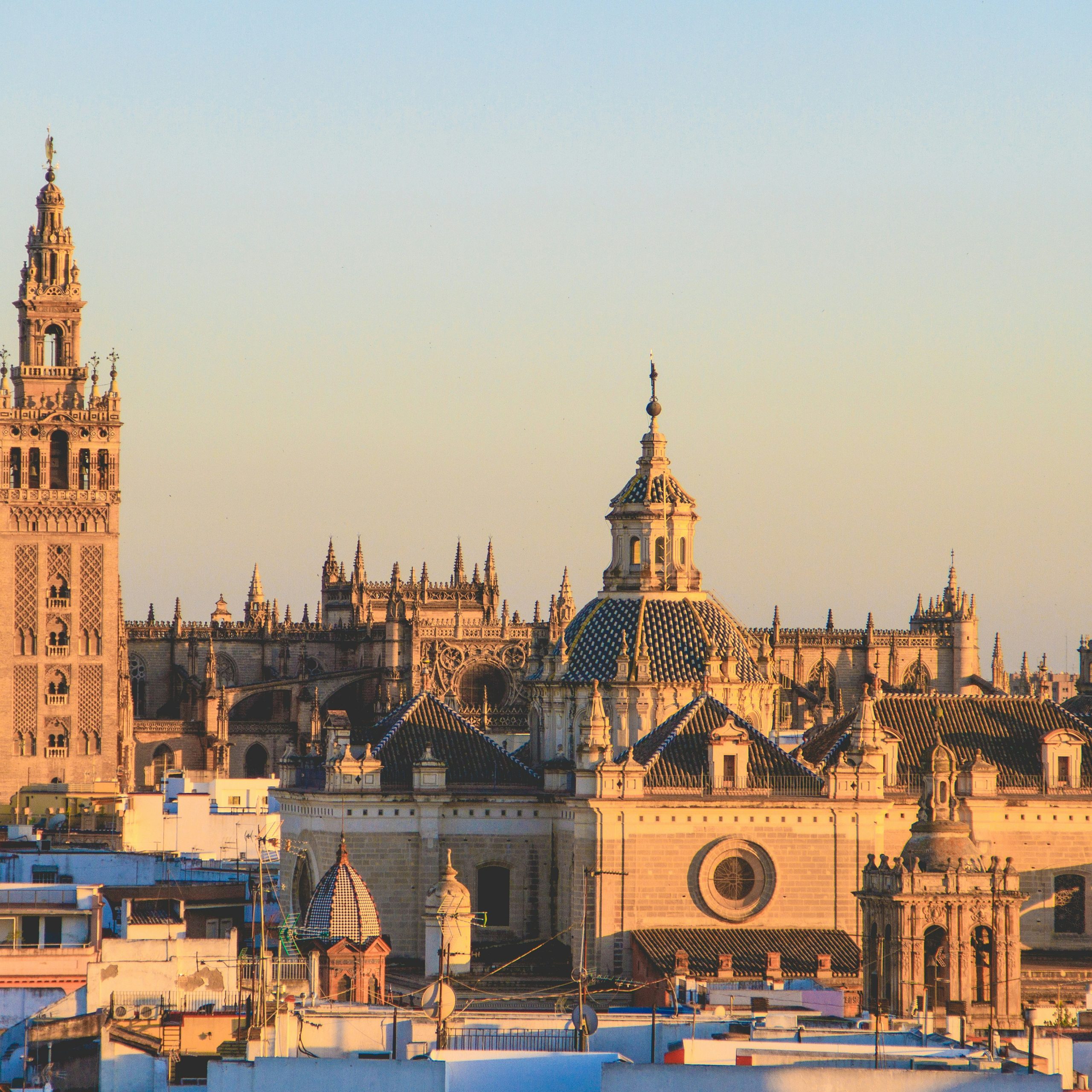
"Walk where caliphs prayed and poets recited verses under orange trees"
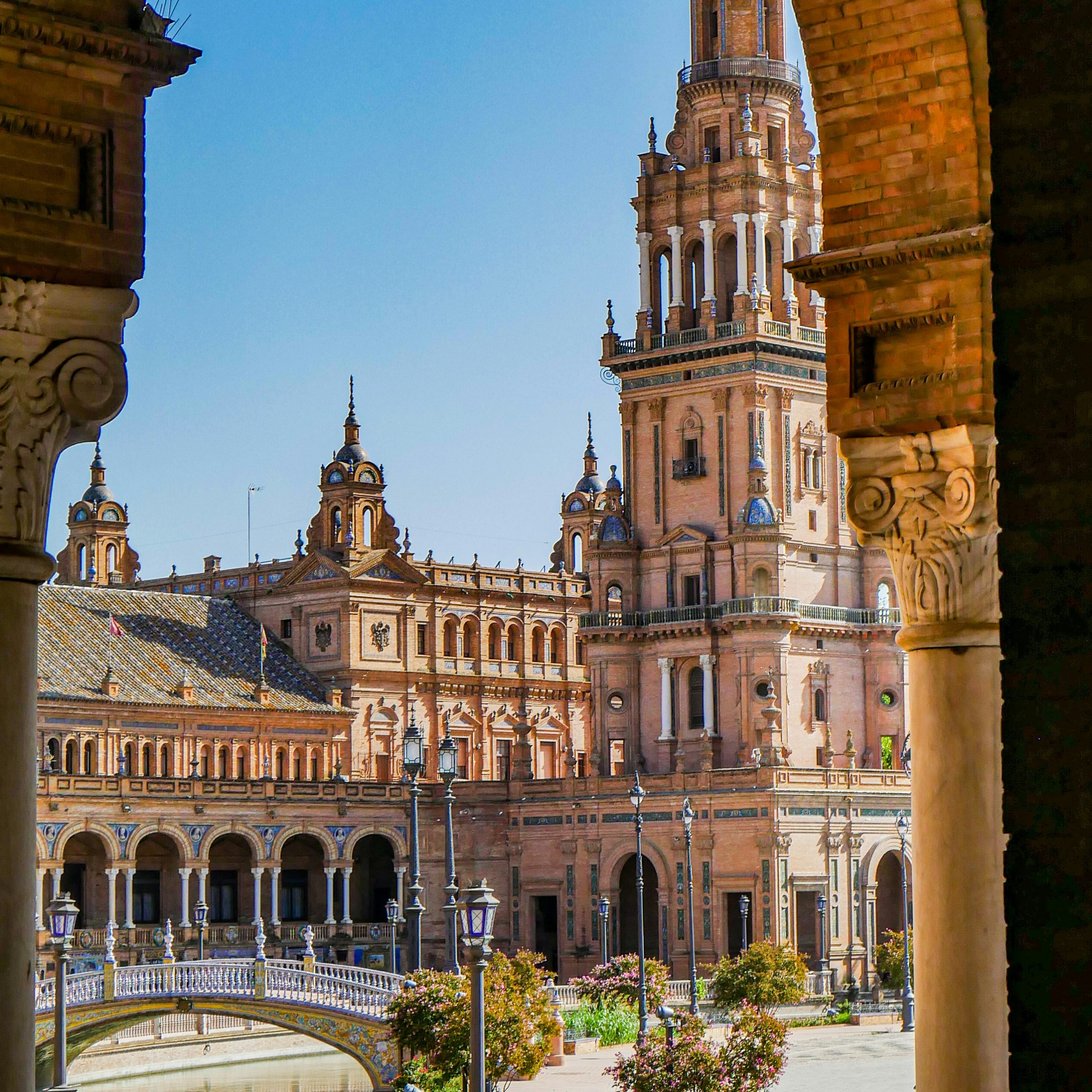
Seville was the crown jewel of the Almohad dynasty in the 12th century — a city of mosques, palaces, and a thriving intellectual and artistic life. Today, its Islamic heritage hides in plain sight, woven into the fabric of a city that has never stopped evolving.
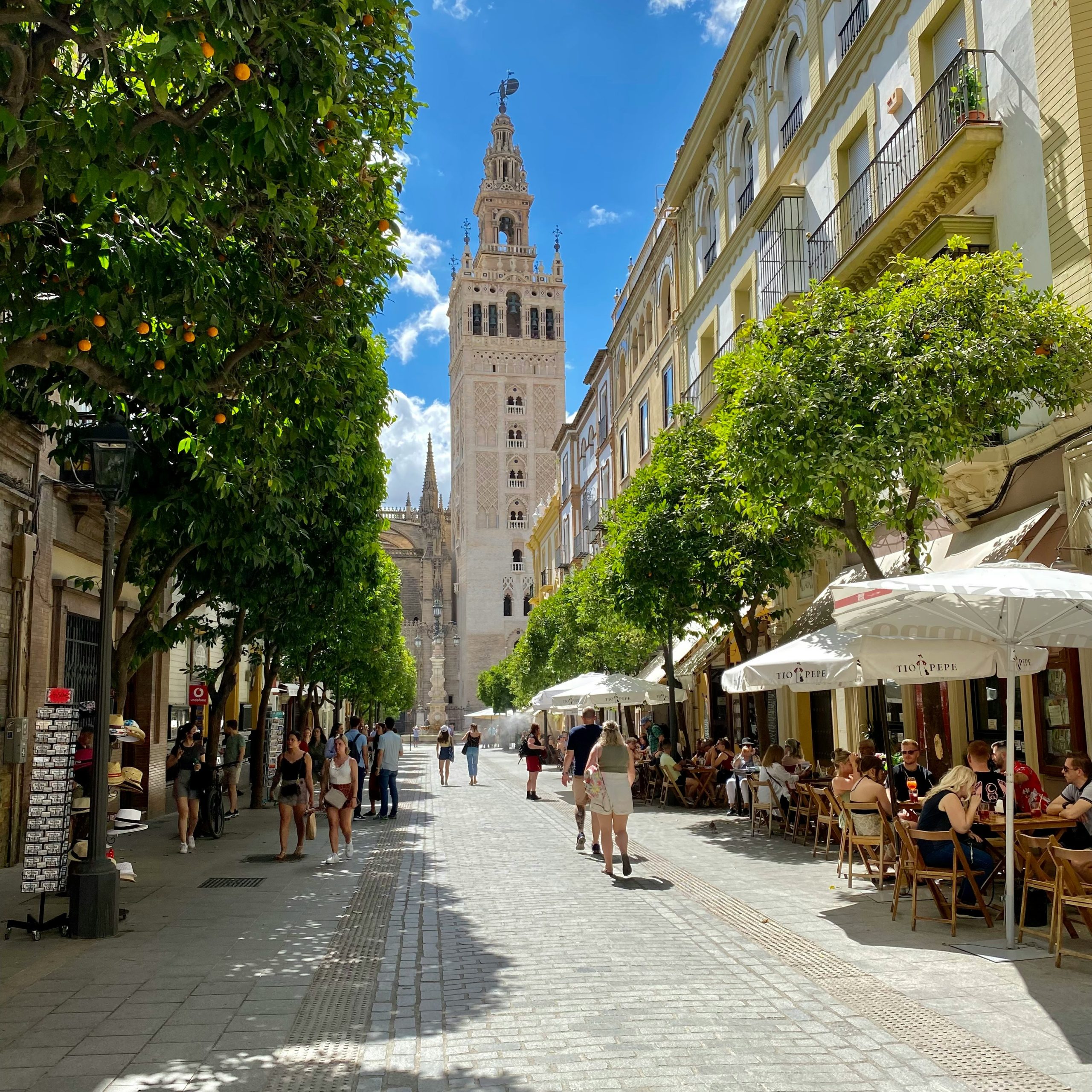
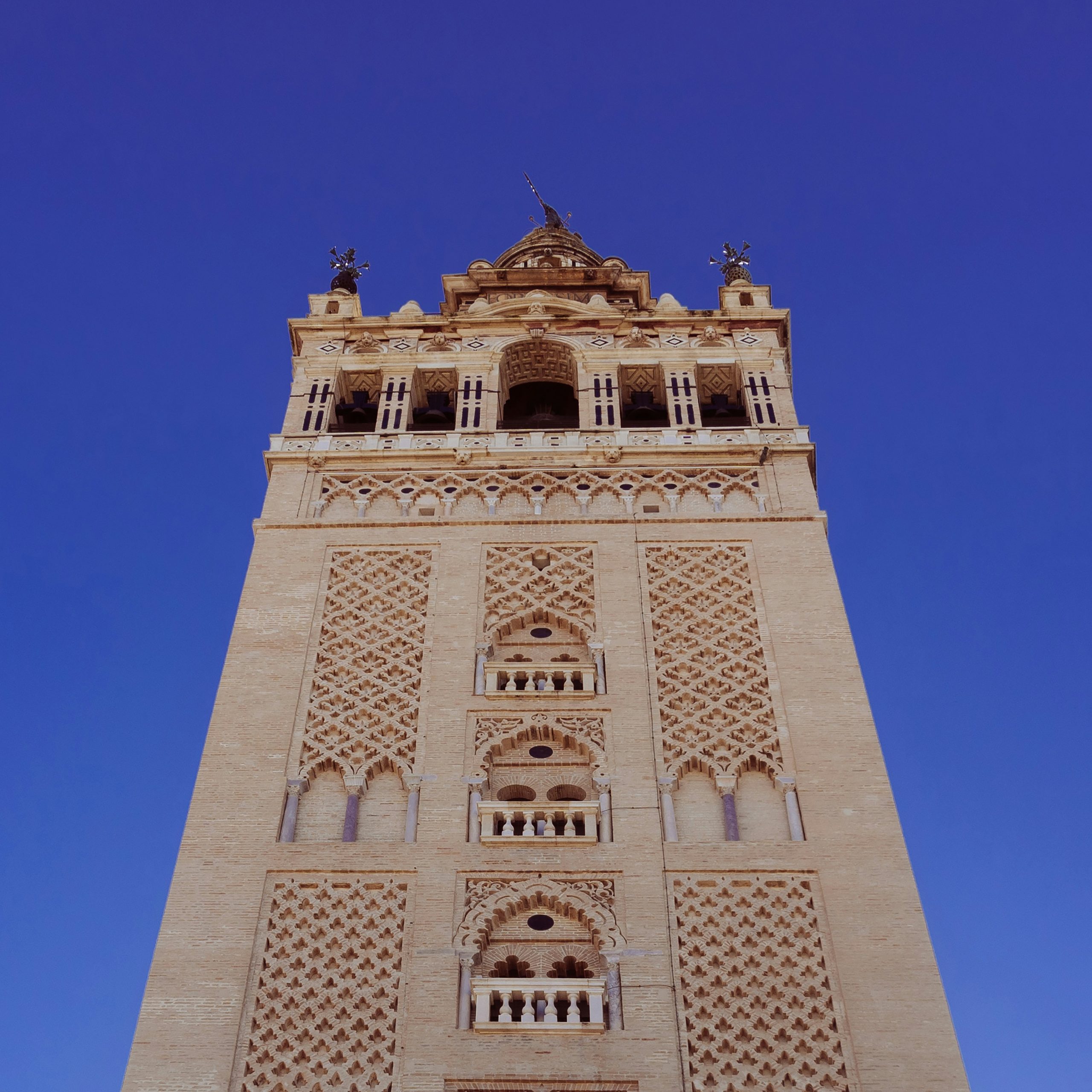
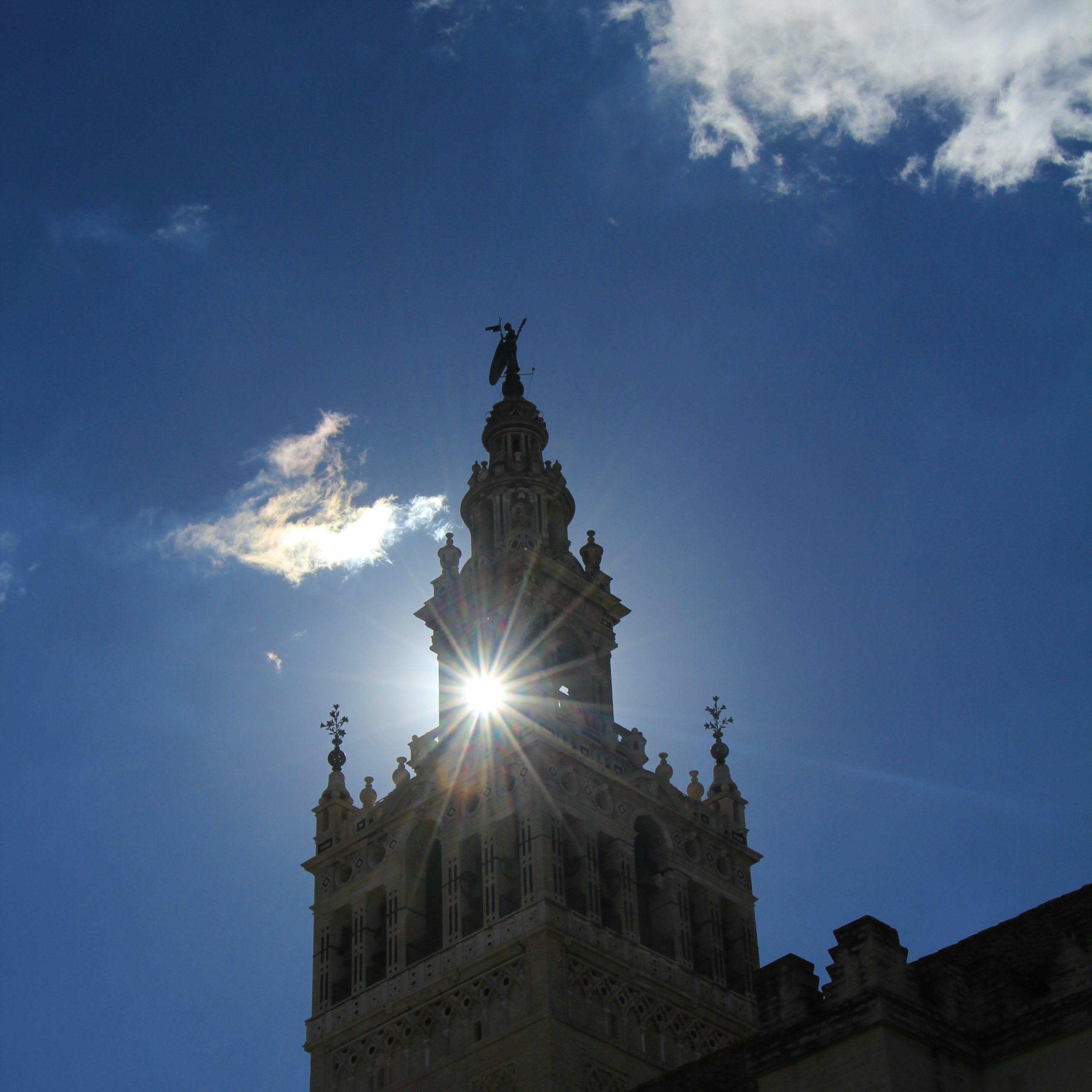
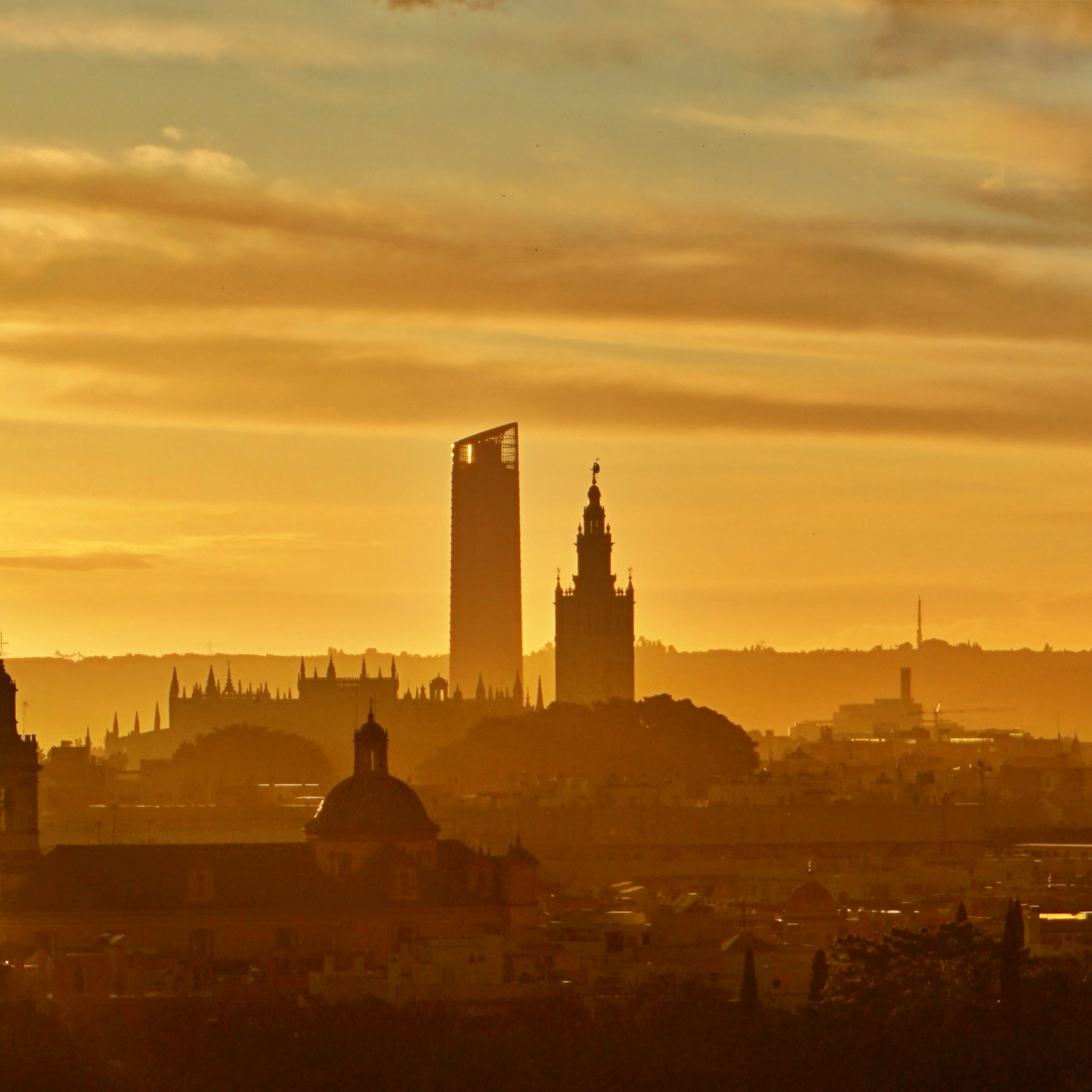
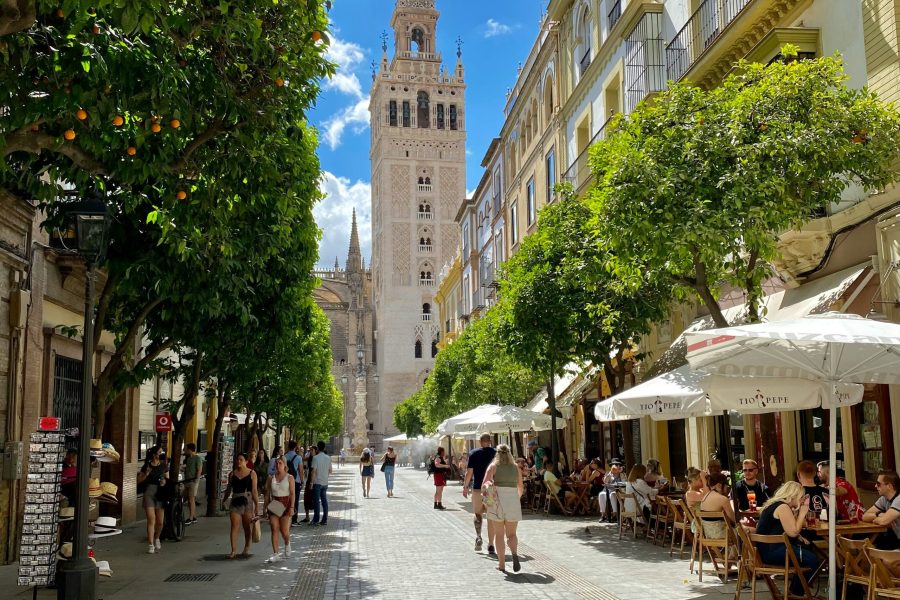
Morning: Begin at La Giralda and the Cathedral. Your guide will show you how the cathedral's courtyard, the Patio de los Naranjos, was once the ablution courtyard of the Great Almohad Mosque. Stand beneath the Giralda and learn how this 12th-century minaret was so perfectly proportioned that the Castilian conquerors preserved it, adding only a Renaissance bell tower on top. The ramp inside — designed so that the muezzin could ride a horse to the summit — is still there, and you will climb it.
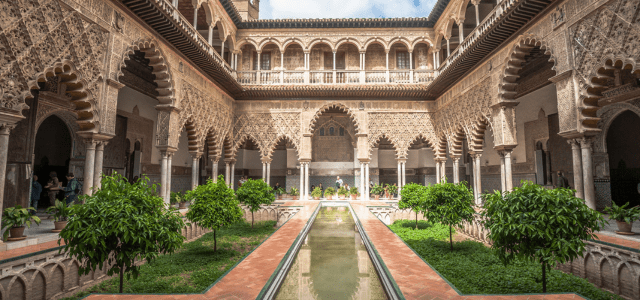
Continue to the Real Alcázar, one of the most stunning examples of Mudéjar architecture in the world. Built by Christian kings who so admired Islamic art that they hired Muslim craftsmen to create their palace, the Alcázar is living proof that beauty transcends borders. The gardens — designed with Islamic principles of water, symmetry, and shade — are among the most beautiful in Spain.
Afternoon: Visit the Torre del Oro, the golden watchtower built by the Almohads to protect the city's river port. Walk through Barrio Santa Cruz, the old Jewish quarter, where narrow lanes and hidden courtyards echo a time when three faiths coexisted. End the day at the Iglesia del Salvador, built directly on the foundations of the old Abbadid Mosque — one of the most fascinating architectural palimpsests in Spain. Your guide will show you the column bases and the minaret base still visible within the church structure.
Did you know? The orange trees that line the streets of Seville were first planted by the Almohads. The bitter Seville orange — the one used in British marmalade — is a direct legacy of Al-Andalus.
Overnight in Seville
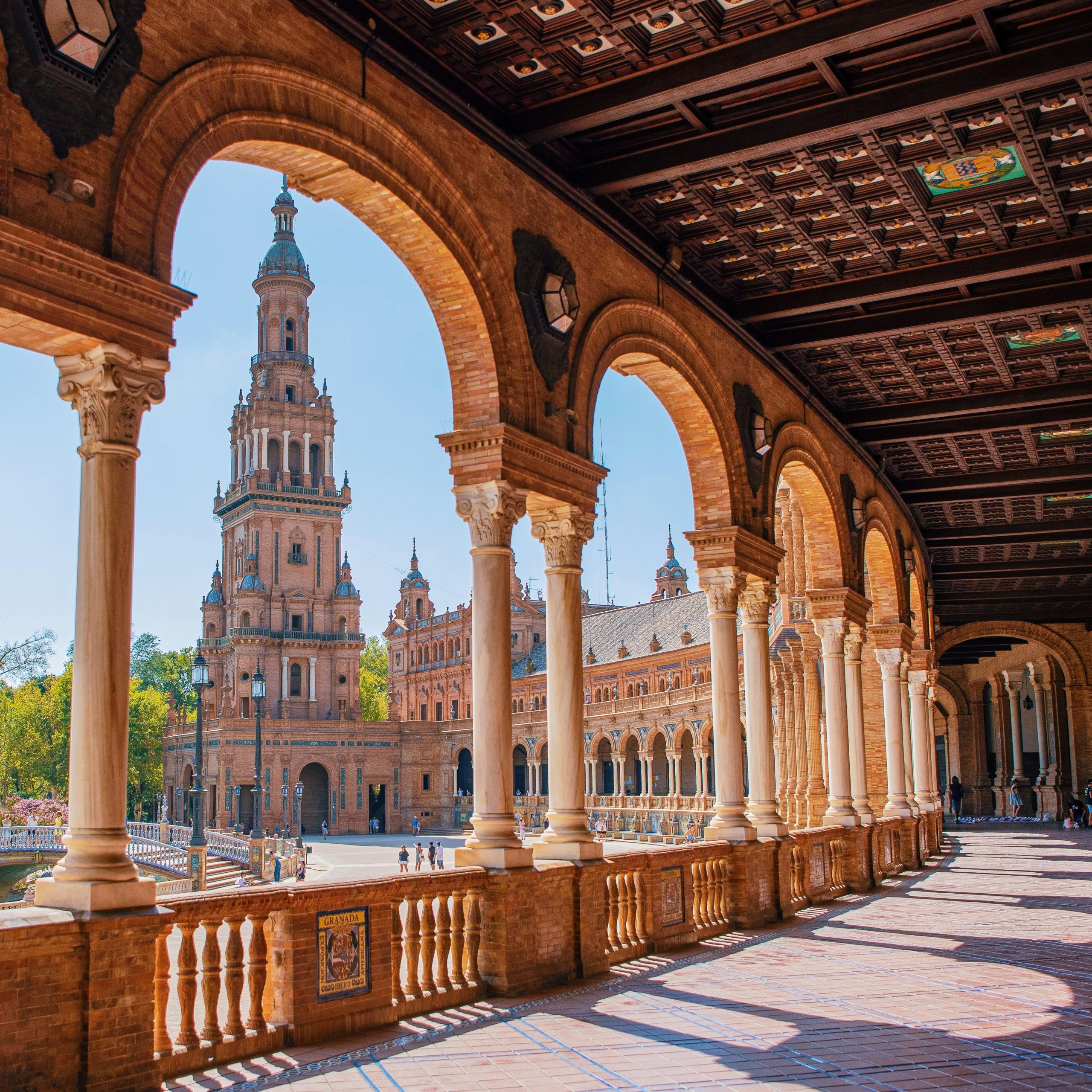
"Before the Moors, before the Visigoths — Rome was here. And Al-Andalus inherited everything."
A second day in Seville allows you to explore what most visitors never see — the layers beneath the layers.
Morning: Drive to Itálica, the Roman city just outside Seville (~20 minutes). Founded in 206 BC, Itálica was the birthplace of two Roman emperors — Hadrian and Trajan — and one of the most important cities in the Roman province of Hispania. Walk through its remarkably preserved amphitheatre (capacity: 25,000), its mosaic-floored villas, and its wide, colonnaded streets.
Why does this matter for an Al-Andalus tour? Because Al-Andalus did not emerge from a void. The Muslim scholars who arrived in 711 inherited Roman roads, Roman aqueducts, Roman urban planning, and — crucially — Roman libraries. The great translation movement that made Córdoba the intellectual capital of Europe was built on the foundation of classical knowledge that Rome had planted here centuries earlier. Standing in Itálica, you begin to see Al-Andalus not as an isolated phenomenon, but as the inheritor and transmitter of the ancient world's greatest achievements.
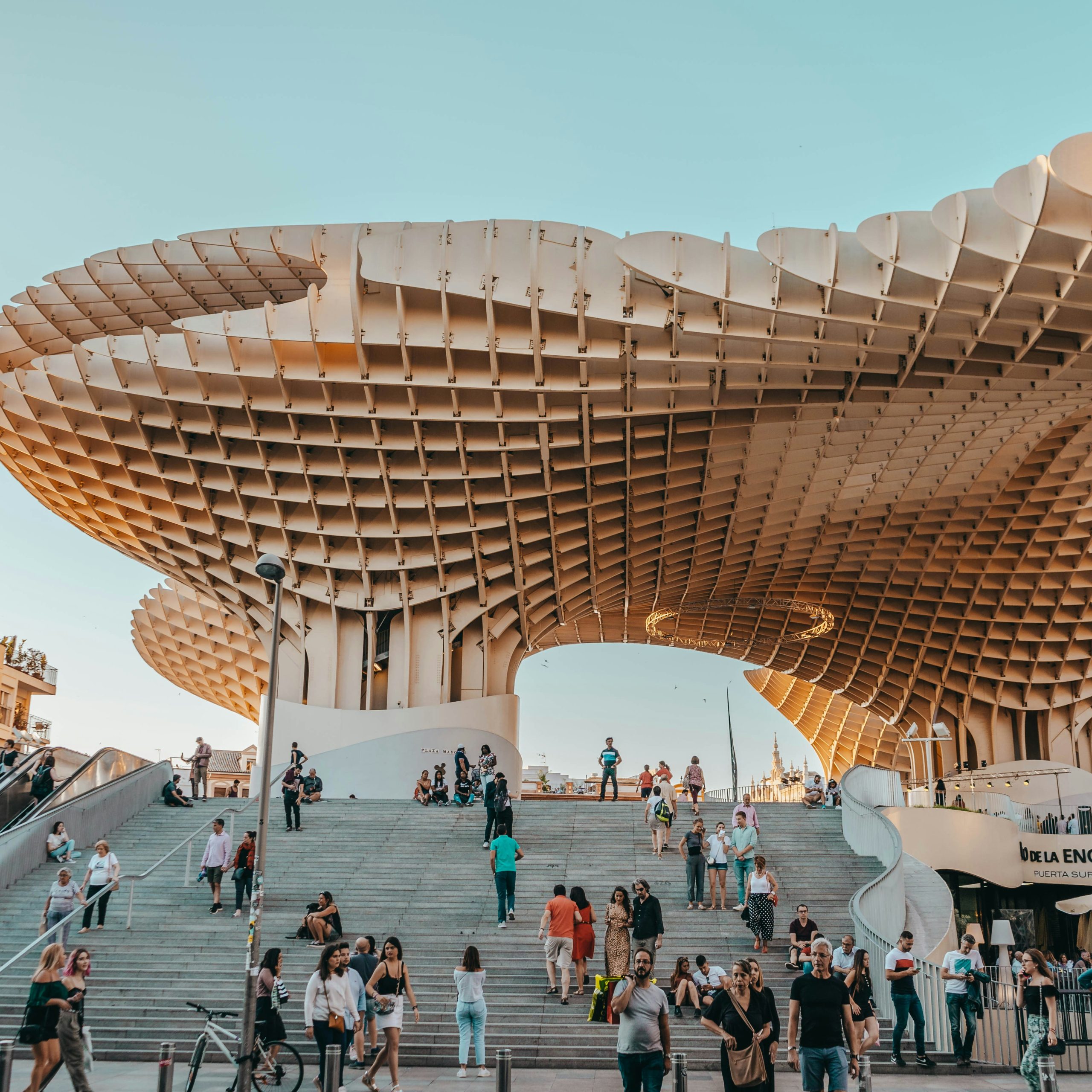
Afternoon: Return to Seville and visit La Buhaira, the remains of the Almohad royal pleasure gardens — once a vast estate with pavilions, reflecting pools, and orchards. Then continue to Las Setas (Metropol Parasol), the modern structure that houses the Antiquarium in its basement — Roman ruins discovered during construction, a perfect symbol of Seville's layered history.
End your day with a visit to the Madrasah Al-Andalusia, a functioning Islamic educational institution that connects the scholarly tradition of Al-Andalus with the present.
The evening is free. Your guide will suggest the best spots for dinner — and this is an excellent night for the optional hammam experience (Silver and Gold packages).
Did you know? The amphitheatre at Itálica was one of the largest in the Roman Empire — and scenes from Game of Thrones were filmed among its ruins, bringing millions of new visitors to a site that had waited 2,000 years to be famous again.
Overnight in Seville
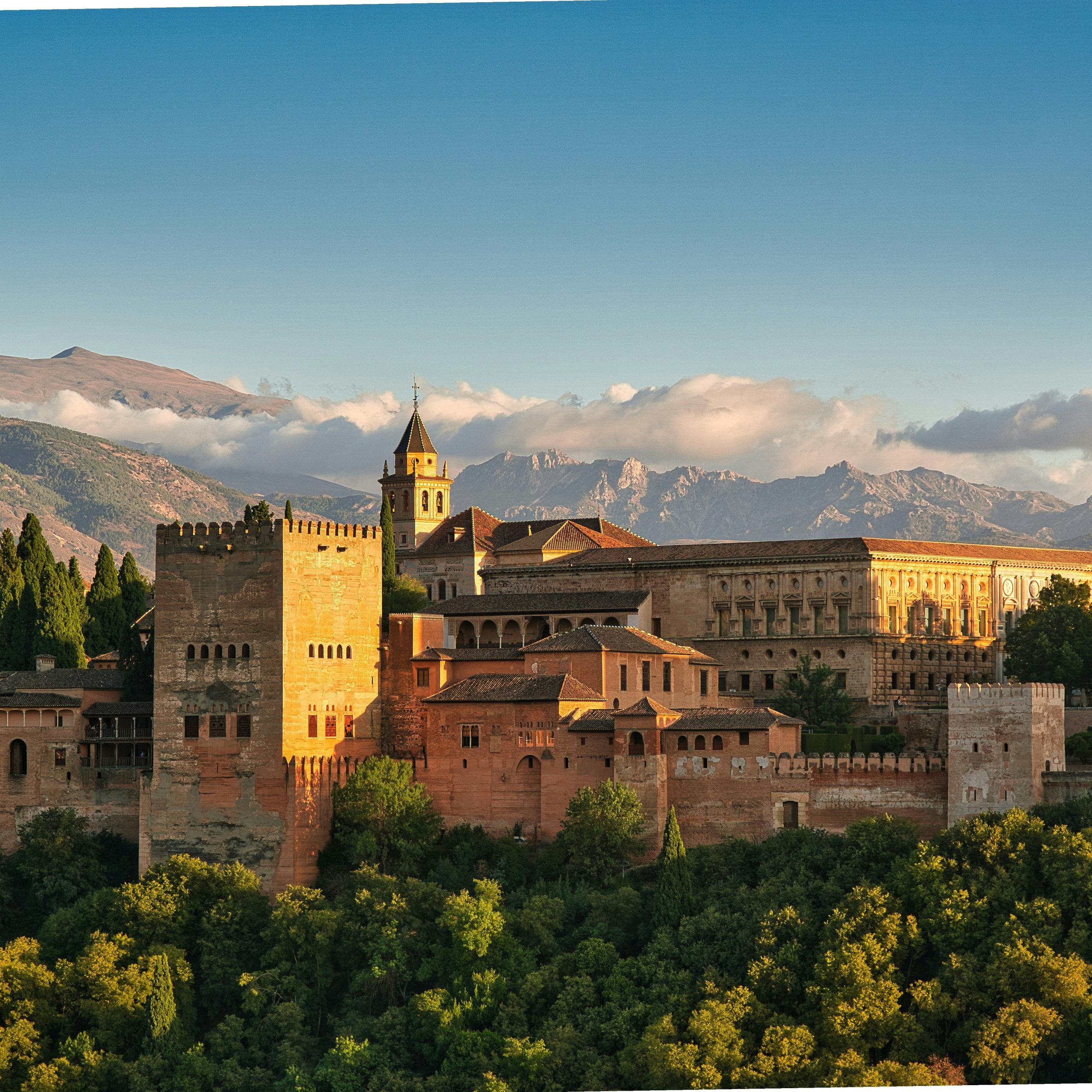
"Where the earth itself splits open — and an ancient medina clings to the edge"
Today you leave Seville and drive south-east into the Andalusian highlands, through rolling hills covered with olive groves and white villages, to Ronda — one of the most dramatically situated cities in all of Europe.
Morning: The drive from Seville to Ronda (~1.5 hours) is itself an experience — passing through the countryside that inspired poets during the Taifa period, when small Muslim kingdoms competed not just in war, but in art, literature, and the beauty of their courts.
Arrive in Ronda and stand at the edge of the Tajo, the gorge that splits the city in two — a 120-metre chasm carved by the Guadalevín River over millions of years. The Puente Nuevo (New Bridge), completed in 1793, spans the gap in a feat of engineering that still takes the breath away. But look deeper: the old town on the far side — La Ciudad — is the Islamic heart of Ronda, where the layout of the streets, the position of the gates, and the logic of the fortifications all follow the principles of Islamic urban design.
Visit the Arab Baths, among the best-preserved in the Iberian Peninsula, with their star-shaped skylights designed to filter light in patterns that echo the heavens. Walk through the old medina, past the Minaret of San Sebastián (a former mosque tower), and through the gates of the Islamic walls.
Afternoon: After lunch in Ronda's old town — with views that seem to stretch to Africa on a clear day — begin the scenic drive toward Granada (~2.5 hours). As the landscape shifts from highlands to the fertile plains of the Vega de Granada, your guide will prepare you for what lies ahead: the final kingdom, the last stand, and the most beautiful palace ever built.
Did you know? The Arab Baths of Ronda date from the 13th century and are remarkably intact. The water system that fed them — channelling river water up through the gorge via a noria (water wheel) — was an engineering marvel that still impresses hydraulic engineers today.
Overnight in Granada
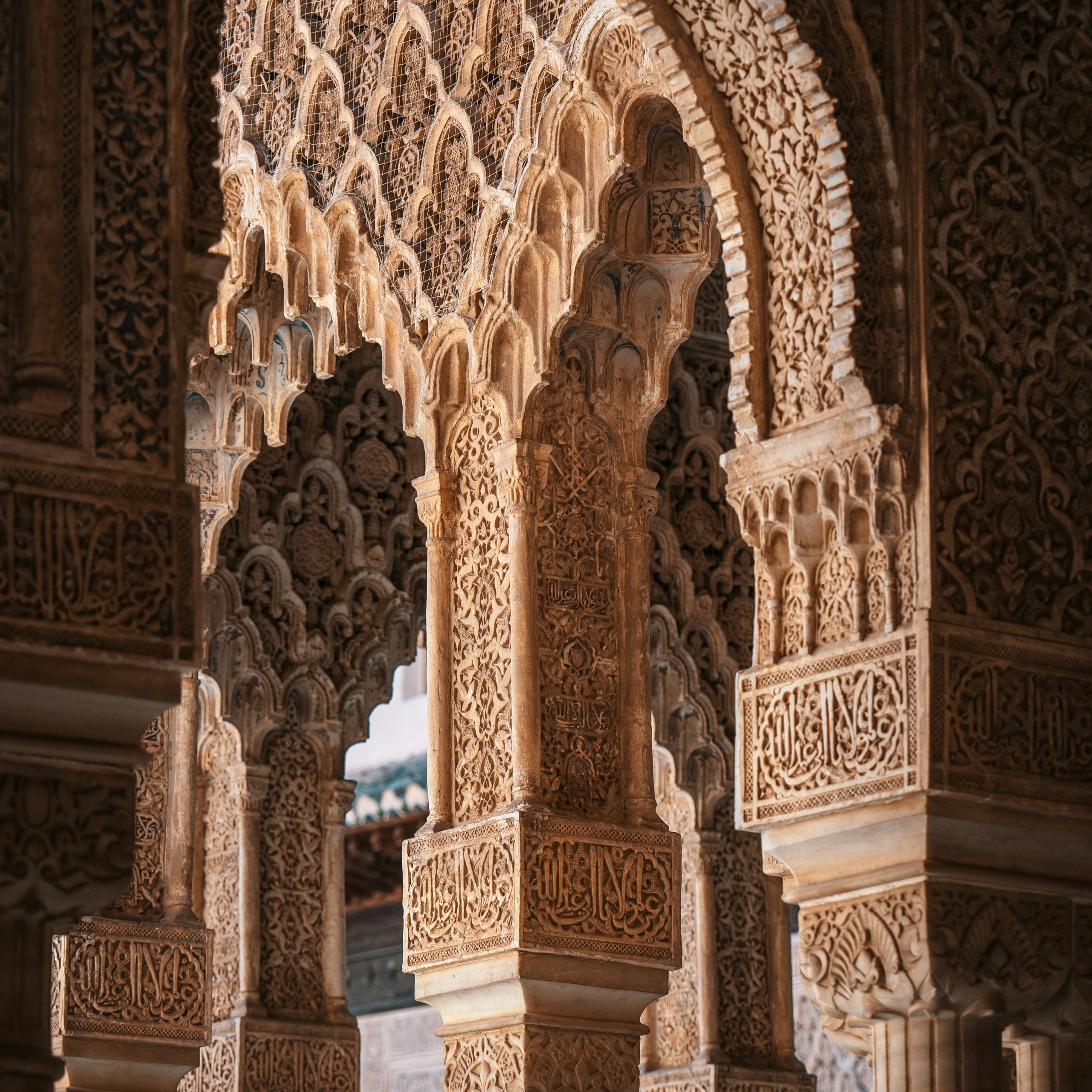
"Stand inside the poem that the Nasrids wrote in stone, water, and light"
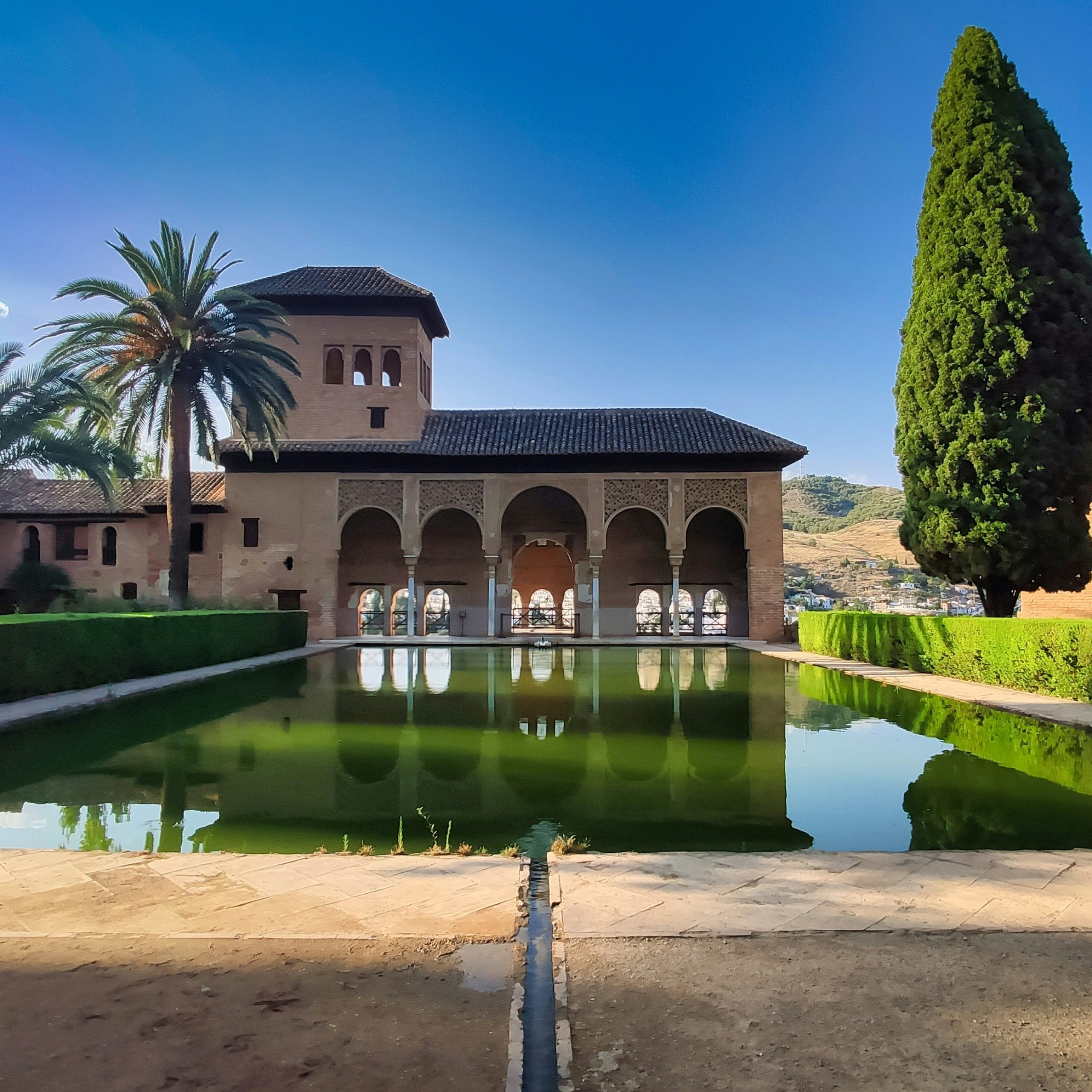
Today you enter the heart of the Alhambra — the palace that the Nasrid dynasty built as a meditation on paradise itself. And with a full day in Granada, you have the luxury of experiencing it without rushing.
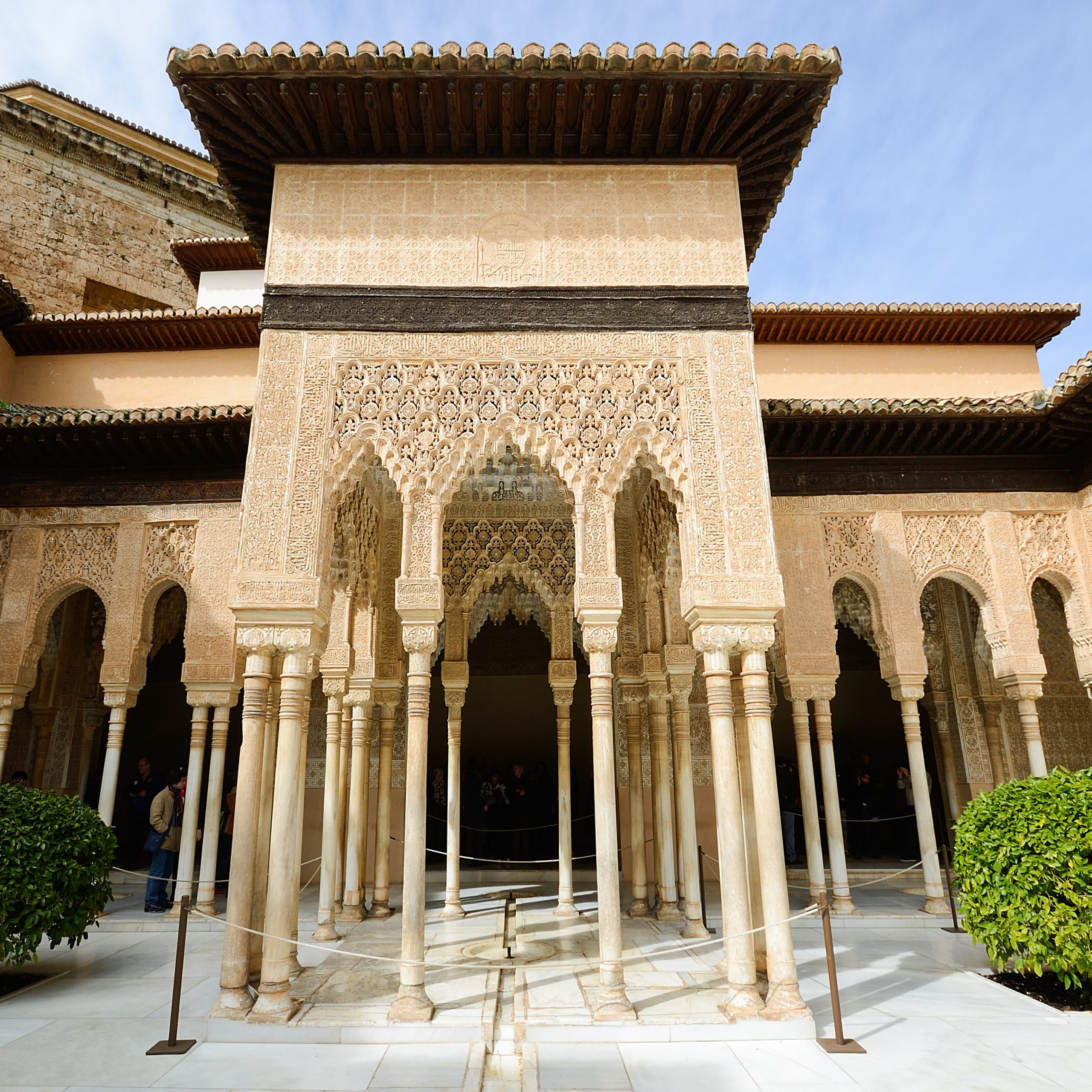
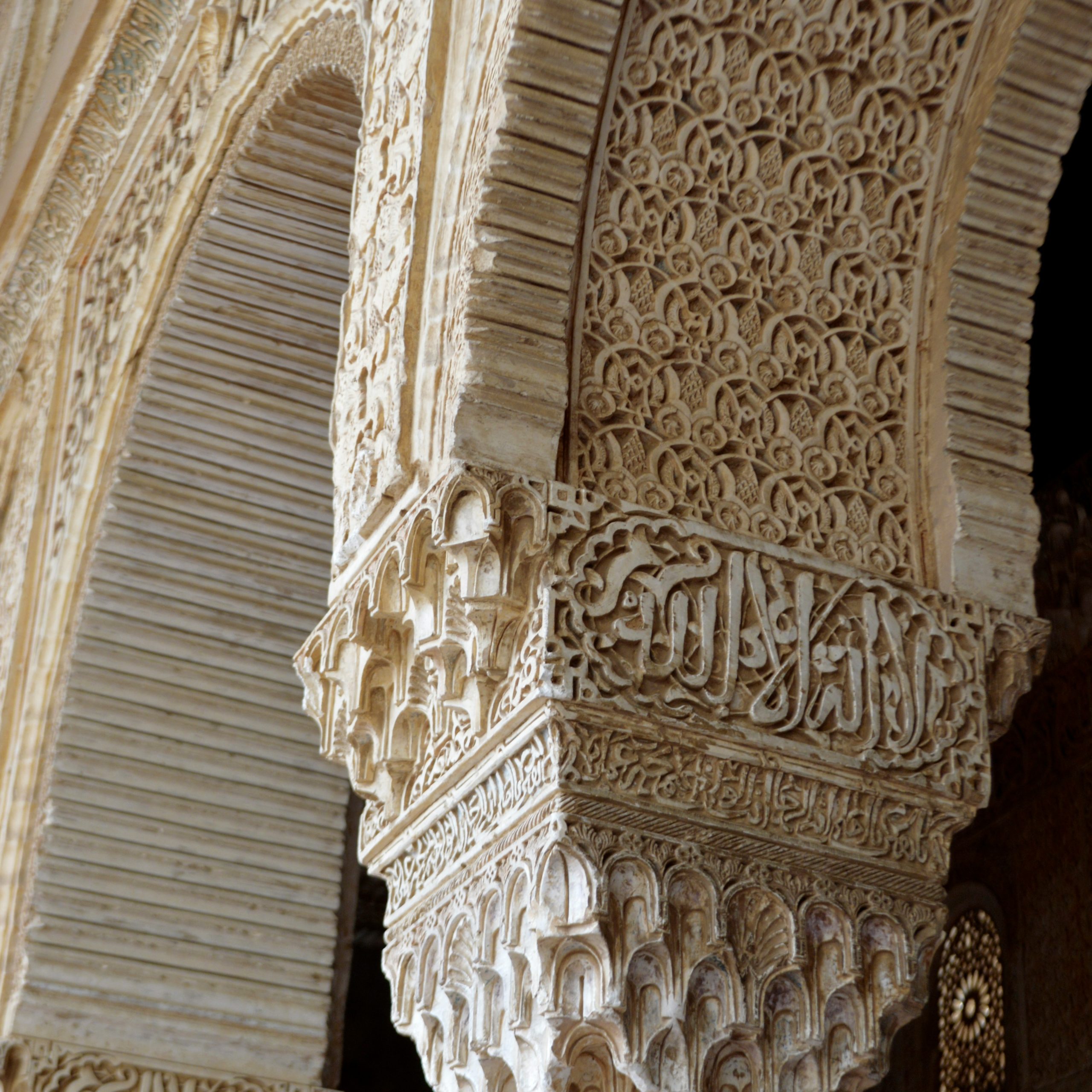
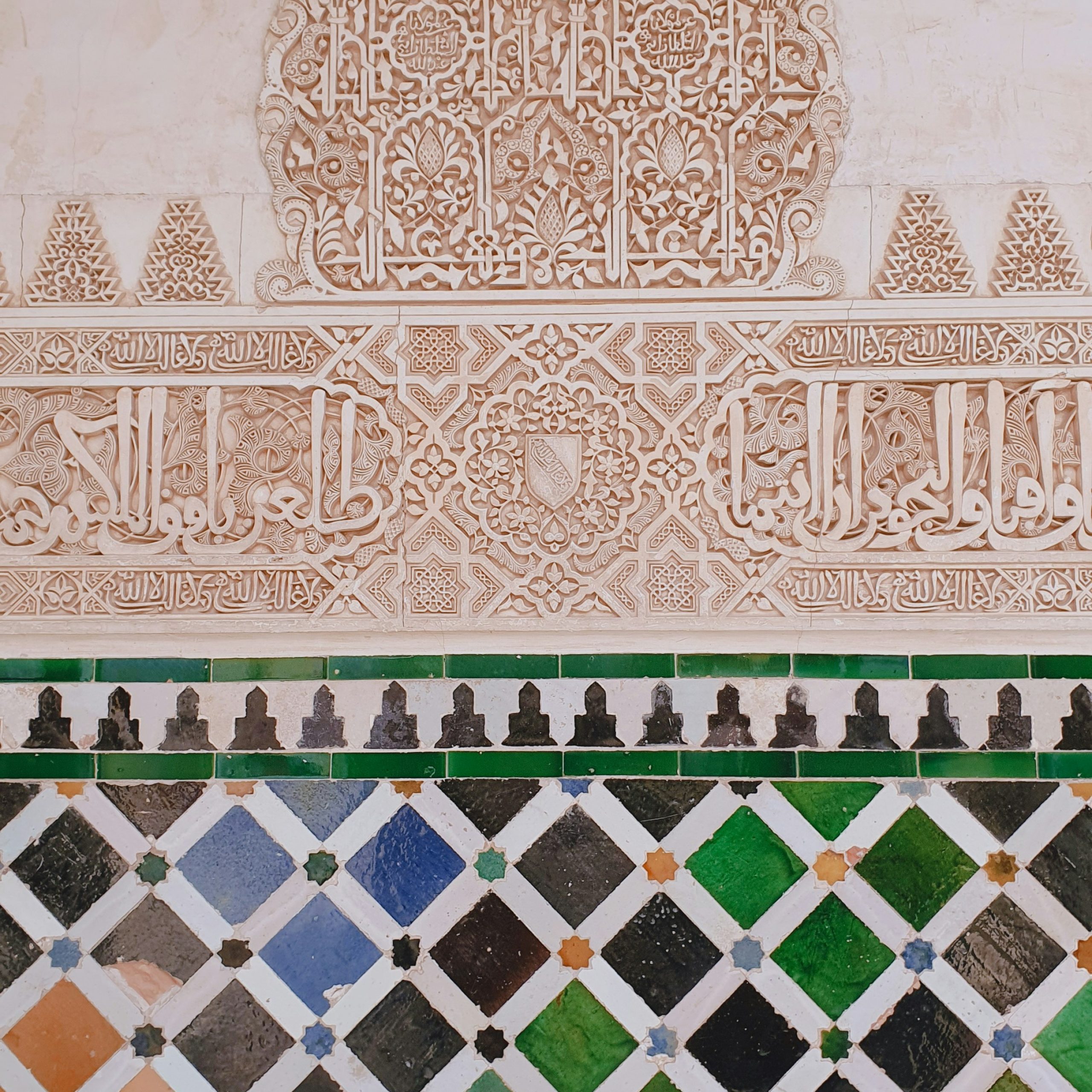
Morning: The entire morning is dedicated to the Alhambra and the Generalife. Your guide will walk you through the Nasrid Palaces, explaining how every surface — every carved stucco panel, every tile mosaic, every muqarnas vault — is not mere decoration, but language. The walls of the Alhambra are covered in Arabic poetry and Qur'anic verses, transforming the palace into a three-dimensional text that speaks of paradise, divine beauty, and the impermanence of earthly power.
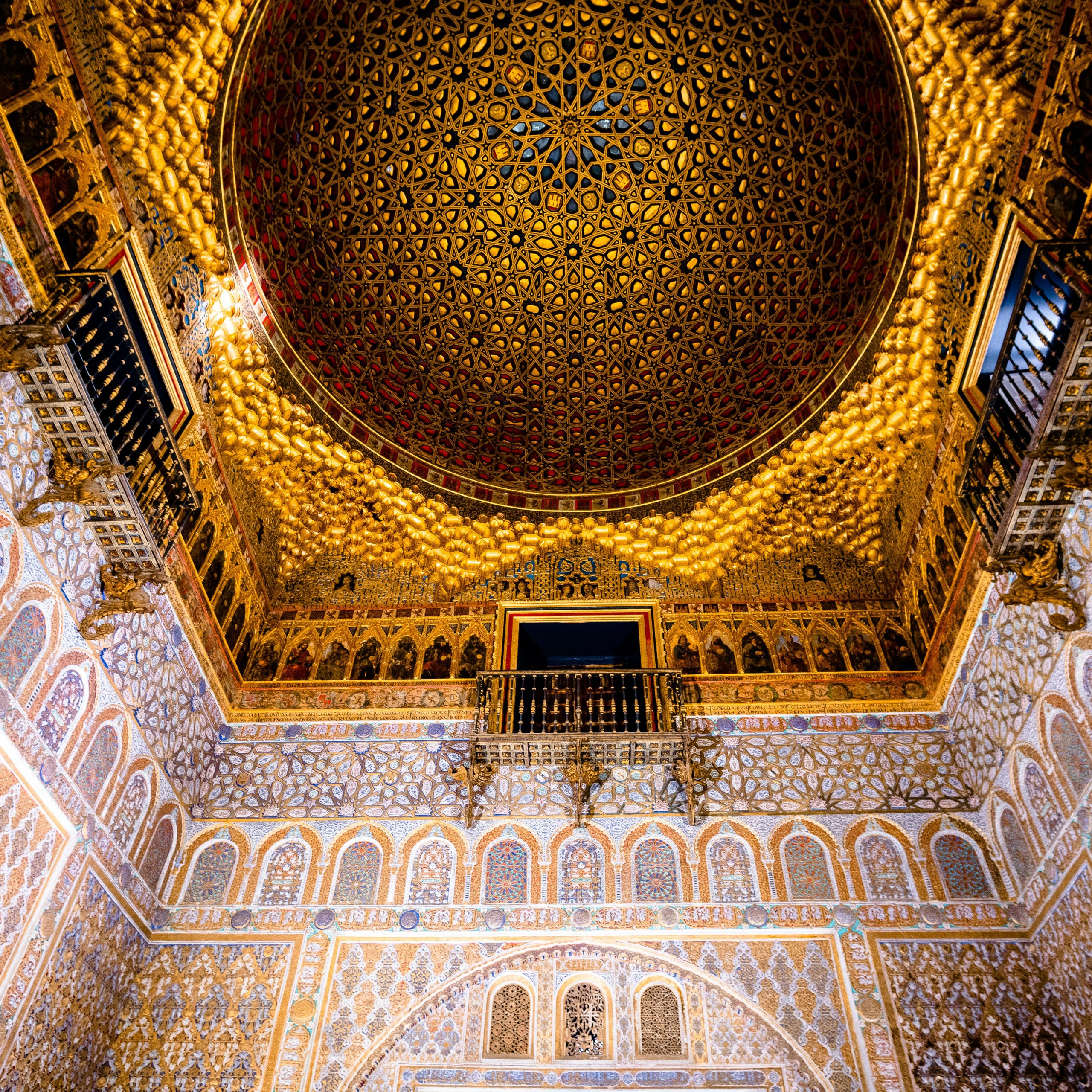
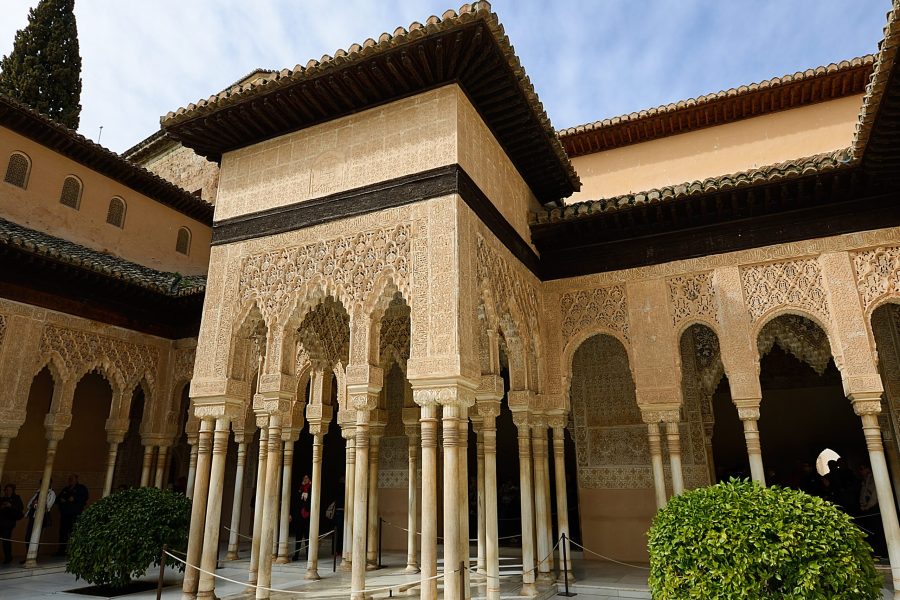
You will stand in the Court of the Lions and learn how its twelve marble lions represent not just art, but a sophisticated hydraulic clock. You will see the Hall of the Ambassadors, where the ceiling's 8,017 pieces of inlaid wood represent the seven heavens of Islamic cosmology. And in the Generalife gardens, you will understand how Islamic landscape design used water not merely for irrigation, but as architecture itself.
Afternoon: Descend into the Albaicín, Granada's old Moorish quarter and a UNESCO World Heritage Site. Walk through narrow streets that have barely changed in 500 years. Visit the Mezquita Mayor de Granada, where the call to prayer has returned to the Albaicín after five centuries of silence.
Explore the Alcaicería, the old silk market, and the Madrasa of Yusuf I, the Islamic university founded in 1349. Then visit the Hammam (included in Silver and Gold packages) — a traditional Arab bath experience in the shadow of the Alhambra.
End the day at a mirador overlooking the Alhambra at sunset. As the palace turns from white to gold to amber against the Sierra Nevada, you will understand why the Nasrid poets wrote that Granada was "a piece of the sky that fell to earth."
Did you know? The famous inscription repeated throughout the Alhambra — "Wa la ghalib illa Allah" (There is no victor but God) — was the motto of the Nasrid dynasty, a constant reminder of humility inscribed at the very height of artistic achievement.
Overnight in Granada
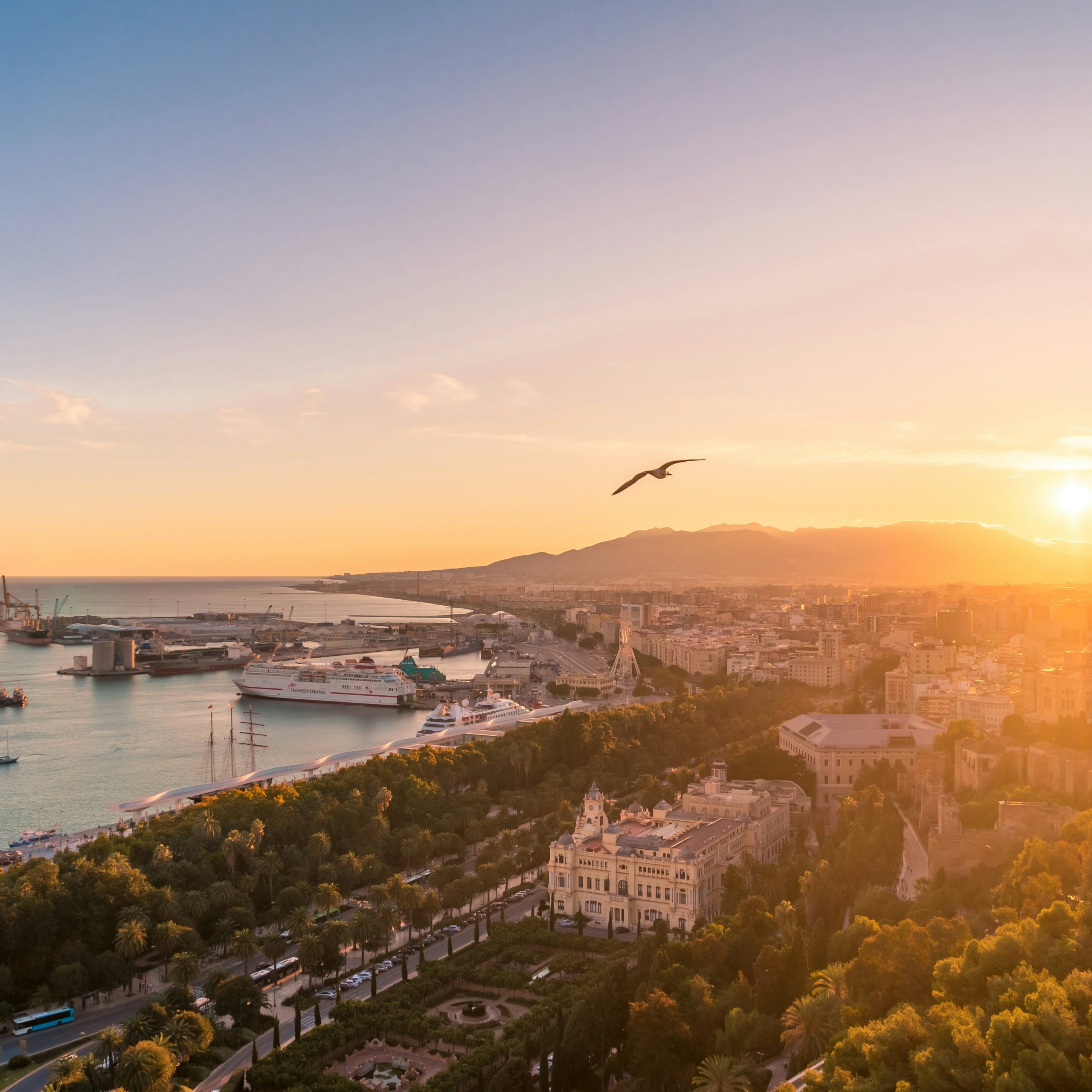
"The mountain villages where Al-Andalus refused to disappear"
Your final day takes you south of Granada, into the Alpujarras — a region of stunning natural beauty and deep historical significance.
Morning: Drive into the foothills of the Sierra Nevada, passing through white-washed villages that cling to the mountainsides like clusters of sugar cubes. These villages — Pampaneira, Bubión, Capileira — were the last refuge of the Moriscos, the Muslim population that remained in Spain after the fall of Granada in 1492.
Walk through the narrow streets and notice the architecture: flat roofs (terraos), chimneys shaped like those in North Africa, and irrigation channels (acequias) that still follow the systems designed by Muslim engineers centuries ago. The Alpujarras are living proof that Al-Andalus did not simply vanish — it retreated to the mountains and embedded itself into the landscape.
Afternoon: After a traditional lunch in one of the villages, begin the scenic drive south to Málaga (approximately 2 hours). Depending on your flight schedule, there may be time for a brief stop in the city — a final walk along the port, a last glimpse of the Alcazaba, or a moment of quiet reflection on the eight days that have just passed.
Transfer to Málaga-Costa del Sol Airport (AGP) for your departure.
Did you know? The acequia irrigation system still used in the Alpujarras today follows the original design laid out by Muslim engineers over 1,000 years ago. UNESCO has recognised it as one of the most important examples of historical water management in Europe.
The 8-day tour covers everything in the Express, plus: a full day exploring Málaga, a morning at Medina Azahara (the lost palace-city of the Caliphs), a day at Itálica (Roman ruins), a day in Ronda (the mountaintop city), and significantly more time in Seville and Granada. If the Express is the highlights reel, this is the full documentary.
Absolutely. While we highlight the Islamic heritage of Al-Andalus, our tours are designed to be enriching for everyone — historians, culture lovers, architecture enthusiasts, and anyone curious about one of the most remarkable civilisations in history.
Yes. You can join a scheduled group departure or arrange a private tour for individuals, couples, or families.
Yes. We ensure halal dining options at every stop and make arrangements in advance.
Yes. Unlike many 8-day tours that pack in 12-hour days, we have built in free time, later starts where possible, and a rhythm that allows you to absorb what you are experiencing. This is immersion, not a marathon.
We can arrange alternative transfers from Madrid (MAD), Seville (SVQ), or other airports.
We recommend 8–12 weeks in advance, particularly for spring and autumn dates.
Please refer to our Terms & Conditions page for full details.

Member Since 2026