
2-3 Days Relax
Specific Tour
Unlimited
English, Espanol
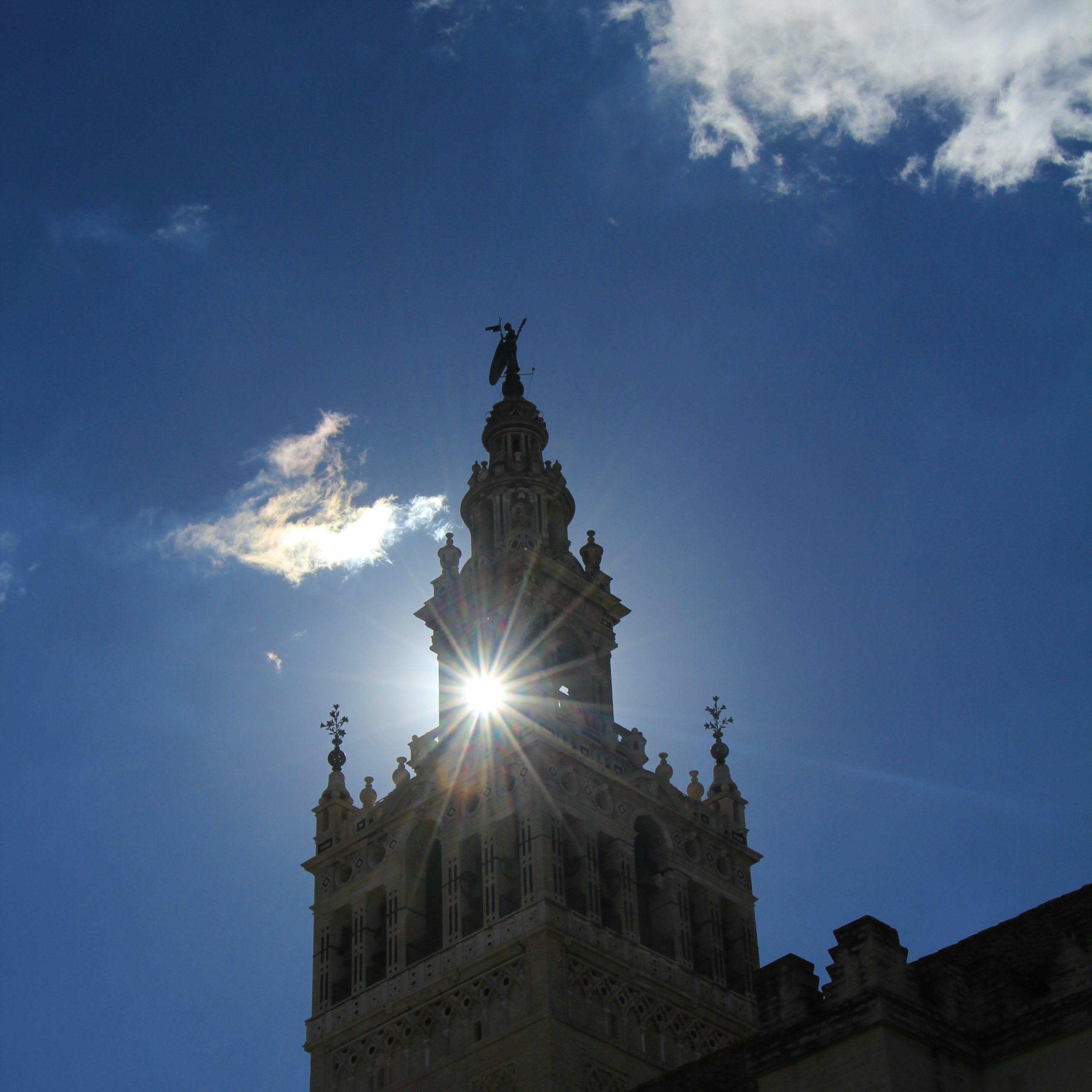
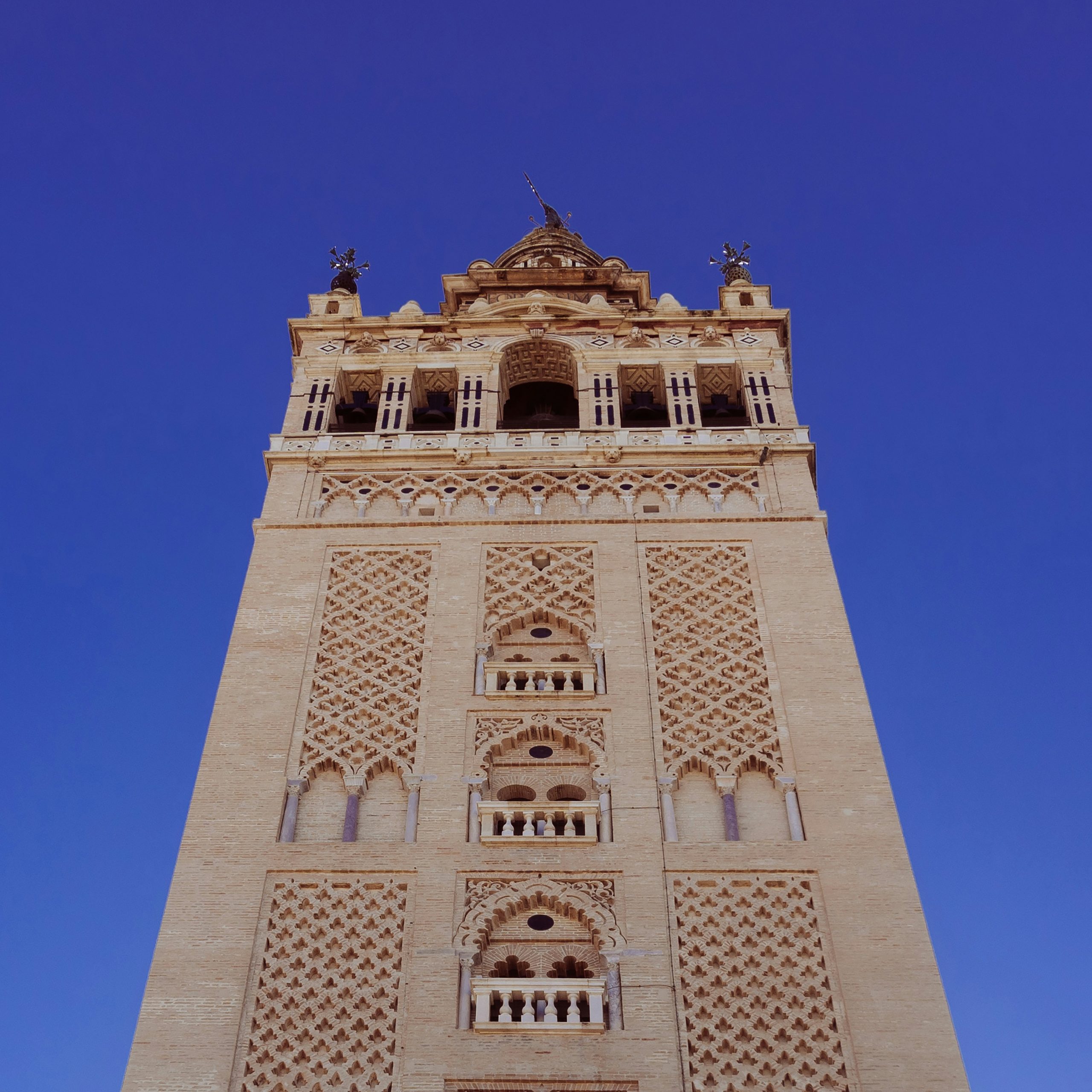
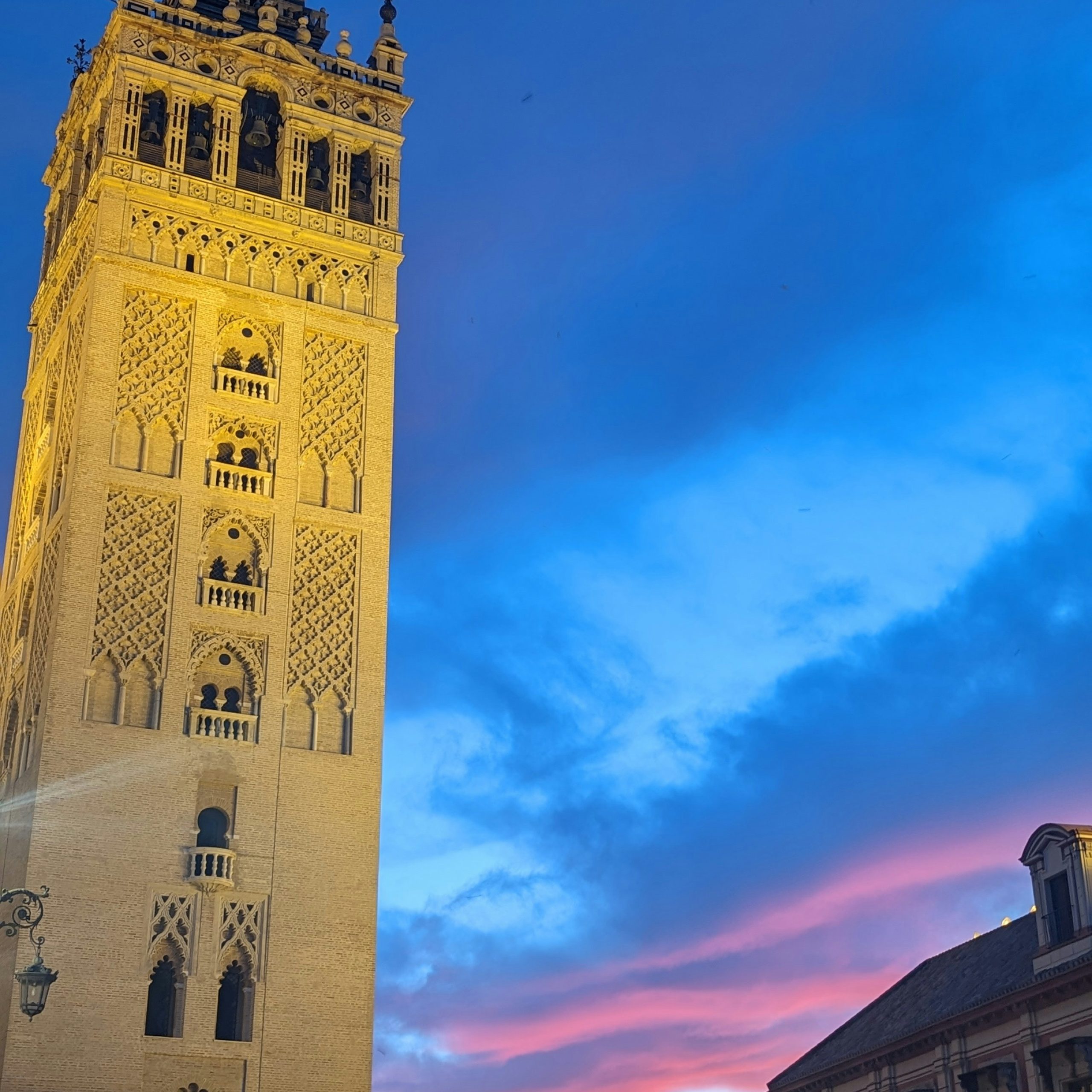
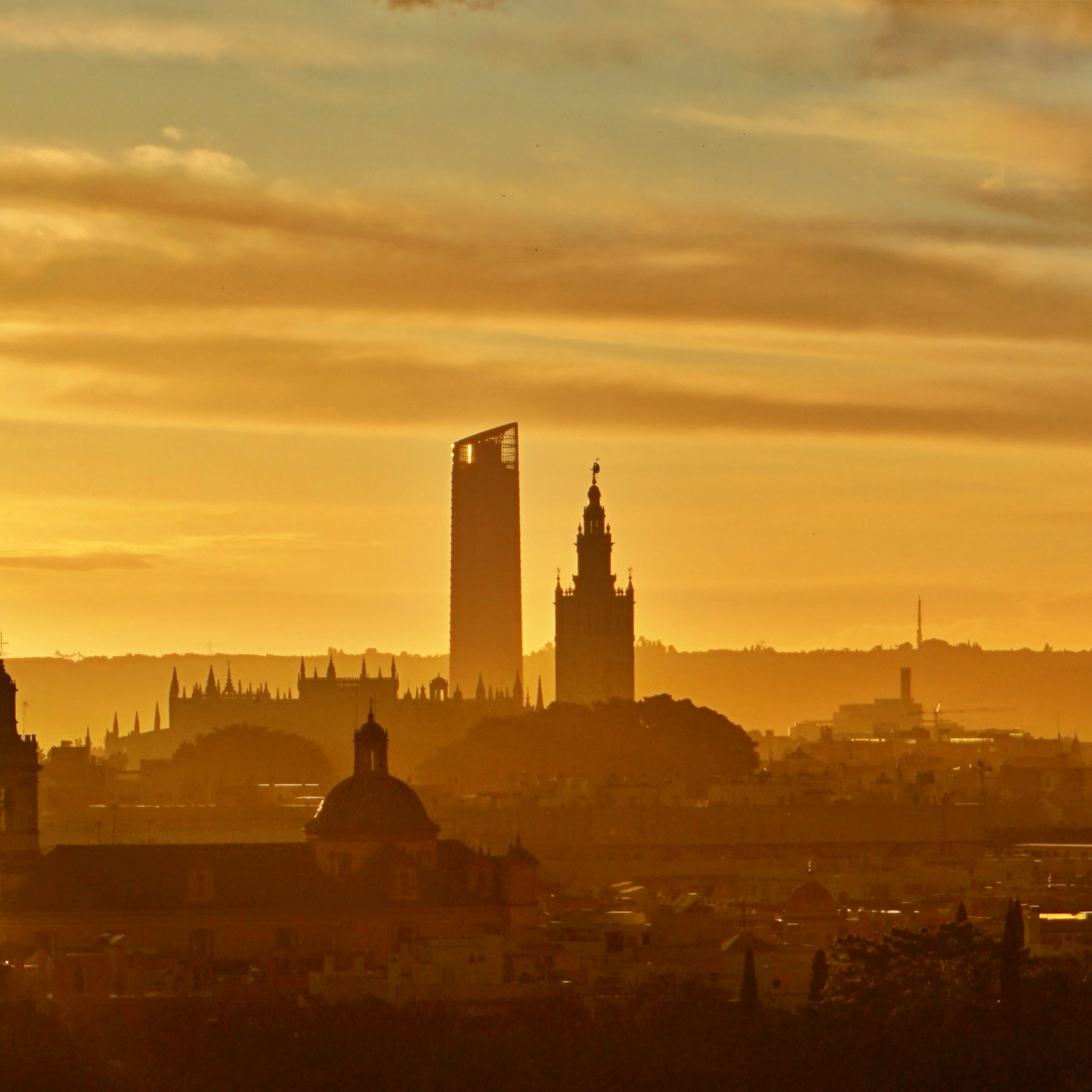
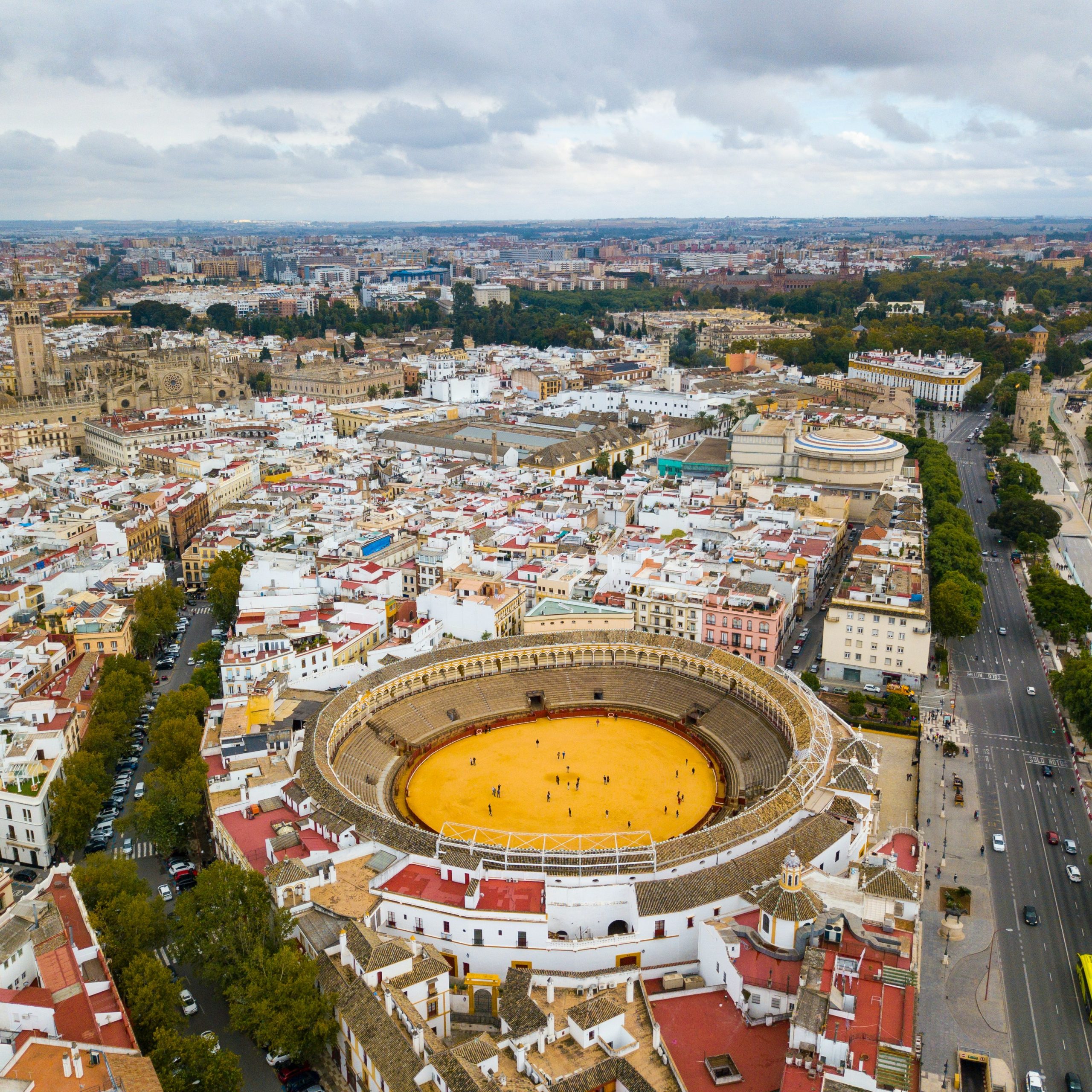
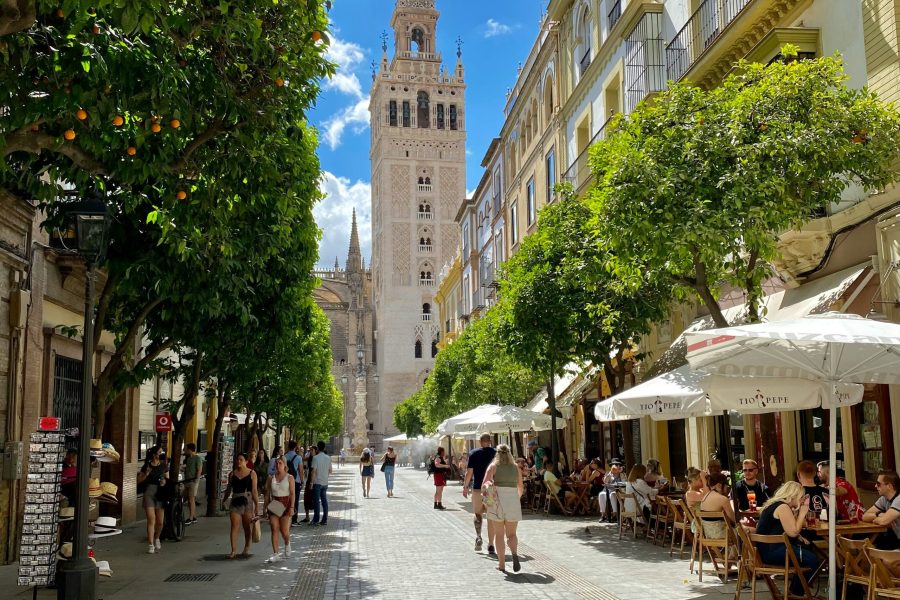
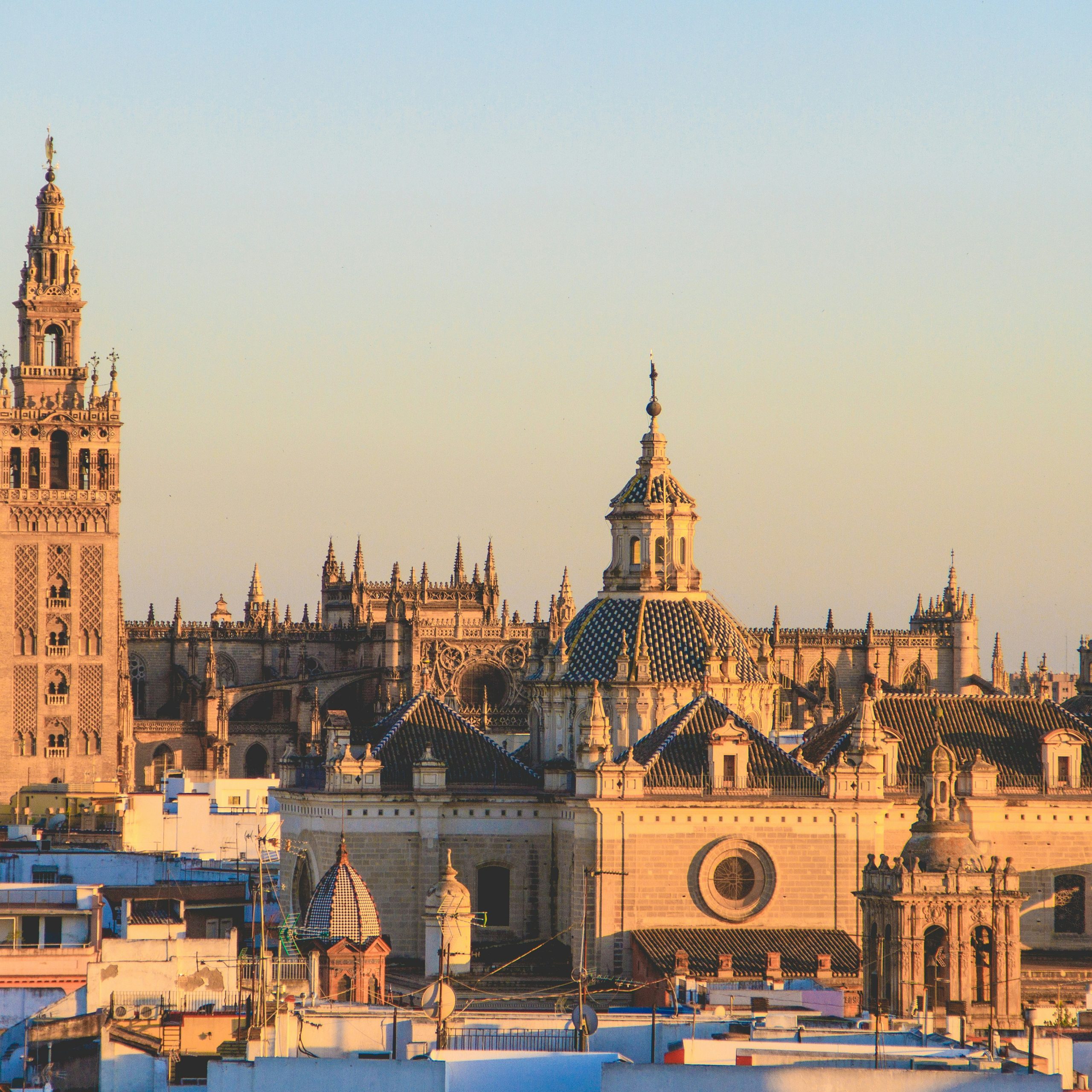
In the late 12th century, the Almohad caliphs chose Seville as the capital of their Iberian empire — and they set about making it worthy of the title. They raised a minaret so perfectly proportioned that the Christian armies who conquered the city sixty years later could not bring themselves to destroy it. Instead, they added a bell tower on top and called it La Giralda. It still stands — the most recognisable silhouette in Seville and one of the most beautiful towers ever built.
But La Giralda is only the beginning.
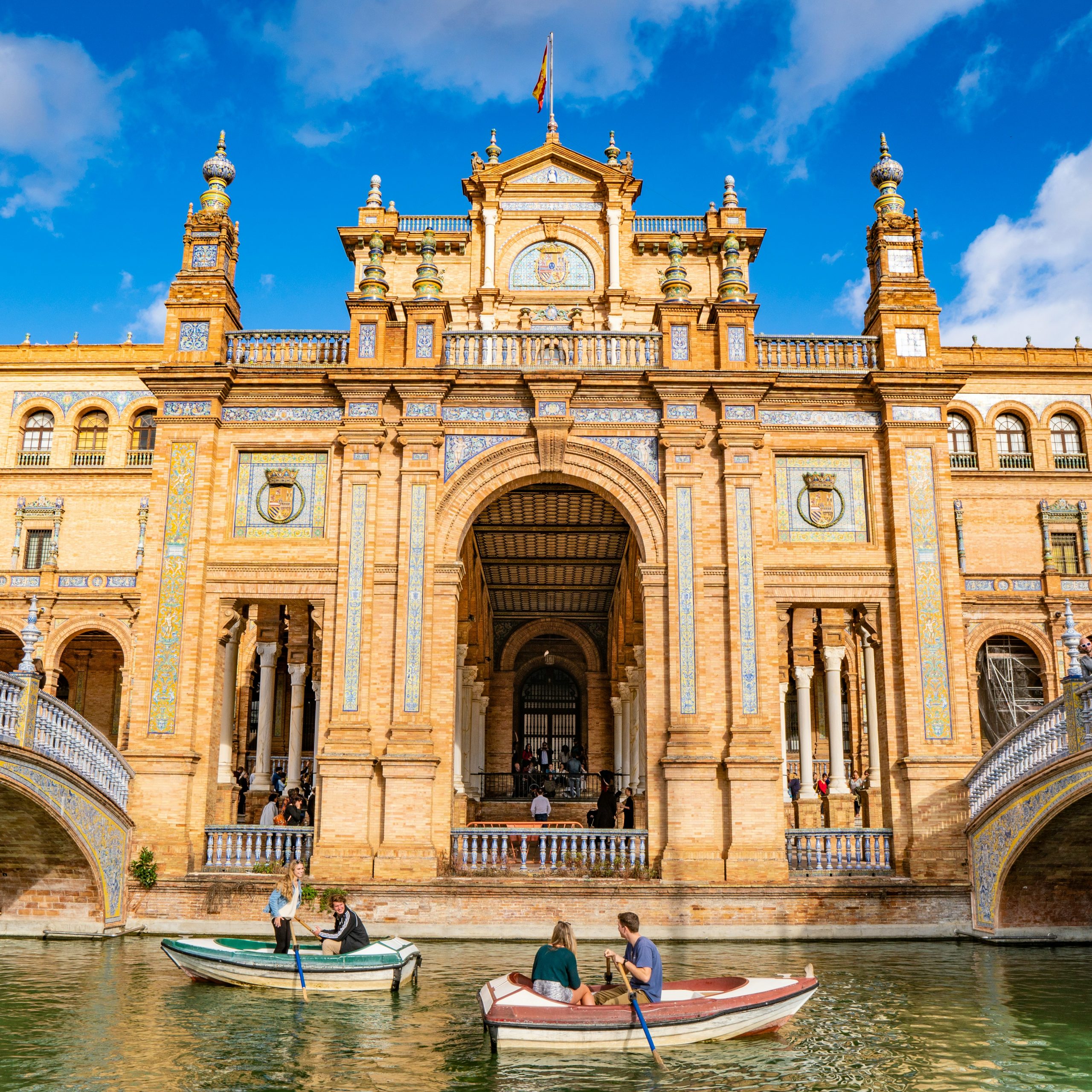
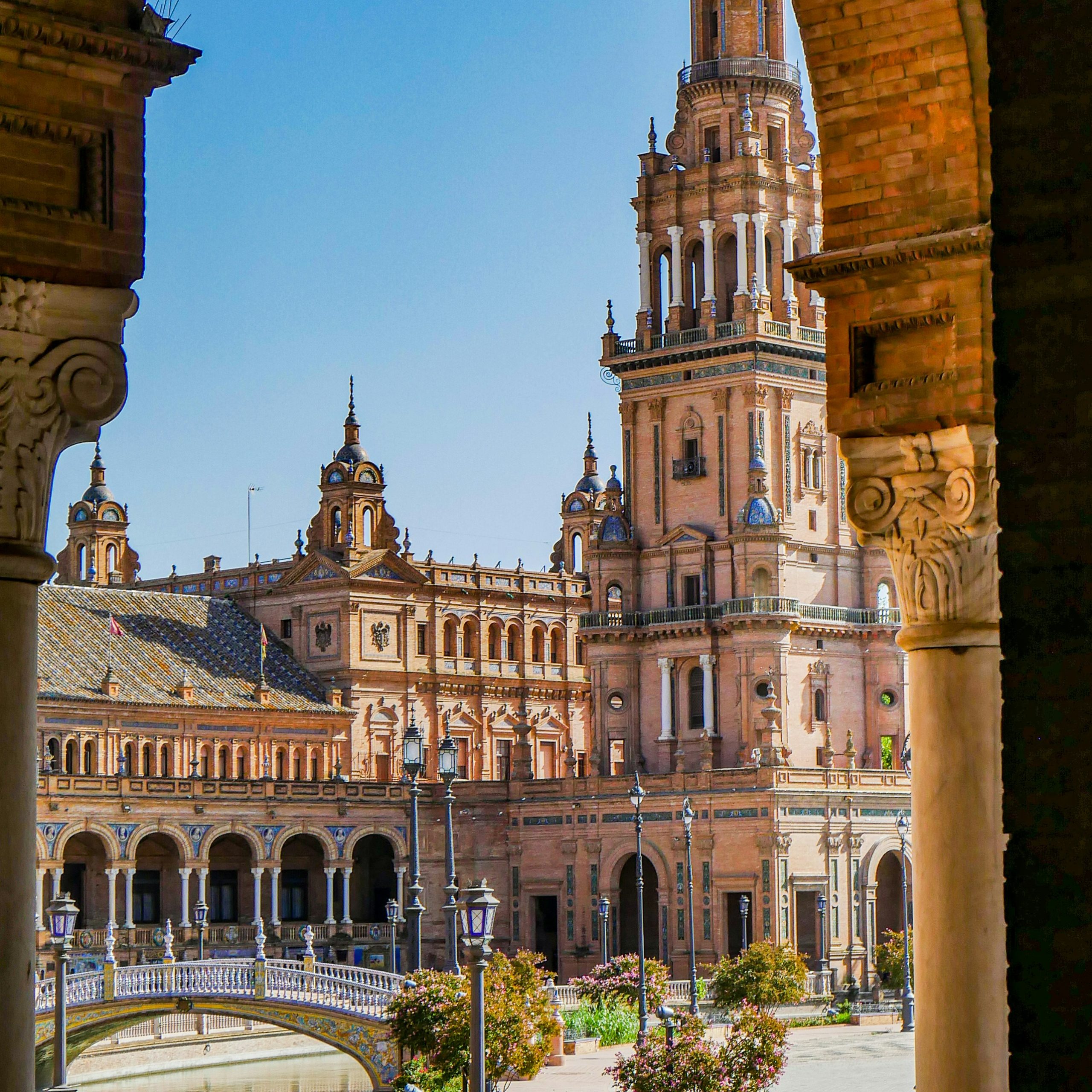
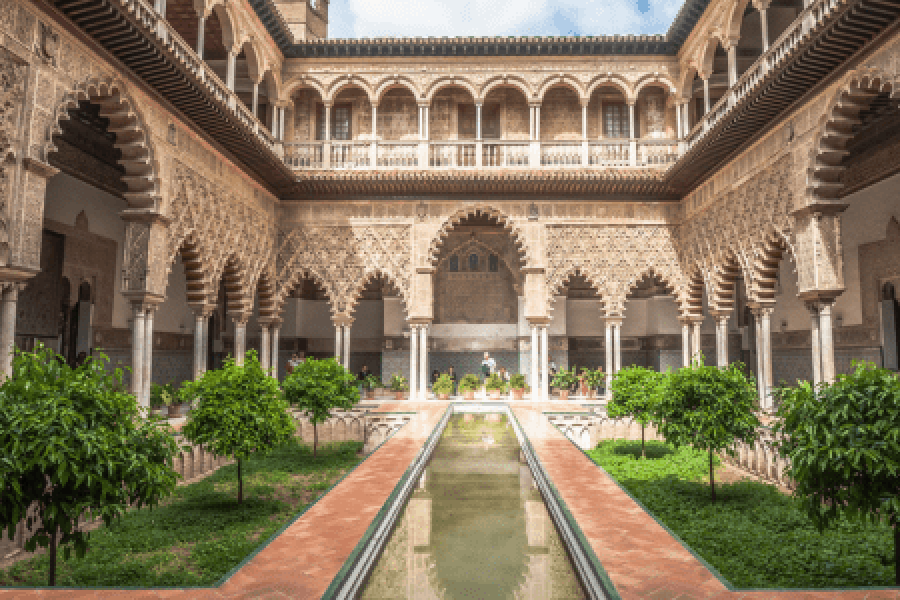
The Almohad Seville tour takes you beneath the surface of one of Europe’s most captivating cities — past the tapas bars and flamenco shows to the Islamic foundations that shape everything you see. You will climb the Giralda via the horse ramp the muezzin once rode to the summit. You will walk through the Real Alcázar, where Christian kings so admired Islamic art that they hired Muslim craftsmen to build their palace — creating a Mudéjar masterpiece that blurs the line between cultures so completely that scholars still debate where one ends and the other begins.
You will stand beside the Torre del Oro, the golden watchtower the Almohads built to guard the Guadalquivir. You will explore Barrio Santa Cruz, the old Jewish quarter, where narrow alleys and hidden courtyards preserve the rhythm of a city that once held three faiths in fragile balance. And on the three-day option, you will drive to Itálica — the Roman city where emperors Hadrian and Trajan were born — to understand the classical foundations upon which Al-Andalus was built.
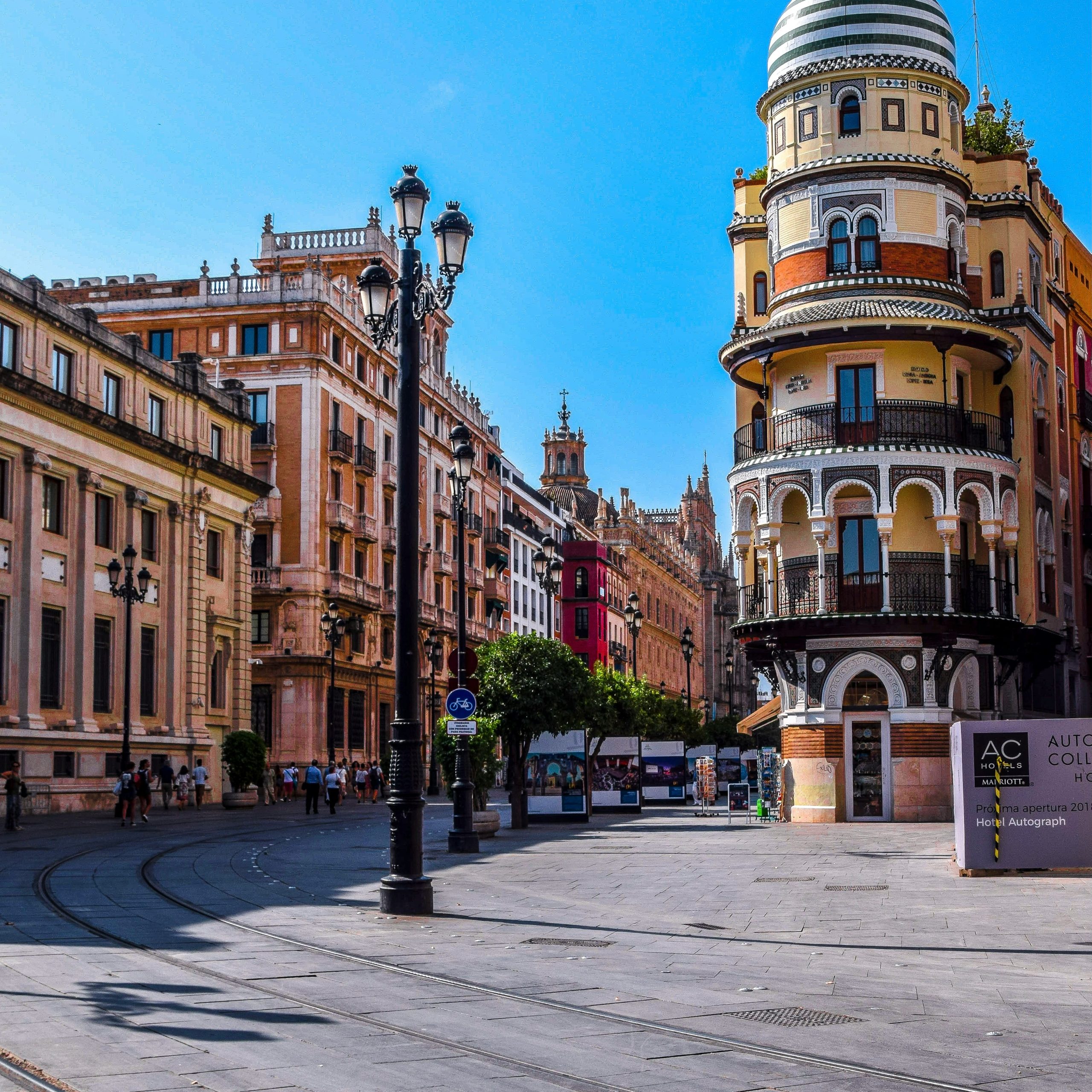
Seville is a city that hides its Islamic heritage in plain sight. The orange trees? Planted by the Almohads. The courtyard gardens? Islamic design principles. The very street pattern of the old city? A Moorish medina, still intact beneath the modern surface. Without a guide who knows where to look, you could walk past all of this and never know it was there.
This tour ensures you see the real Seville — the one that existed before the cathedrals, before the conquistadors, before the tourists. The city the Almohads built. The city that still carries their fingerprint on every street.
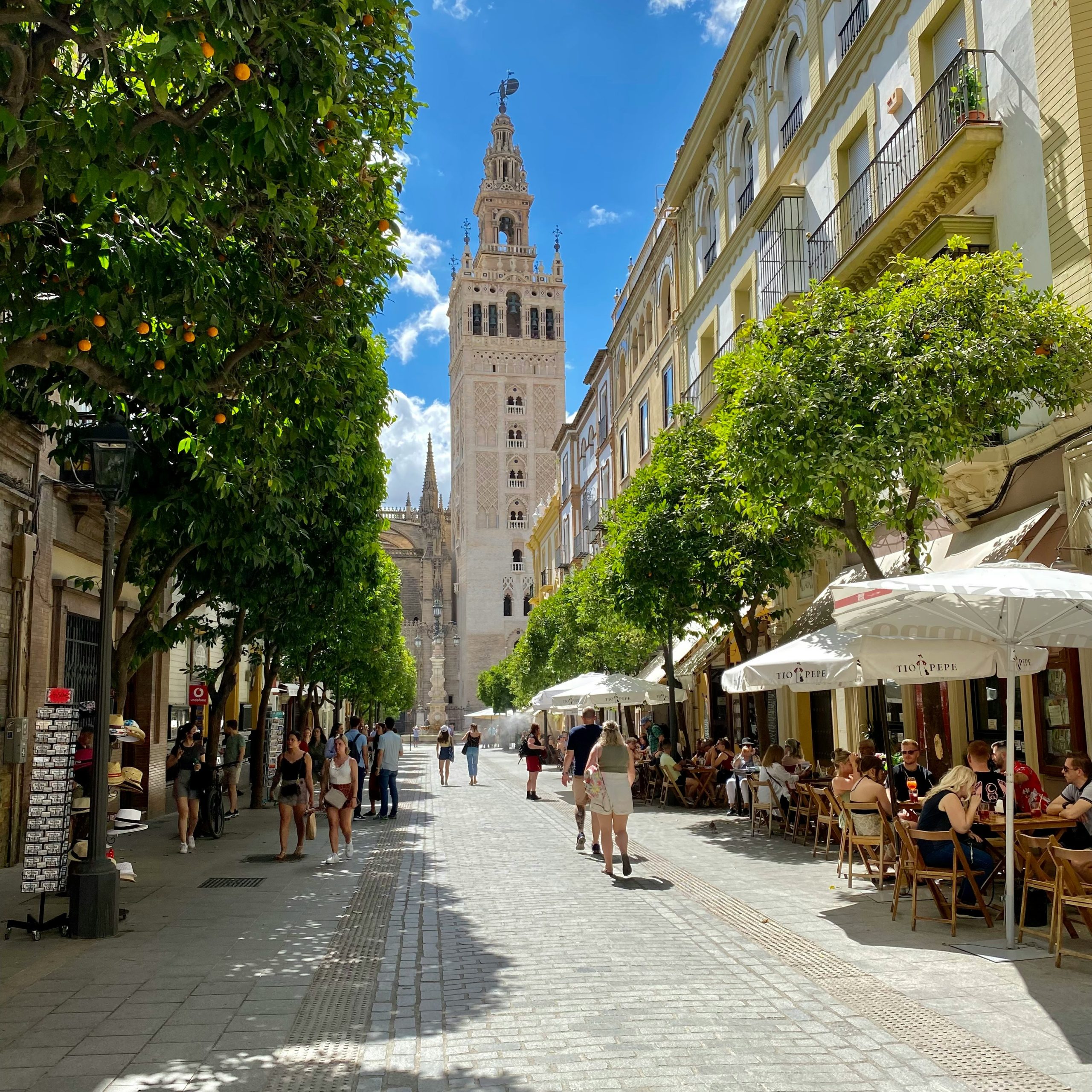
"Climb the minaret the conquerors loved too much to destroy"
Morning: Begin at the Catedral de Sevilla and La Giralda. But forget everything you think you know about this building. Your guide will take you first to the Patio de los Naranjos — the courtyard of orange trees that was once the ablution courtyard of the Great Almohad Mosque. The fountain where the faithful washed before prayer is still there. The horseshoe arch through which they entered the mosque is still there. And rising above it all, the Giralda — the 12th-century minaret that the Almohad architect Ahmad ibn Baso designed with such mathematical precision that it has survived earthquakes, wars, and nearly 900 years of weather.
Climb the ramp — not stairs, but a ramp wide enough for the muezzin to ride a horse to the top. At the summit, the views stretch across the entire city — and your guide will point out where the original four golden spheres once crowned the tower, visible from kilometres away, before they were replaced by the Renaissance bell tower you see today.
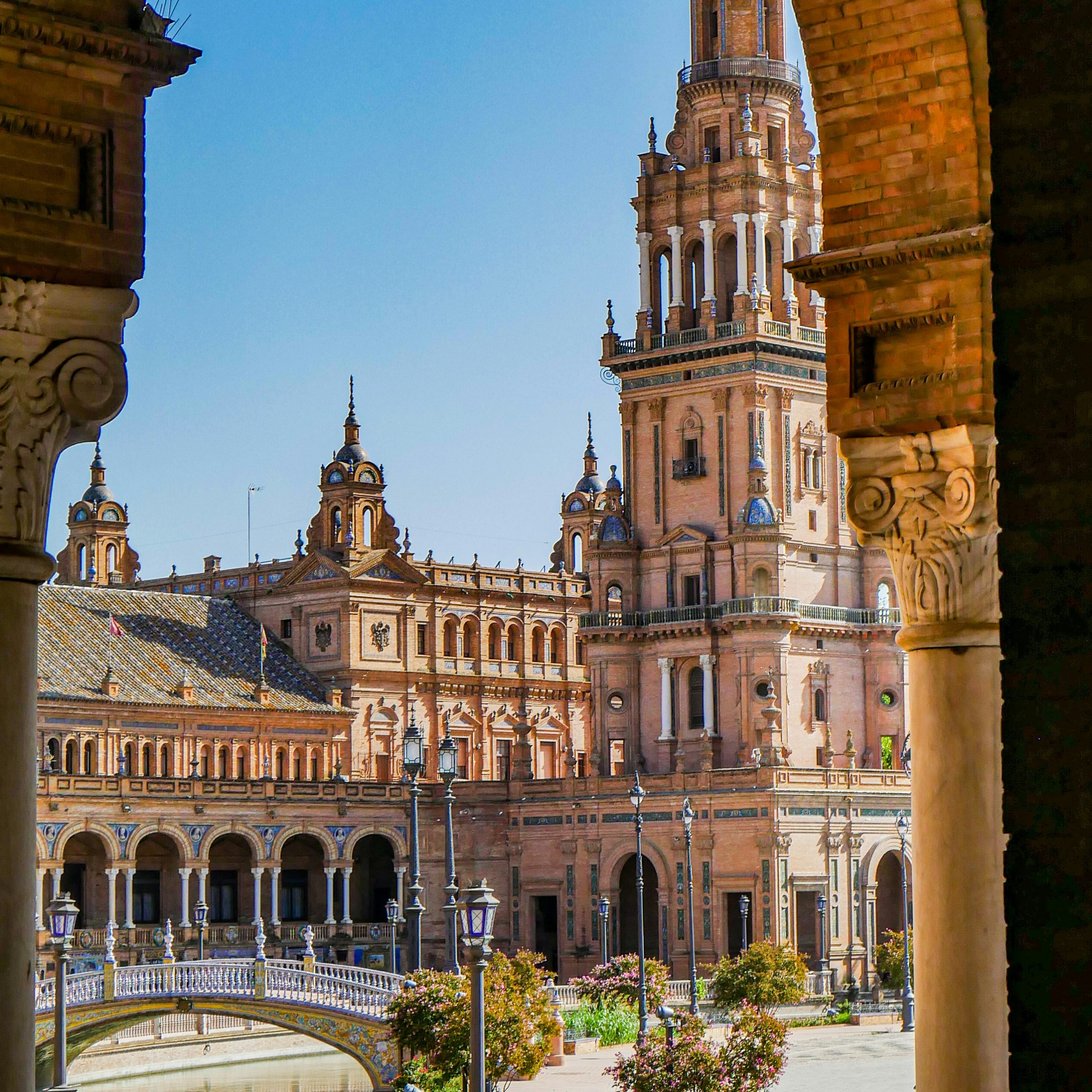
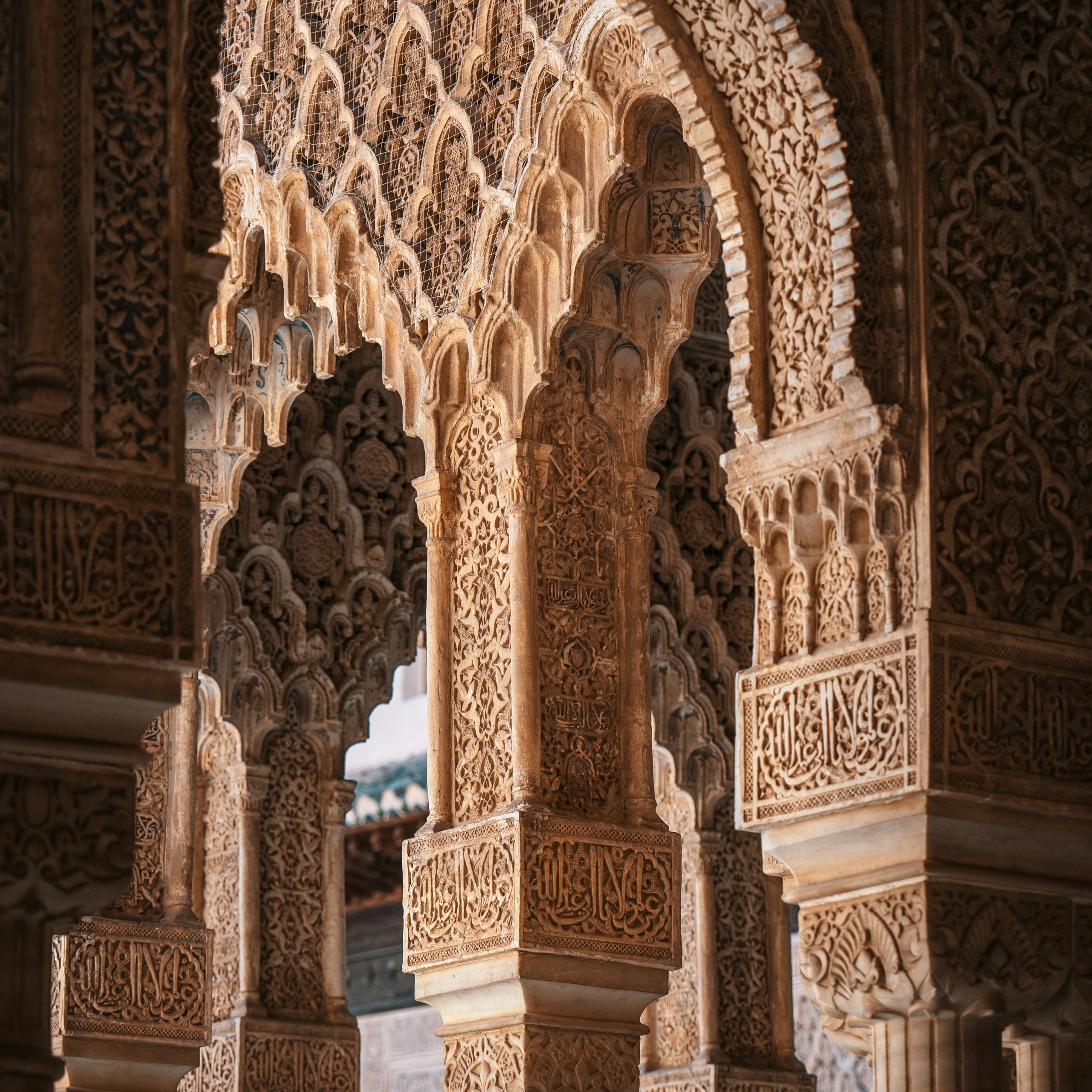
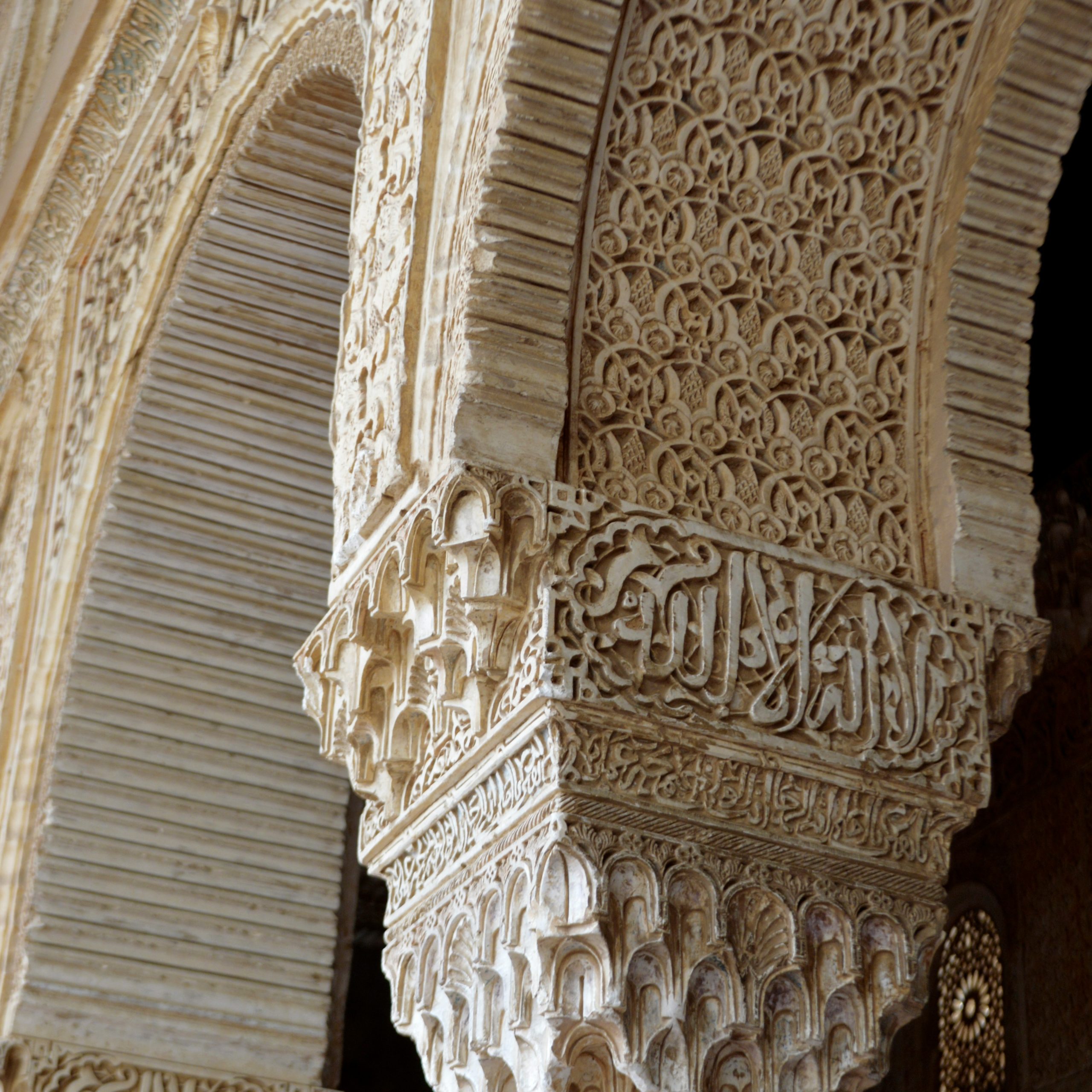
Continue to the Real Alcázar. This is not a mosque or a church but something far more fascinating: a palace built by a Christian king (Pedro I of Castile, 14th century) who so admired the Islamic art of the Alhambra that he brought Muslim craftsmen from Granada and Toledo to create his residence. The result is a building covered in Arabic inscriptions praising Allah — commissioned by a Christian king, in a Christian city, created by Muslim hands. The gardens, designed with Islamic principles of water, symmetry, and shade, are among the most beautiful in all of Spain.
Afternoon: Walk through Barrio Santa Cruz, the old Jewish quarter — a maze of narrow streets, hidden plazas, and wrought-iron balconies draped in jasmine. Here, Muslims, Jews, and Christians once lived as neighbours in one of the most diverse urban communities in medieval Europe.
Visit the Iglesia del Salvador — built directly on the foundations of Seville's oldest mosque, the Abbadid Mosque (Ibn Adabbas Mosque, 9th century). Your guide will show you the column bases and the minaret base still embedded within the church — a building literally constructed on top of another civilisation's house of prayer.
End at the Torre del Oro, the golden watchtower built by the Almohads in 1220 to anchor a great chain across the Guadalquivir, protecting the city's river port from naval attack.
Did you know? The Patio de los Naranjos at Seville Cathedral is not a Christian addition — it is the original courtyard of the Almohad Mosque, built in the 12th century. The orange trees, the fountain, and the horseshoe arches are all Islamic.
Overnight in Seville
"The pleasure gardens of the caliphs and a living link to Al-Andalus"
Morning: Visit La Buhaira — the remains of the Almohad royal pleasure gardens. In the 12th century, this was a vast estate with pavilions, reflecting pools, and orchards where the Almohad governors retreated from the heat of the city. Today, only fragments survive — but enough to imagine the scale and beauty of what once stood here.
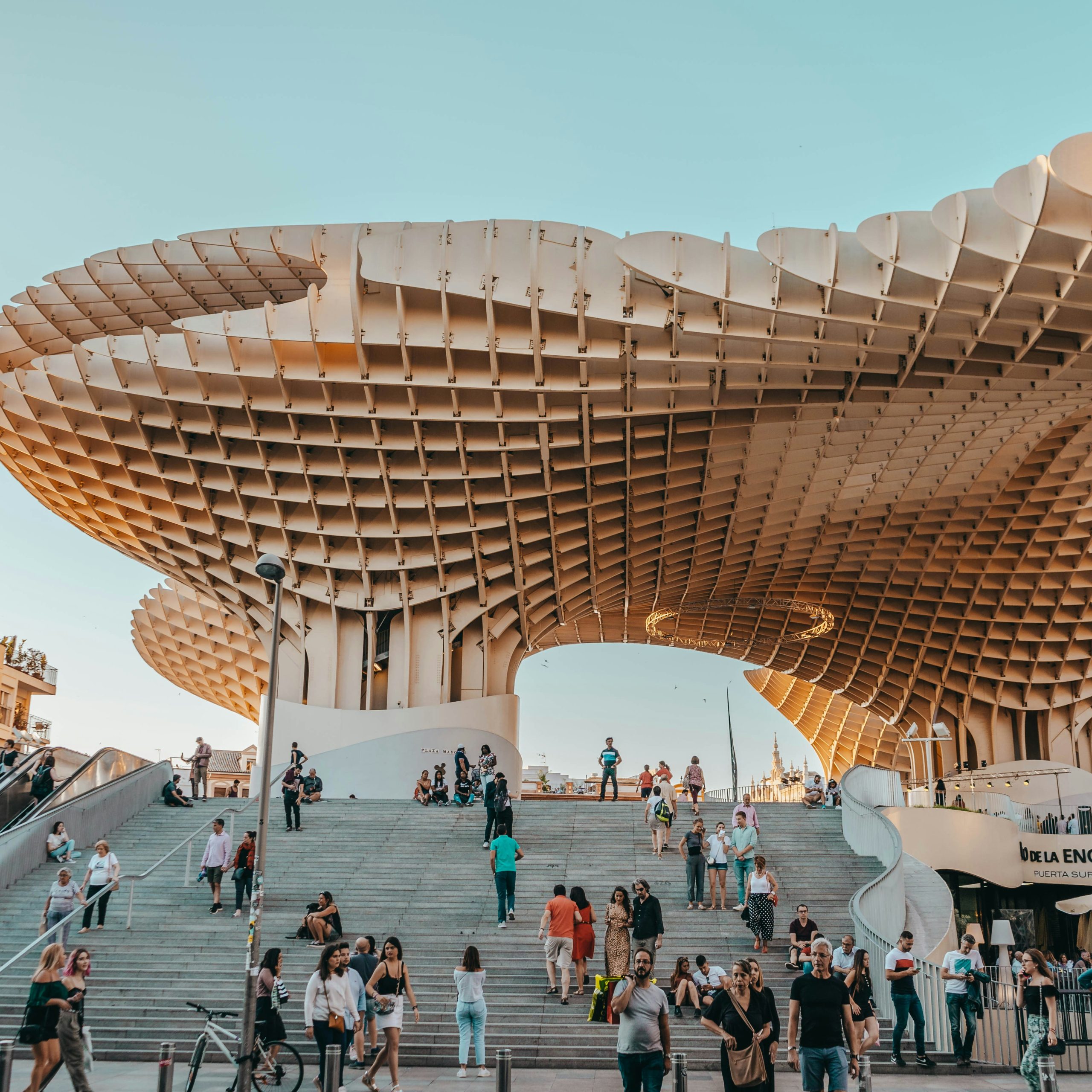
Continue to Las Setas (Metropol Parasol), the modern wooden structure in the Plaza de la Encarnación. Descend to the Antiquarium below — a museum built around Roman ruins discovered during construction. Here you see Seville's layers compressed into a single site: Roman foundations, Islamic artefacts, and a 21st-century structure, all occupying the same ground.
Visit the Madrasah Al-Andalusia, a functioning Islamic educational institution that connects the scholarly tradition of Al-Andalus with the present. This is not a museum piece — it is a living continuation of the intellectual heritage that made Seville great.
Afternoon: Free time for final exploration. Return to the Alcázar gardens. Visit the Archivo de Indias (if interested in the colonial period). Walk along the Guadalquivir. Explore the Triana neighbourhood across the river, famous for its ceramics — a craft tradition with deep Islamic roots.
Did you know? The ceramic tile tradition of Triana — the azulejos that decorate buildings across Seville — takes its name from the Arabic az-zulayj, meaning "polished stone." The techniques used today are direct descendants of methods brought by Muslim craftsmen.
Departure or overnight in Seville
"Before the Moors, before the Visigoths — Rome planted the seeds that Al-Andalus would harvest"
Morning: Drive to Itálica (~20 minutes from central Seville). Founded in 206 BC, Itálica was one of the first Roman cities in Hispania and the birthplace of two Roman emperors — Hadrian and Trajan. Walk through the remarkably preserved amphitheatre (capacity: 25,000 — one of the largest in the Roman Empire), the mosaic-floored villas, and the wide, colonnaded streets.
Why does a Roman city matter on an Islamic heritage tour? Because Al-Andalus did not emerge from nothing. The Muslim scholars who arrived in 711 inherited a peninsula shaped by Rome — its roads, its aqueducts, its urban planning, and crucially, its libraries. The great intellectual project of Al-Andalus — translating, preserving, and expanding classical knowledge — was built on Roman foundations. Standing in Itálica, you see the first chapter of a story that reaches its climax in Córdoba's Mezquita and Granada's Alhambra.
Afternoon: Return to Seville. The rest of the day is free. Your guide will provide a curated list of experiences: the hammam (optional, Silver and Gold packages), a walk through the Macarena neighbourhood, the markets where Al-Andalus lives on in the spices and the language, or simply an afternoon sitting in a plaza, watching one of Europe's most beautiful cities move around you.
Optional evening: Flamenco show with historical context explaining the art form's Moorish, Jewish, and Roma roots (Gold package).
Did you know? Itálica's amphitheatre was used as a filming location for Game of Thrones — the Dragon Pit scenes were shot among its 2,000-year-old ruins.
Departure from Seville
Two days cover the essential Almohad Seville — La Giralda, the Alcázar, and the old city. Three days add Itálica (the Roman foundation of Al-Andalus) and more free time. If you love history and want to understand the full story, three days is the richer experience.
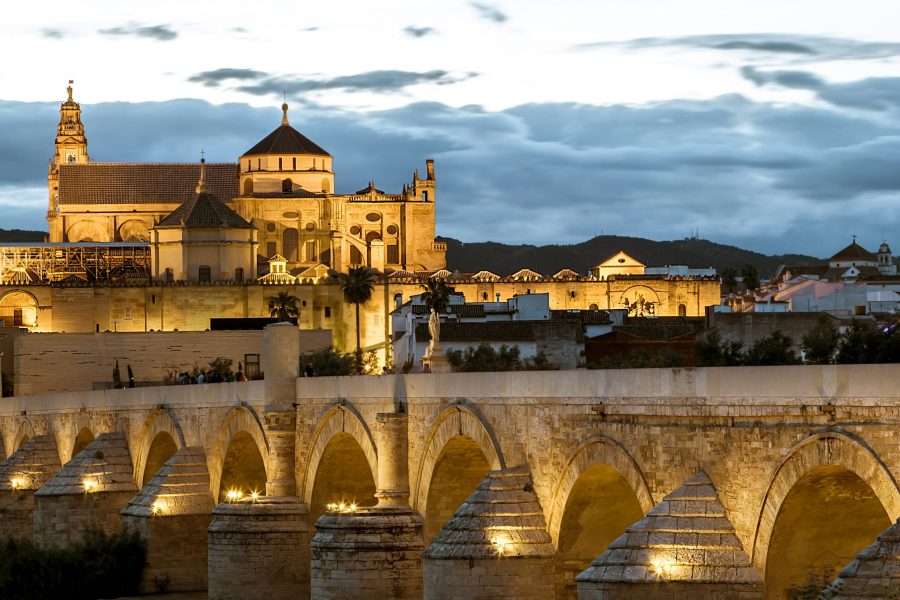
Yes. The Almohad Seville pairs naturally with The Umayyad Córdoba and The Nasrid Granada for a custom multi-city journey.
Almost certainly. Most visitors to Seville see the cathedral, the Alcázar, and the tapas bars — but miss the Islamic heritage hidden in plain sight. This tour reveals a completely different city.
Absolutely. The Almohad legacy is a chapter of European history that enriches everyone.

Member Since 2026