
















14 Days Relax
Specific Tour
10 people
English, Espanol
There are tours that show you a country. And then there are journeys that change the way you understand a civilisation.
The Golden Cities is our most complete tour — fourteen unhurried days that trace the entire arc of Islamic Spain, from the moment Muslim scholars first transformed Toledo into Europe’s great translation centre, to the final breath of Al-Andalus in the mountain villages of the Alpujarras. This is not a highlights reel. This is the full story, told at a pace that lets every chapter settle into your memory.
You begin in Madrid, where the remains of the original Arab fortress wall — the Mayrit that gave the city its name — still stand in the shadow of the Royal Palace. Then south to Toledo, the city where Muslim, Jewish, and Christian scholars sat together and translated the entire body of classical knowledge from Arabic into Latin, giving Europe back the philosophy, medicine, and mathematics it had lost. Without Toledo, the Renaissance might never have happened.
From Toledo, the journey moves south into the heart of Al-Andalus. Córdoba, the capital of the Western world in the 10th century, where you will stand inside the Mezquita and drive into the hills to explore Medina Azahara, the palace-city that was lost beneath the earth for a thousand years. Seville, the Almohad capital, where two full days give you time to discover not only the Giralda and the Alcázar, but also Itálica — the Roman city where the seeds of Al-Andalus were planted — and the Madrasah Al-Andalusia, where Islamic scholarship continues today.
Ronda awaits on a mountaintop split by a 120-metre gorge, its Arab baths and medina still echoing the principles of Islamic urban design. Then Málaga, the ancient port city where a Hammudid fortress watches over the Mediterranean and where you will have a full day to explore at your own pace.
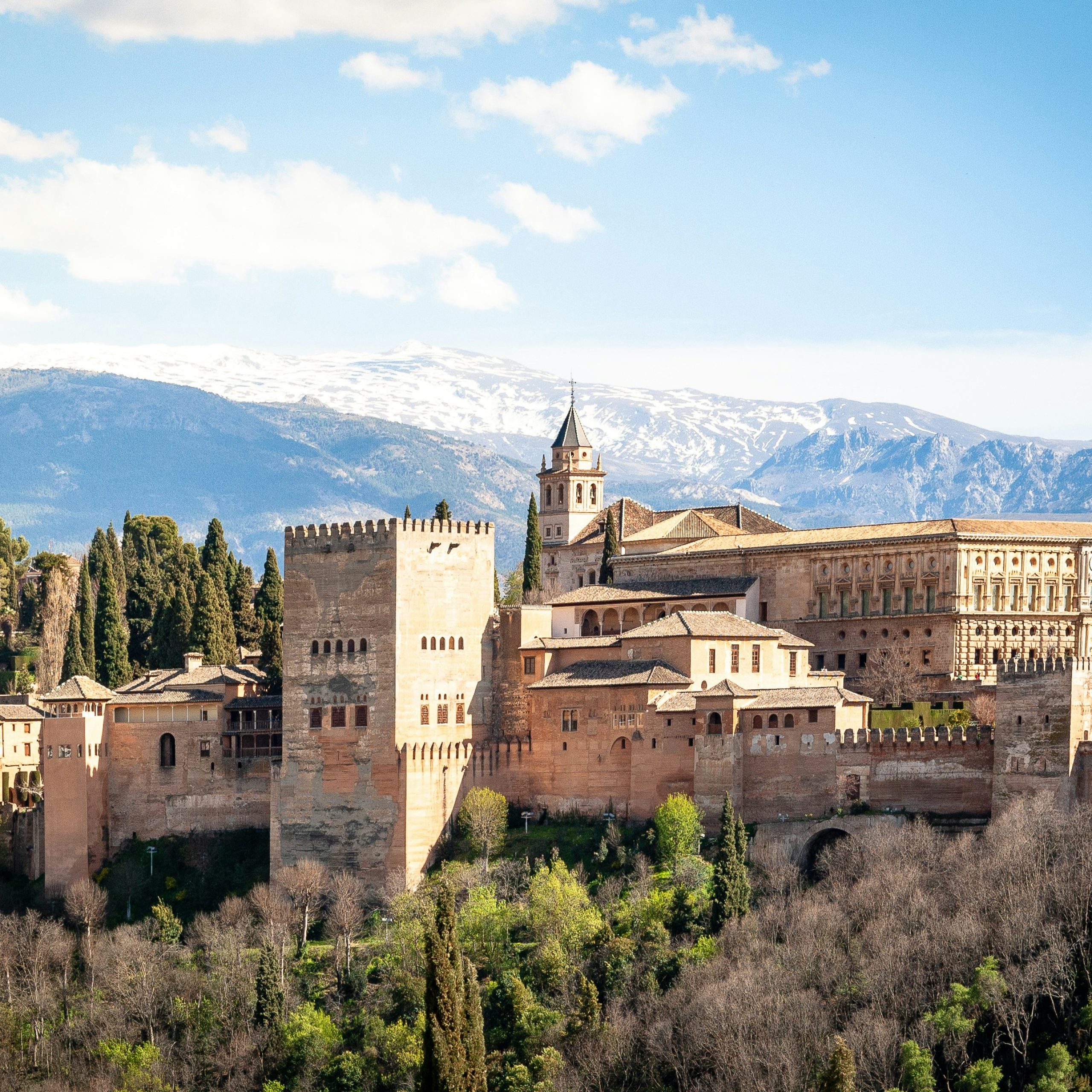
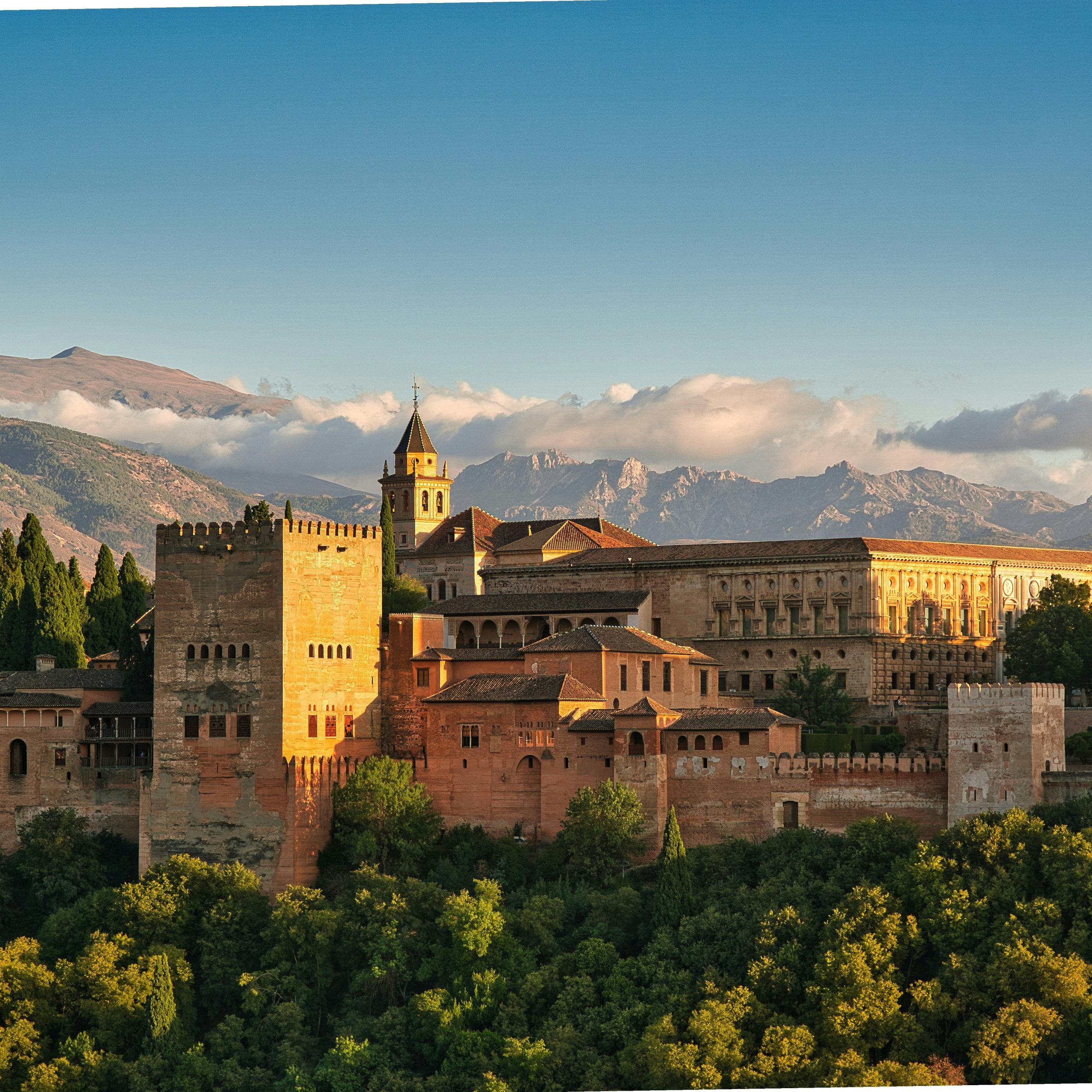
The journey reaches its emotional peak in Granada, where the Alhambra — the palace the Nasrid dynasty built as a meditation on paradise — demands not one but two days of your time. You will walk the Albaicín at sunset. You will hear the adhan that has returned to the old Moorish quarter after five centuries of silence. And on your final morning, you will drive into the Alpujarras, where white villages cling to the Sierra Nevada and where the irrigation systems designed by Muslim engineers a thousand years ago still carry water through the terraces.
Throughout these fourteen days, your guides are not tour operators. They are historians and scholars of Al-Andalus — people who have spent their lives studying this civilisation and who will show you Spain through eyes you never knew you had.
This is the tour for travellers who understand that some stories cannot be told in a week. Who want the full arc — from the first translation in Toledo to the last acequia in the Alpujarras. Who believe that the best way to honour eight centuries of brilliance is to give them the time they deserve.
"Where the story begins — in the city the Arabs called Mayrit"
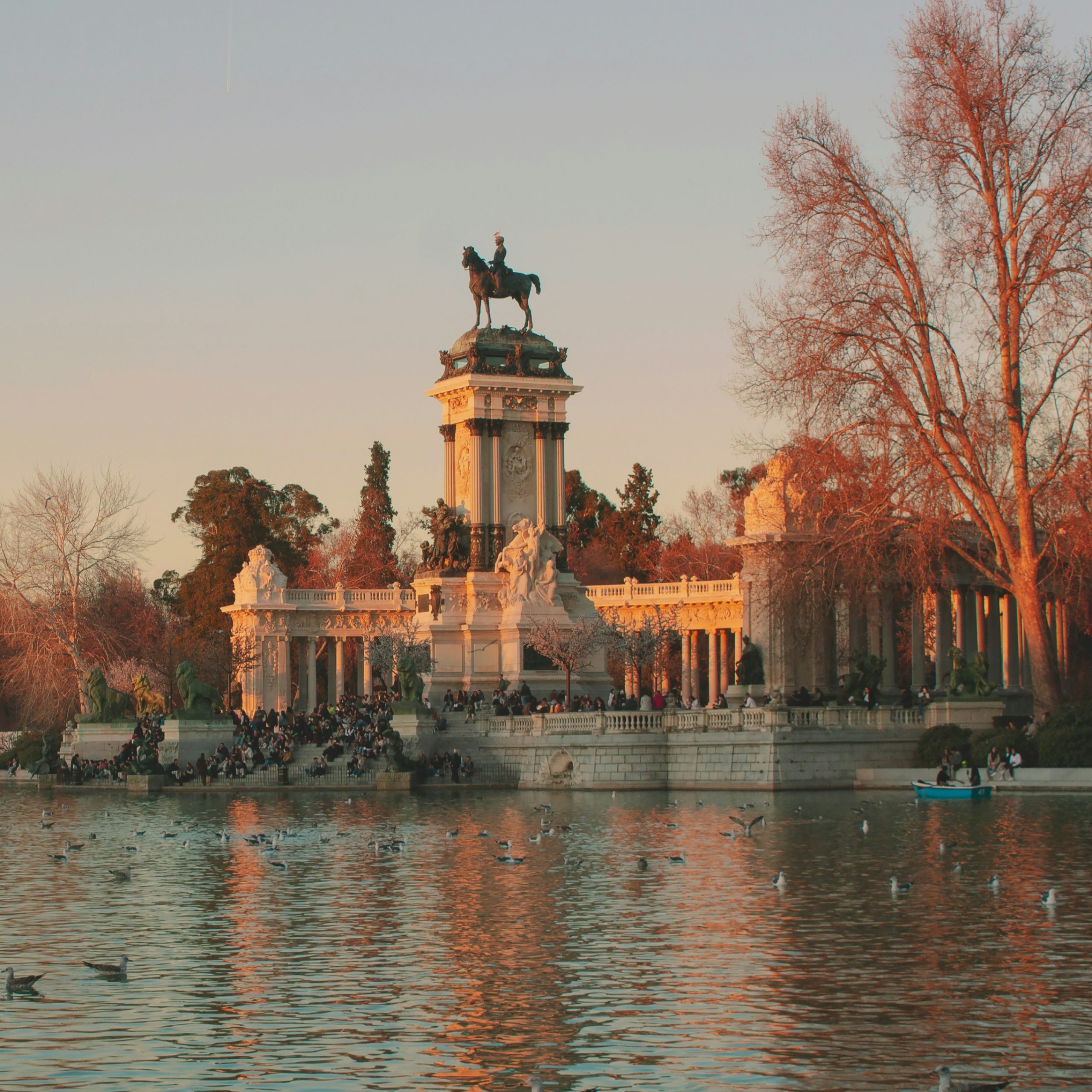
Welcome to Spain. After arriving at Madrid-Barajas Airport (MAD), you will be met by our team and transferred to your hotel in the heart of the city. The rest of the day is yours to settle in, recover from your journey, and begin to feel the rhythm of Madrid.
In the evening, join your fellow travellers for a welcome dinner — a chance to meet the group, hear an introduction to the journey ahead, and taste the first flavours of a culinary tradition shaped by centuries of Islamic influence.
Did you know? The name "Madrid" comes from the Arabic Mayrit (مجريط), meaning "source of water" — a reference to the underground channels the Arabs built beneath the original fortress.
Overnight in Madrid
"Where Muslim, Jewish, and Christian scholars saved the knowledge of the ancient world"
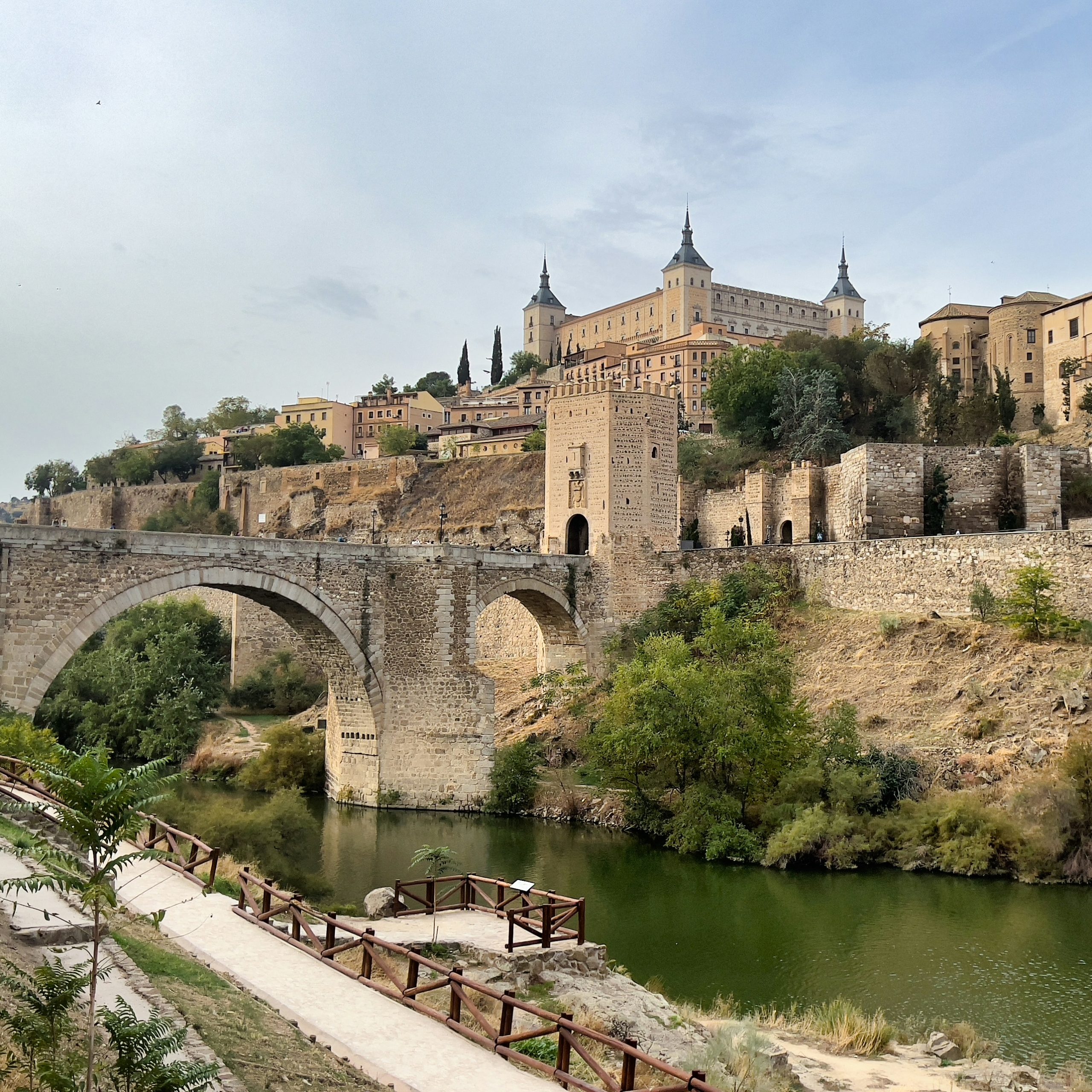
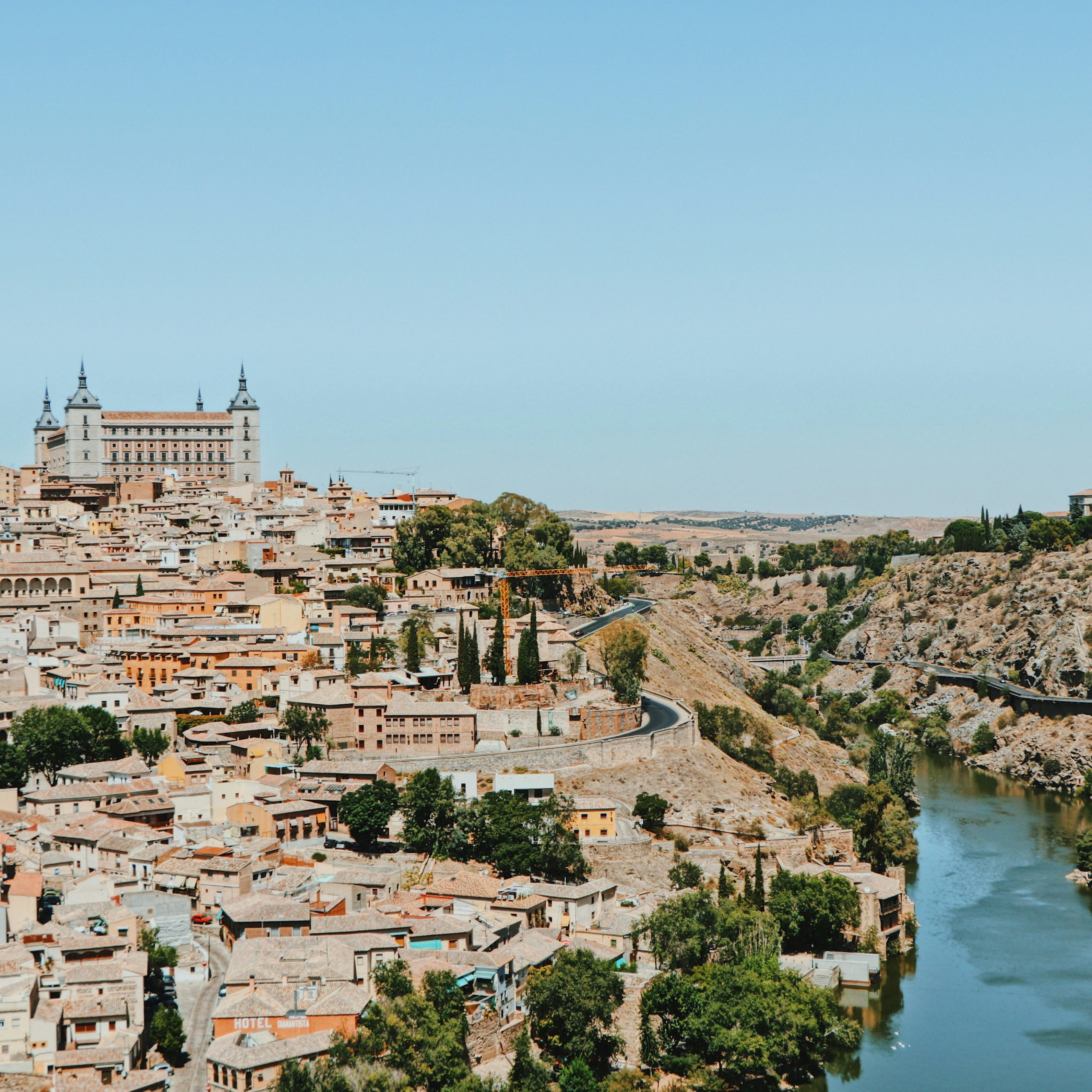
An early morning drive takes you south to Toledo (~1 hour) — the city perched on a granite hill above the Tagus River that, for a brief and extraordinary period, became the intellectual crossroads of the medieval world.
Morning: Begin at the Mosque of Cristo de la Luz (Mezquita de Bab al-Mardum), one of the oldest surviving mosques in Spain, built in 999 AD. Its horseshoe arches and geometric brickwork are a small but perfect example of the Caliphate architecture that transformed the Iberian Peninsula.
Walk through the Jewish Quarter, where narrow streets and ancient synagogues stand as testament to the three faiths that coexisted here. Visit the Synagogue of Santa María la Blanca, built by Mudéjar craftsmen using Islamic architectural principles — a building that is at once a synagogue, a piece of Islamic art, and a symbol of the cultural exchange that made Toledo unique.
Afternoon: Visit the Cathedral of Toledo, one of the greatest Gothic cathedrals in Spain, which stands on the site of the former Great Mosque. Then explore the Alcázar, the fortress that has dominated Toledo's skyline since Roman times and that every civilisation — Visigoth, Muslim, Christian — rebuilt in its own image.
Your guide will tell the story of the Toledo School of Translators, the 12th and 13th-century project in which scholars — many of them working in Arabic, Hebrew, and Latin simultaneously — translated the great works of Greek, Persian, and Arab science into Latin. It was this effort that transmitted the works of Aristotle, Ptolemy, Al-Khwarizmi, Ibn Sina (Avicenna), and dozens of others to medieval Europe, laying the intellectual foundation for the Renaissance.
Return to Madrid in the late afternoon.
Did you know? The word "algorithm" comes from the Latinised name of the Persian mathematician Al-Khwarizmi, whose works were translated into Latin in Toledo. Without Toledo's translators, modern computing might not exist.
Overnight in Toledo
"From the modern capital to the city that was once the capital of the world"
Today you leave Madrid and travel south into the heart of Andalusia. The journey to Córdoba (~4 hours by road, or ~2 hours by high-speed train AVE) takes you through the high plateau of La Mancha and down into the Guadalquivir valley, where olive groves stretch to the horizon.
Arrive in Córdoba in the early afternoon. Check into your hotel and take the rest of the day at a relaxed pace. Your guide will lead an introductory walk through the old town — a preview of tomorrow's full exploration — and share the story of how a young prince named Abd al-Rahman I fled the massacre of his family in Damascus, crossed the entire Islamic world, and arrived in this city to build a new civilisation from memory.
Did you know? When Abd al-Rahman I arrived in Córdoba in 756, he planted a date palm in the garden of his new palace — a tree from Syria, a living connection to the homeland he would never see again. He wrote a poem to it: "You too are a stranger in this land."
Overnight in Córdoba
"Enter the forest of columns that changed the history of architecture"
A full day in the city that, in the 10th century, was the largest and most advanced in Western Europe.
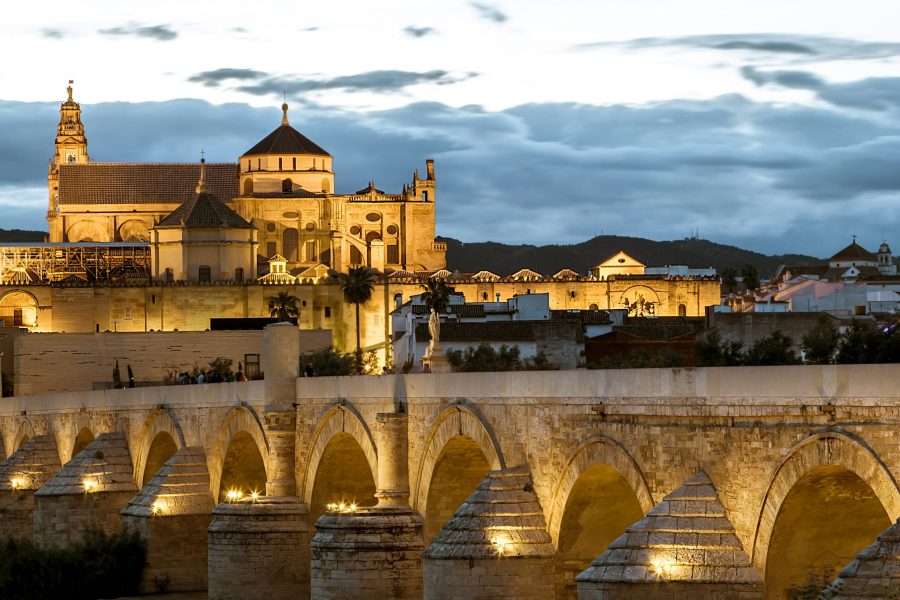
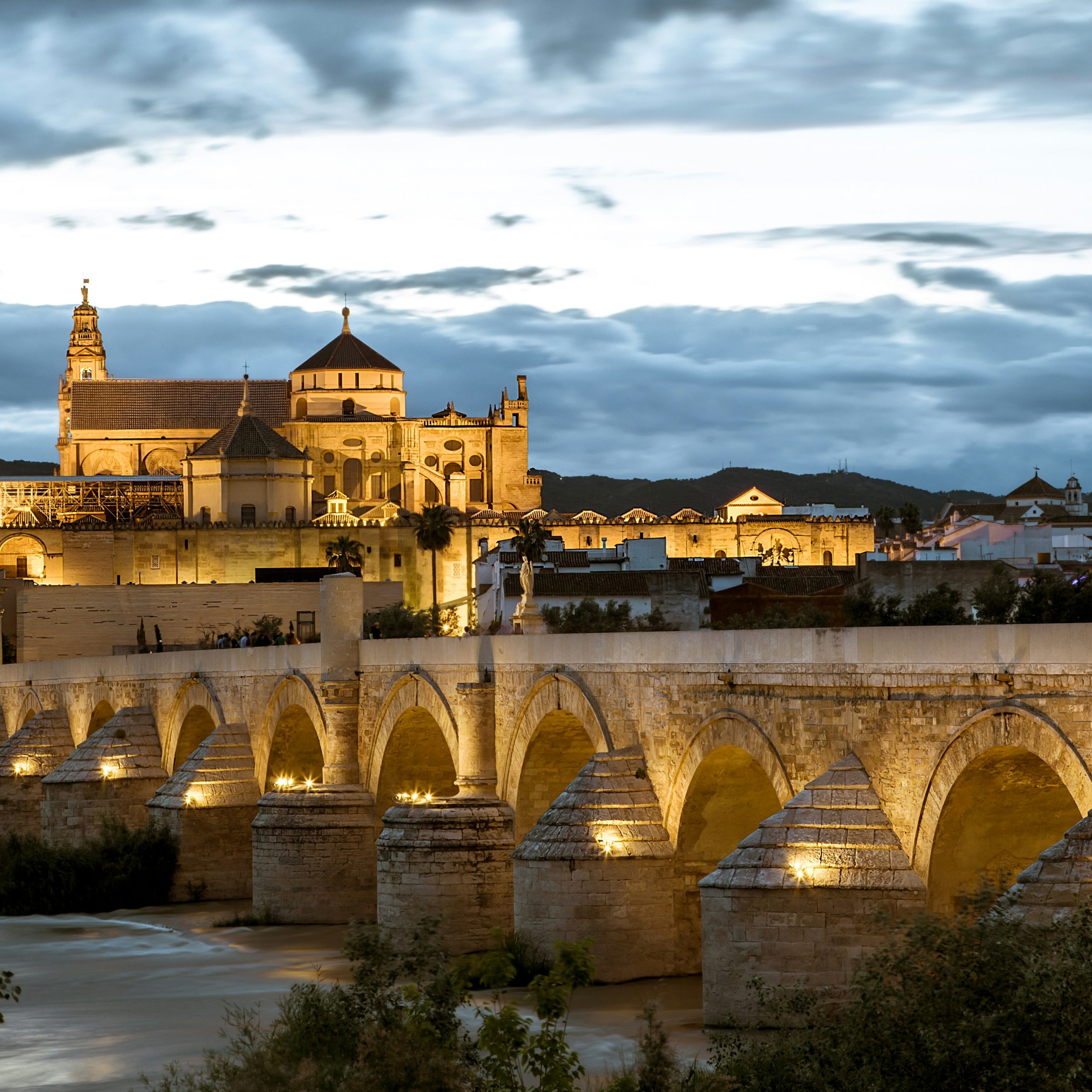
Morning: The Mezquita-Catedral — over 850 columns of jasper, onyx, marble, and granite, supporting red and white double arches that seem to multiply infinitely. Your guide will explain the mathematics behind the arches, the story of Abd al-Rahman I's act of memory, and the expansions that each generation of rulers added — each one more ambitious than the last.
Cross the Puente Romano and visit the Torre de la Calahorra, the museum dedicated to the three cultures of medieval Córdoba.
Afternoon: The Jewish Quarter and Synagogue. The story of Maimonides — born here under Muslim rule. The courtyard gardens fragrant with jasmine. And the story of Al-Hakam II's library — 400,000 manuscripts, the largest in Europe, with women serving as scribes and translators.
Evening at leisure — your guide will recommend the best patios and restaurants in the old quarter.
Did you know? Córdoba's street lighting in the 10th century was not replicated in London until 700 years later. The city also had running water in private homes — a luxury most European capitals would not enjoy for centuries.
Overnight in Córdoba
"The palace-city built to rival Baghdad — and lost beneath the earth for a thousand years"
Morning: Visit Medina Azahara (Madinat al-Zahra), the UNESCO World Heritage Site on the outskirts of Córdoba. In 936, Caliph Abd al-Rahman III ordered the construction of a new capital — a city of marble, gold, crystal, and mechanical fountains. Over 10,000 workers laboured for decades. Byzantine ambassadors reportedly fell to their knees at its beauty.
In 1010, during the fitna (civil war), it was sacked and burned. For nearly a thousand years, it lay forgotten beneath the earth. Rediscovered in 1911, only about 10% has been excavated. Your guide will walk you through the reception halls, gardens, and residential quarters — and help you imagine what once stood here.
Afternoon: Transfer to Seville (~1.5 hours). Settle into your hotel and spend the evening at leisure, wandering the banks of the Guadalquivir.
Did you know? The caliph's throne room at Medina Azahara had a ceiling that rotated to follow the movement of the sun, and a pool of quicksilver that scattered light across the walls like liquid stars.
Overnight in Seville
"Walk where caliphs prayed and poets recited verses under orange trees"
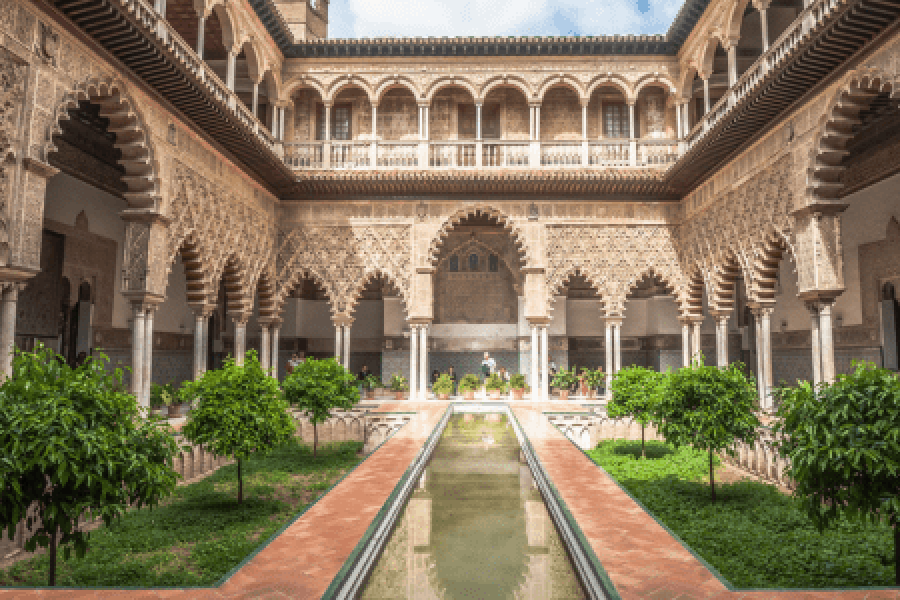
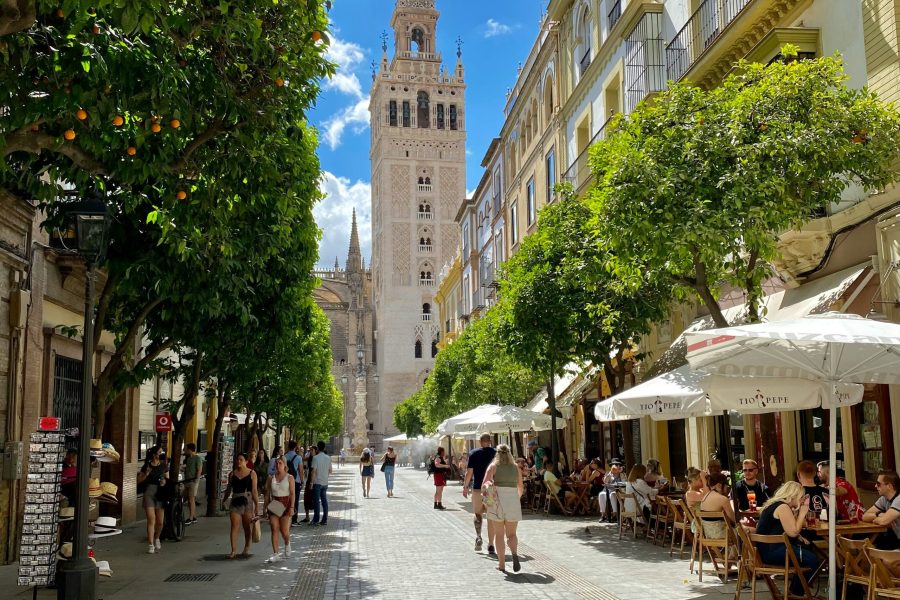
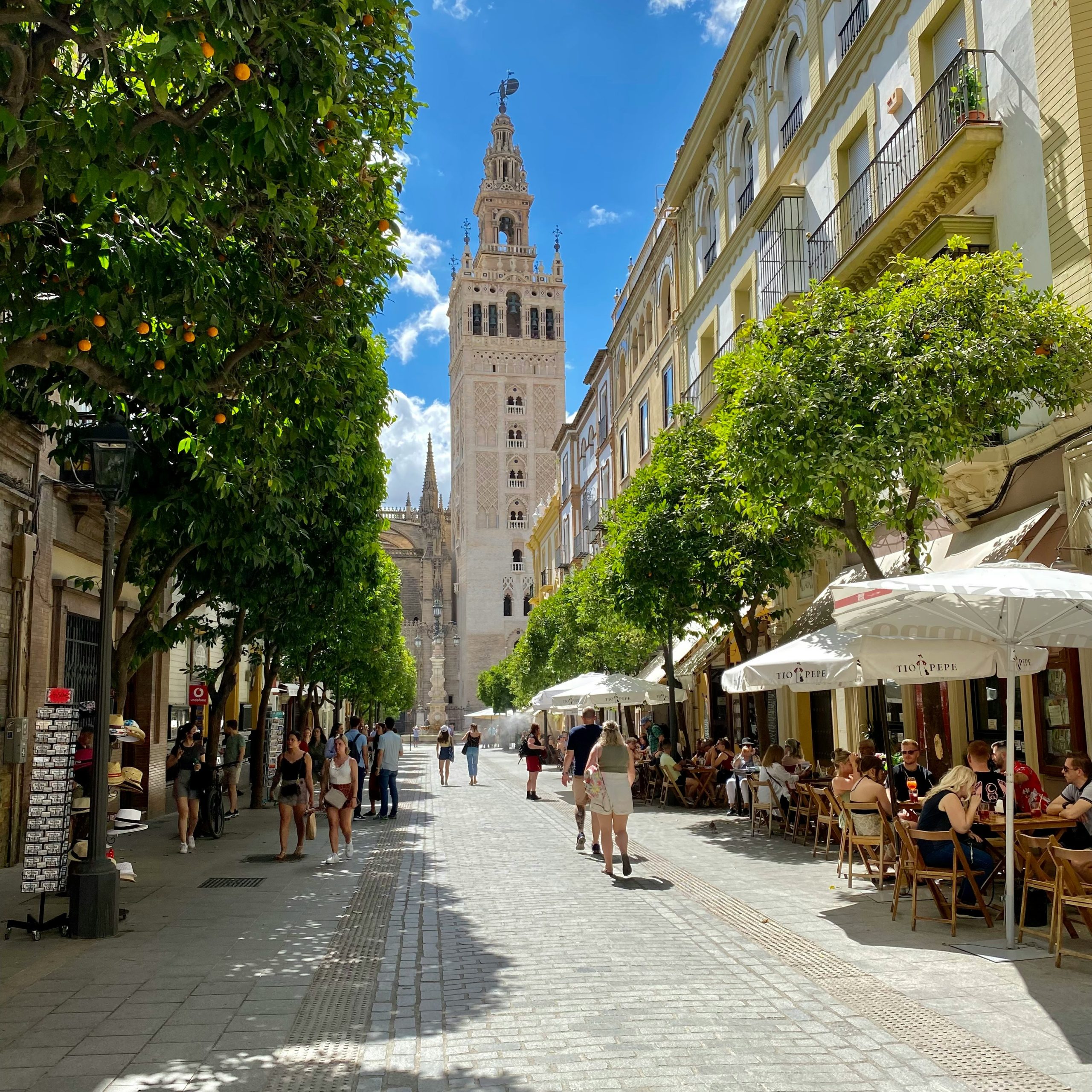
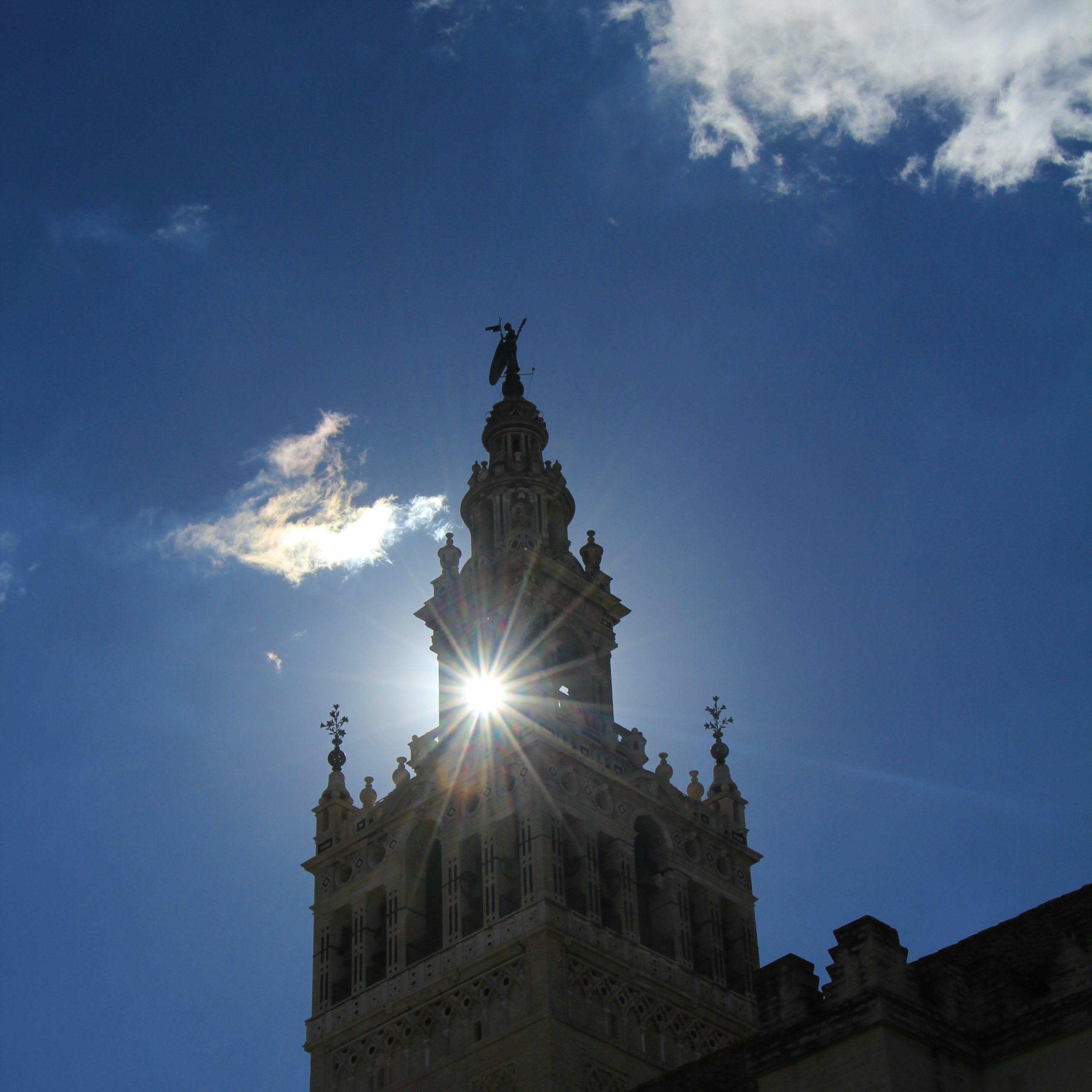
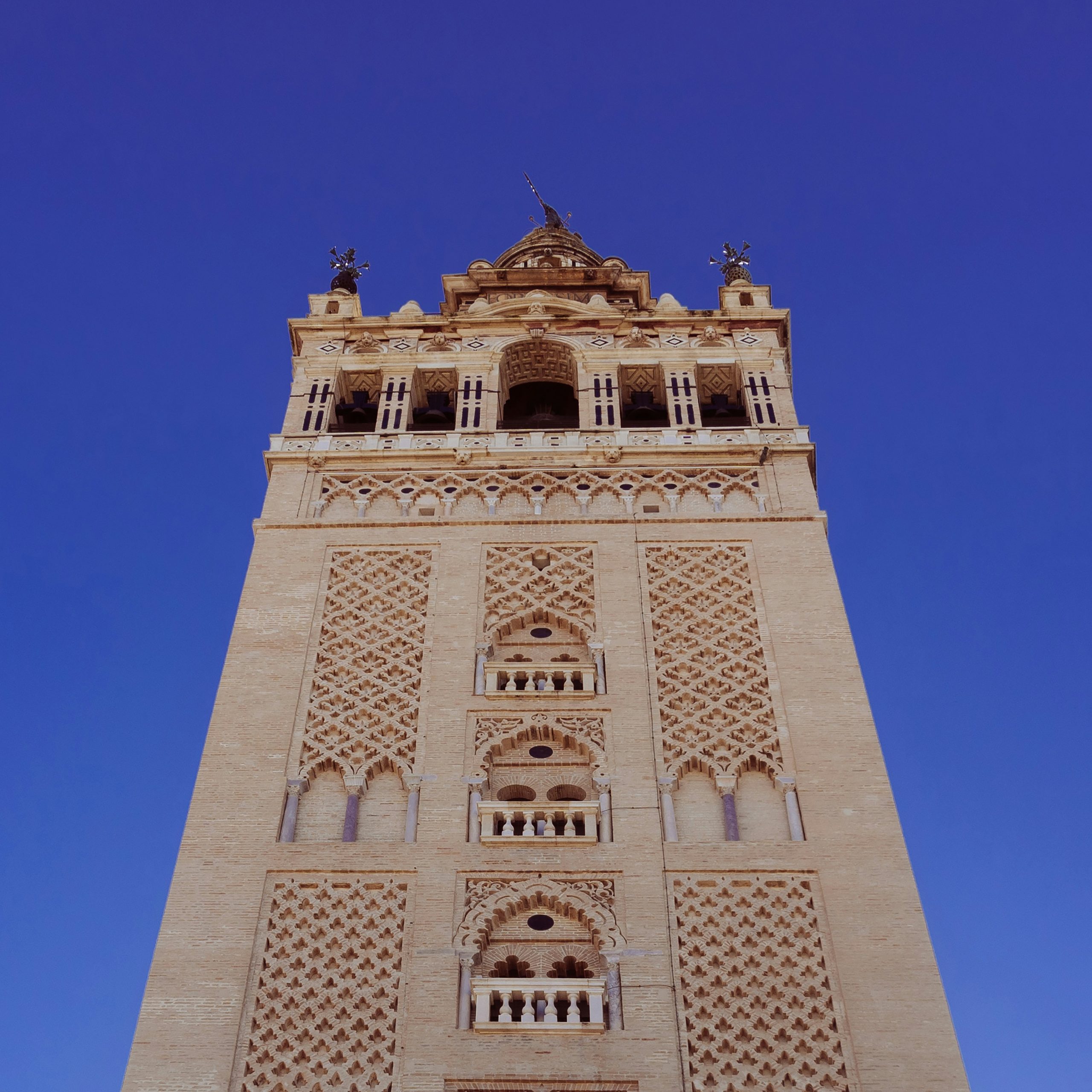
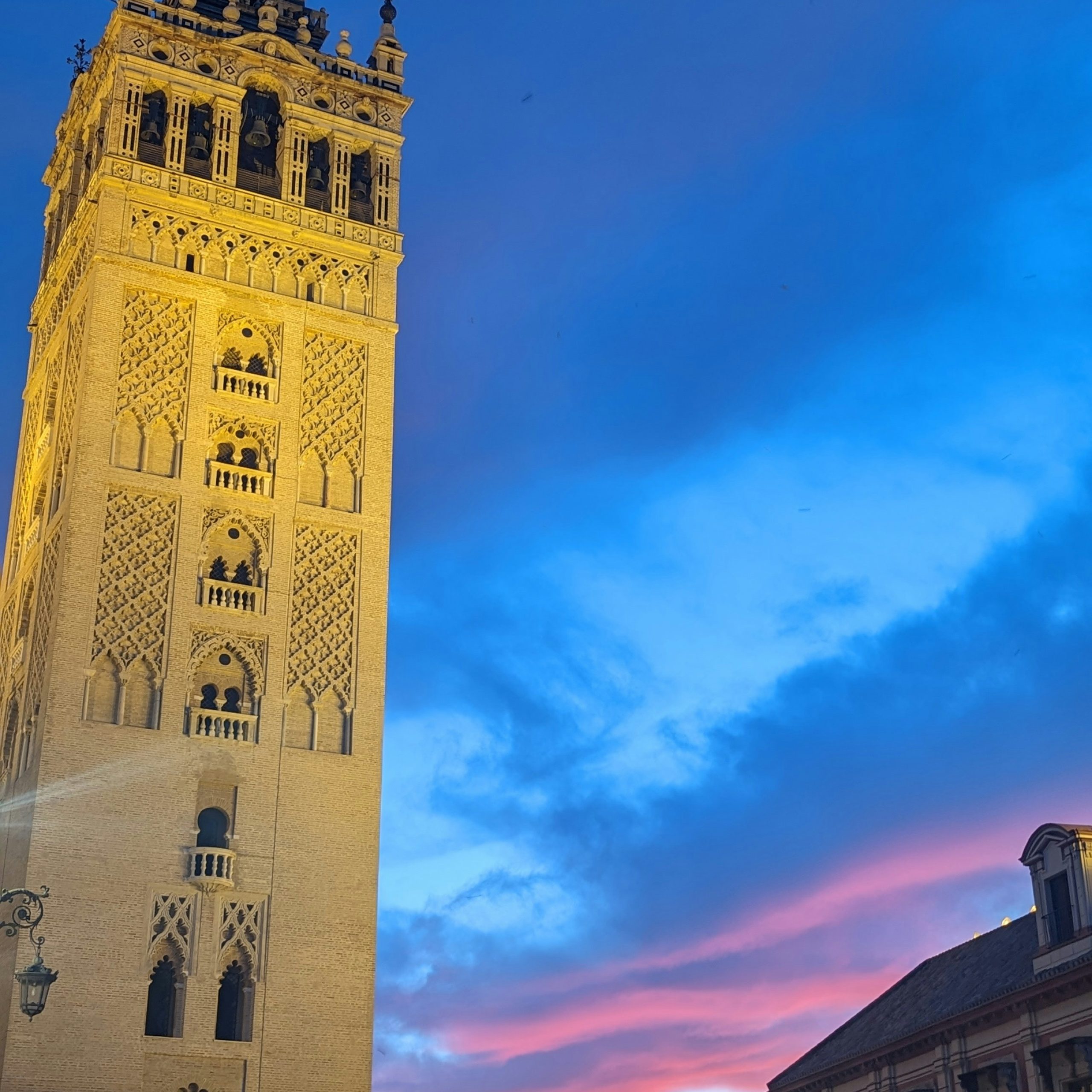
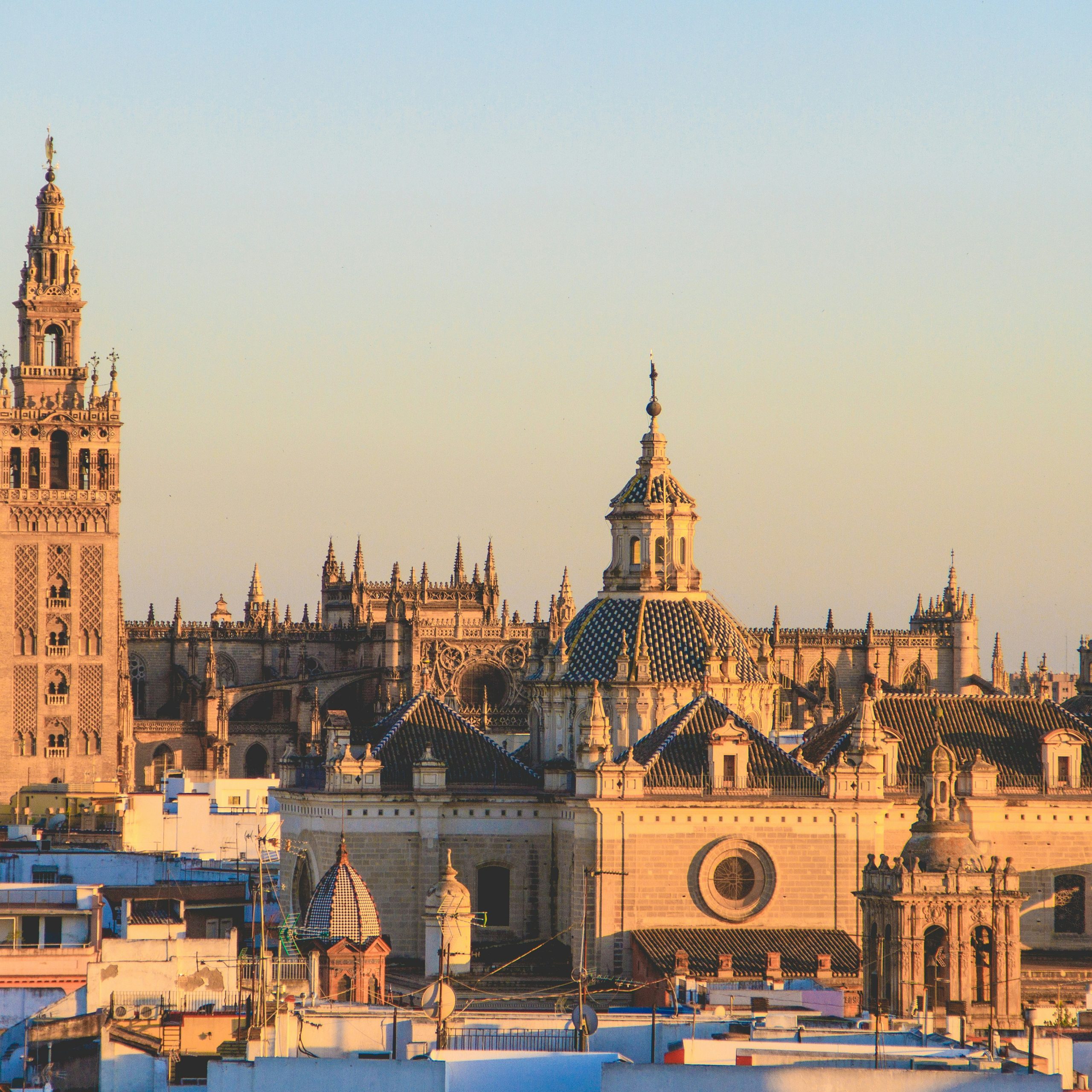
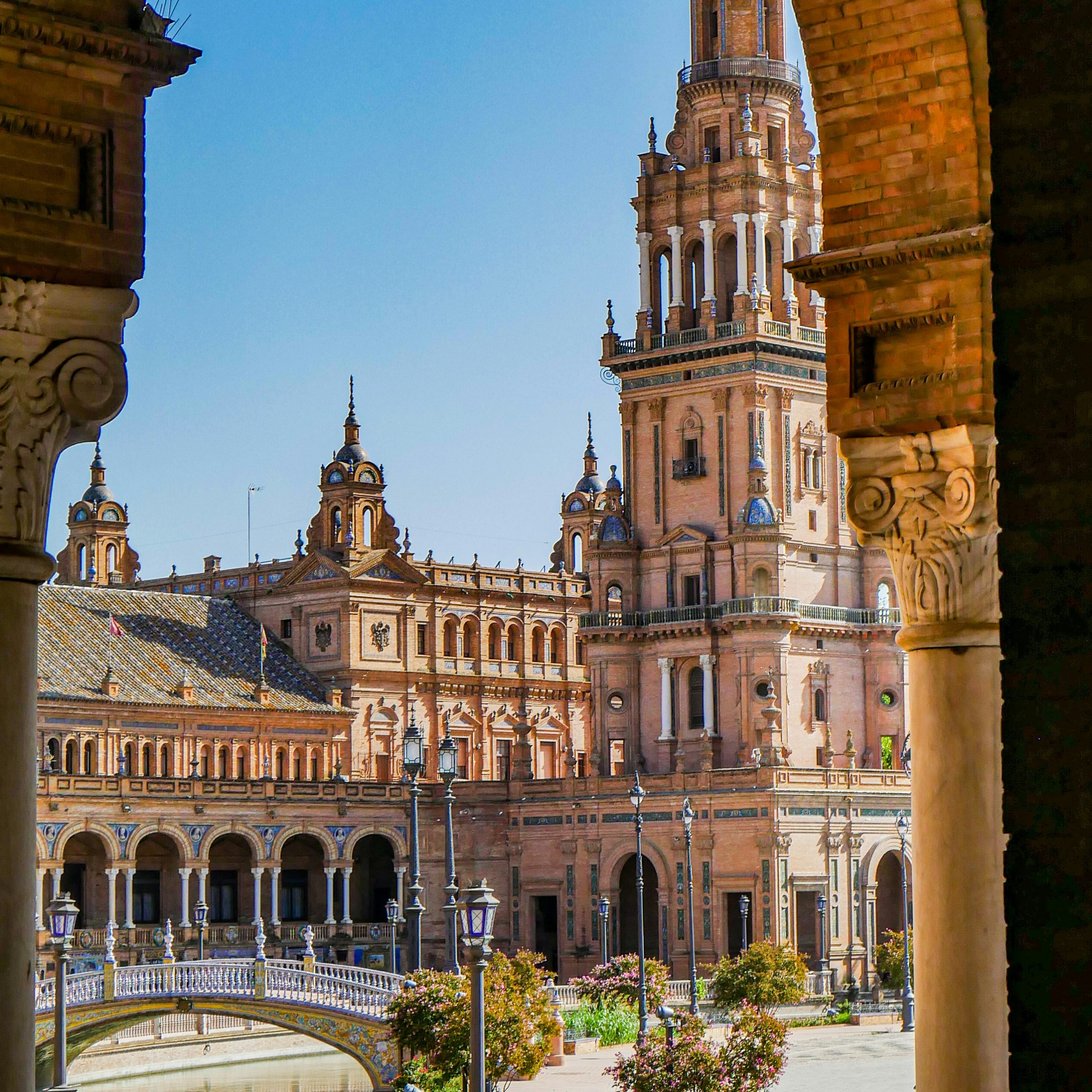
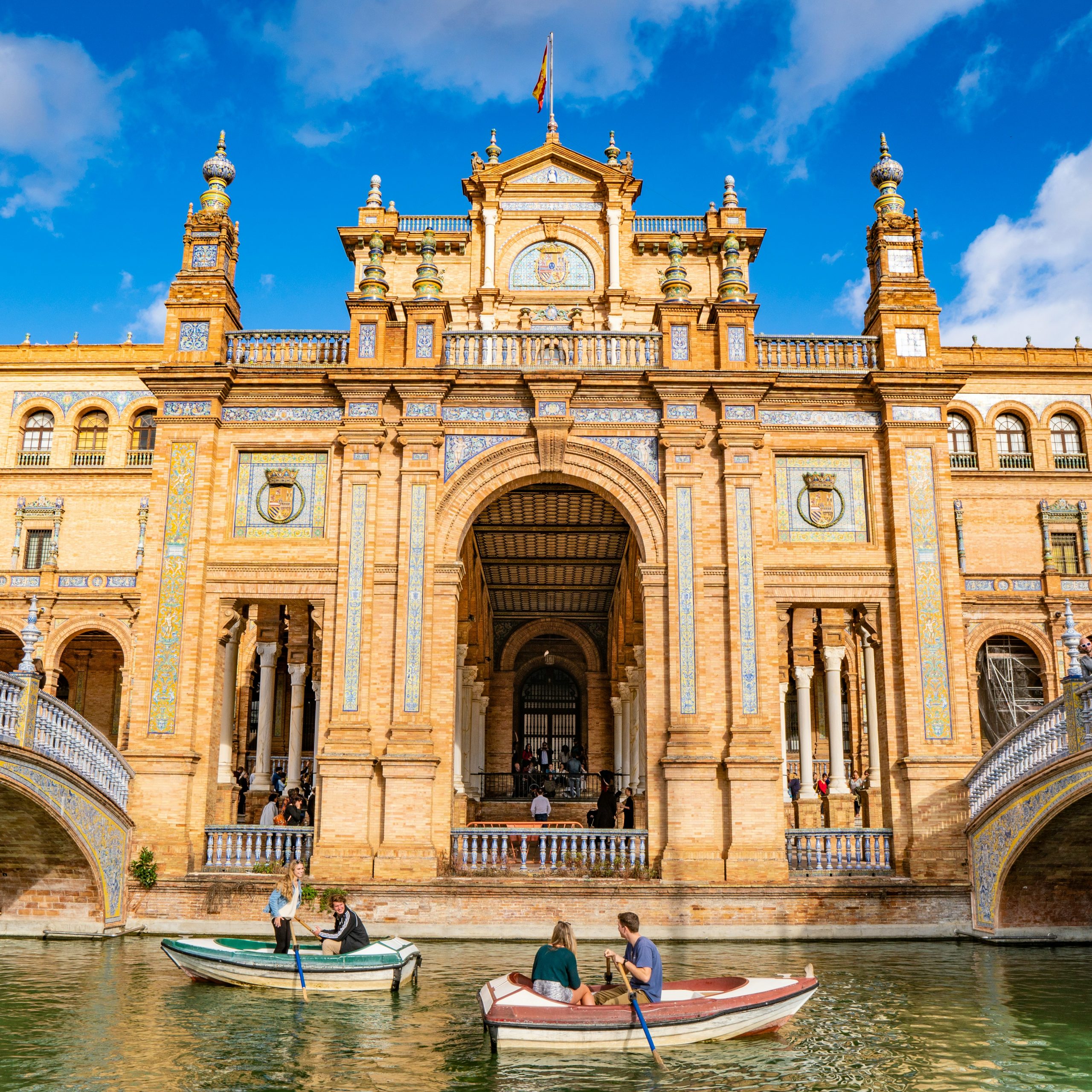
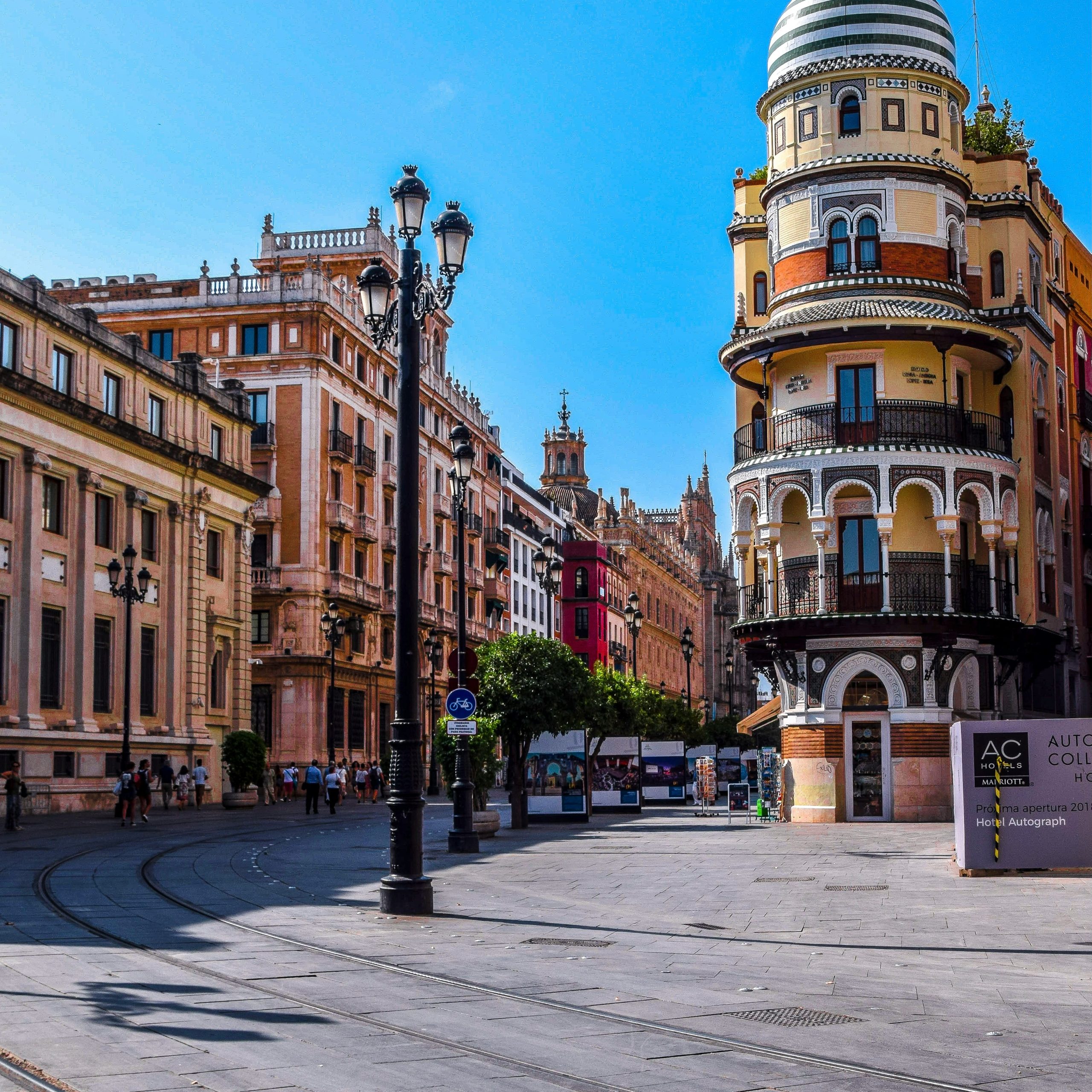
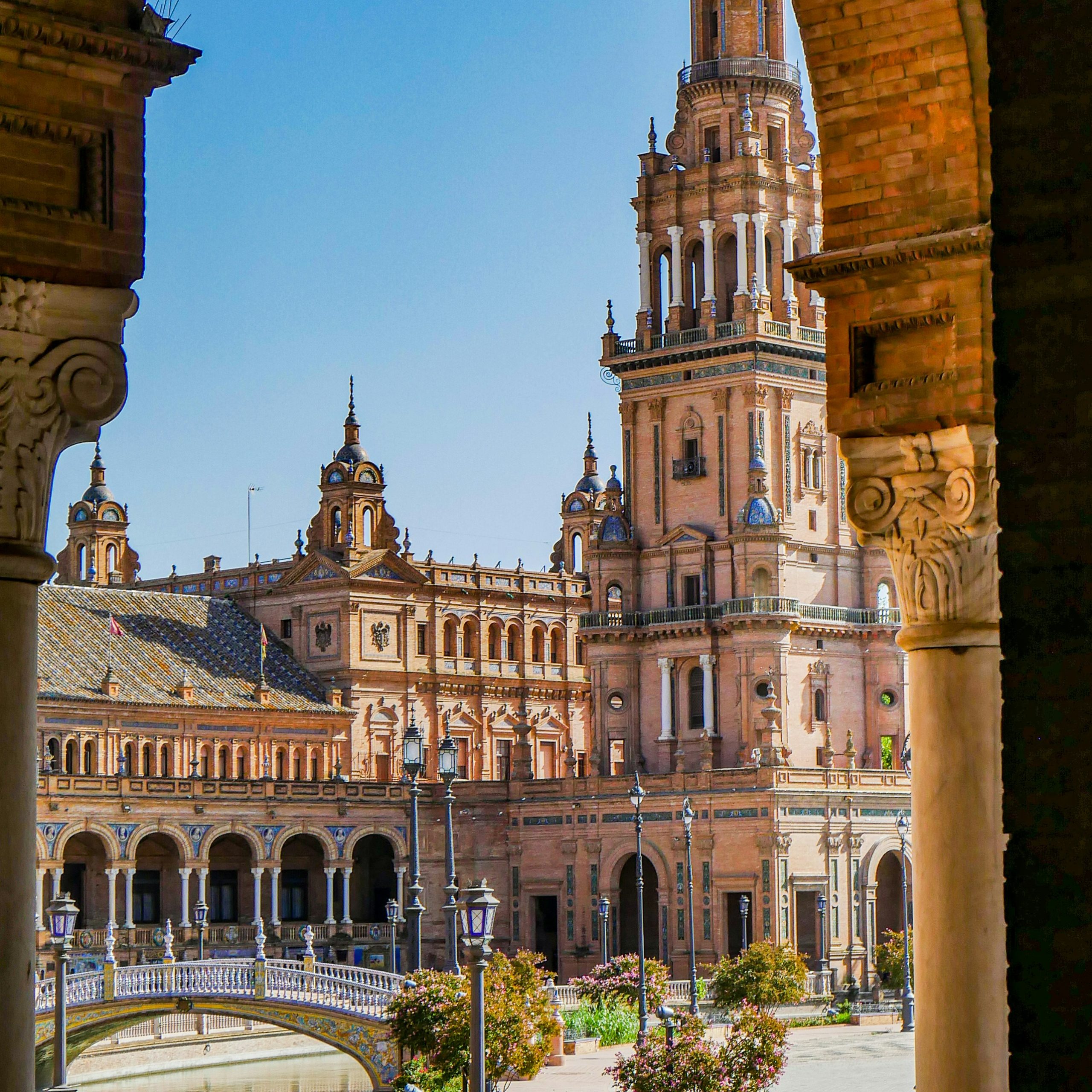
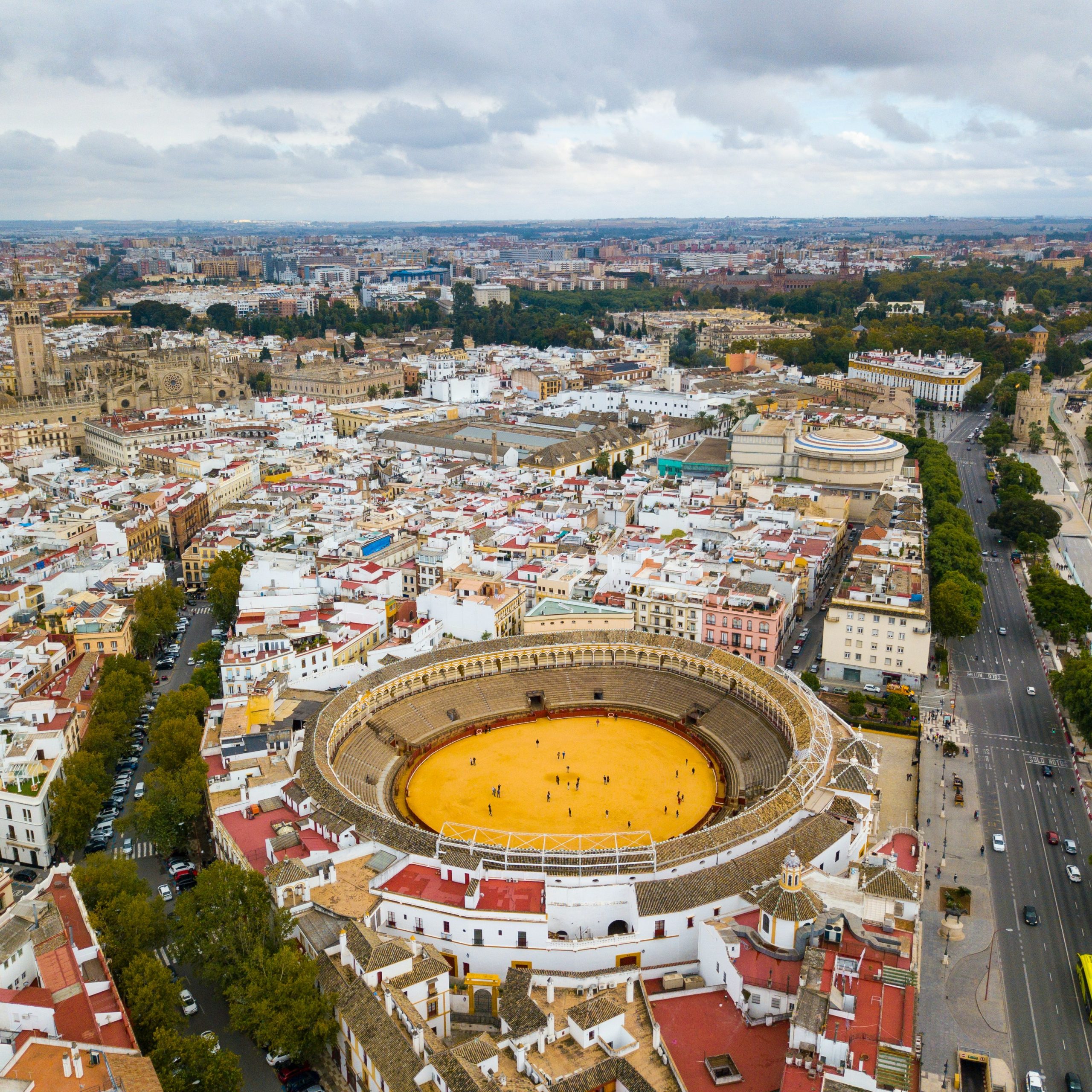
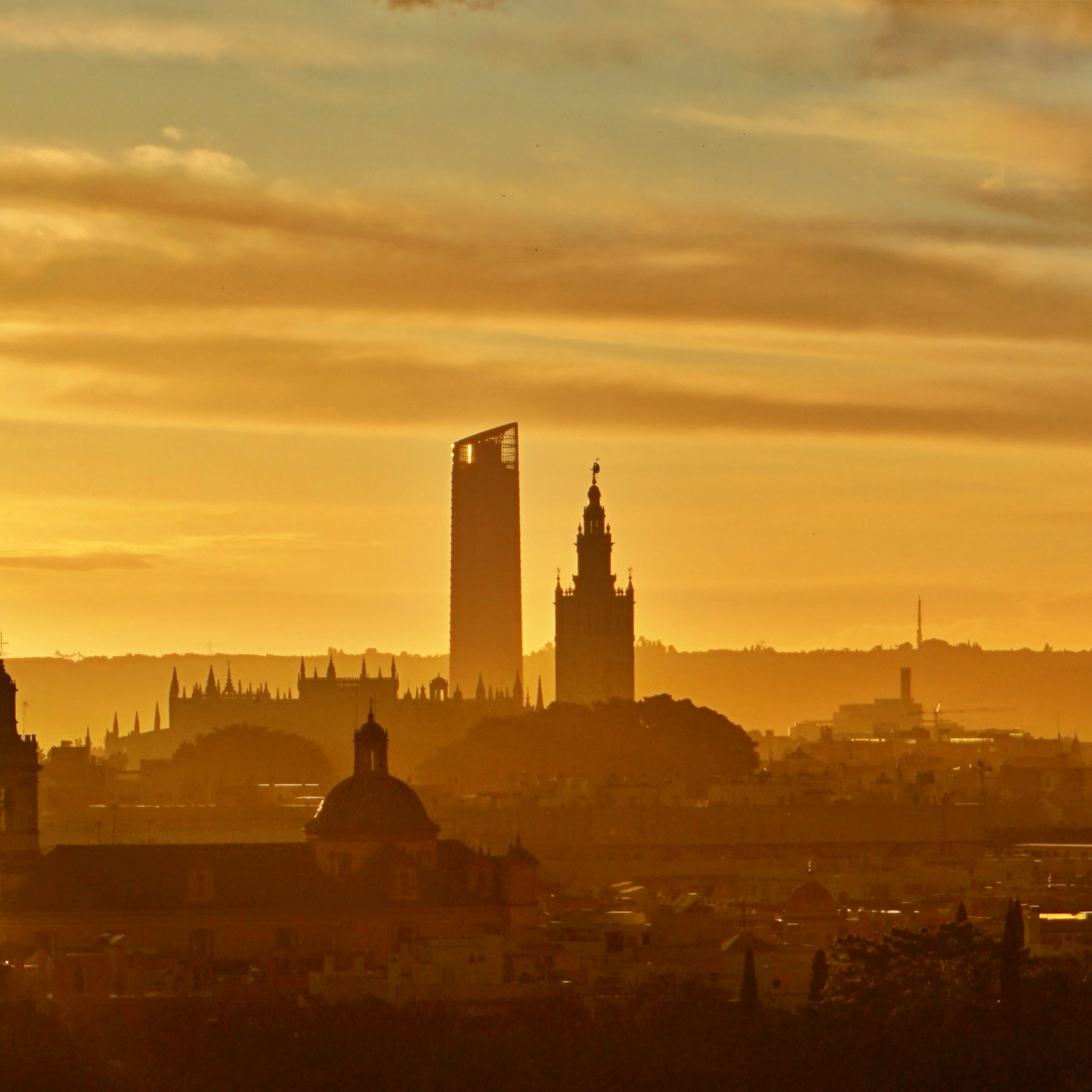
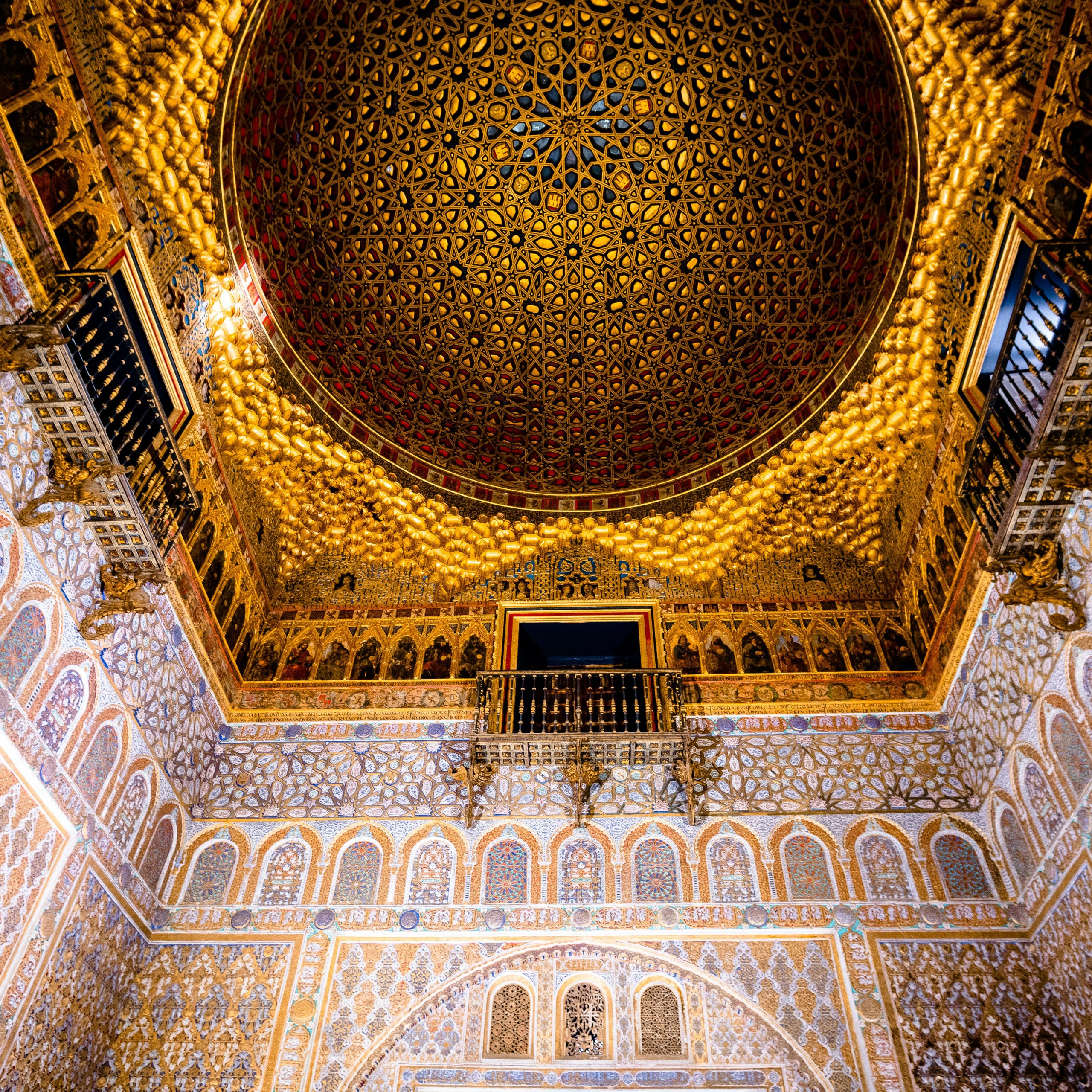
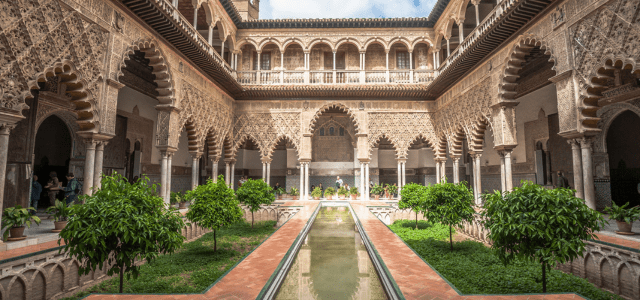
Morning: La Giralda and the Cathedral — the former Almohad Mosque. Climb the horse ramp to the top of the minaret. The Real Alcázar — Mudéjar masterpiece. Gardens designed with Islamic principles of water, symmetry, and shade.
Afternoon: Torre del Oro. Barrio Santa Cruz (old Jewish quarter). Iglesia del Salvador, built on the foundations of the Abbadid Mosque — your guide will show you the column bases and minaret base still visible within the church.
Did you know? Seville's orange trees were first planted by the Almohads. The bitter Seville orange used in British marmalade is a direct legacy of Al-Andalus.
Overnight in Seville
"Before the Moors, before the Visigoths — Rome was here"
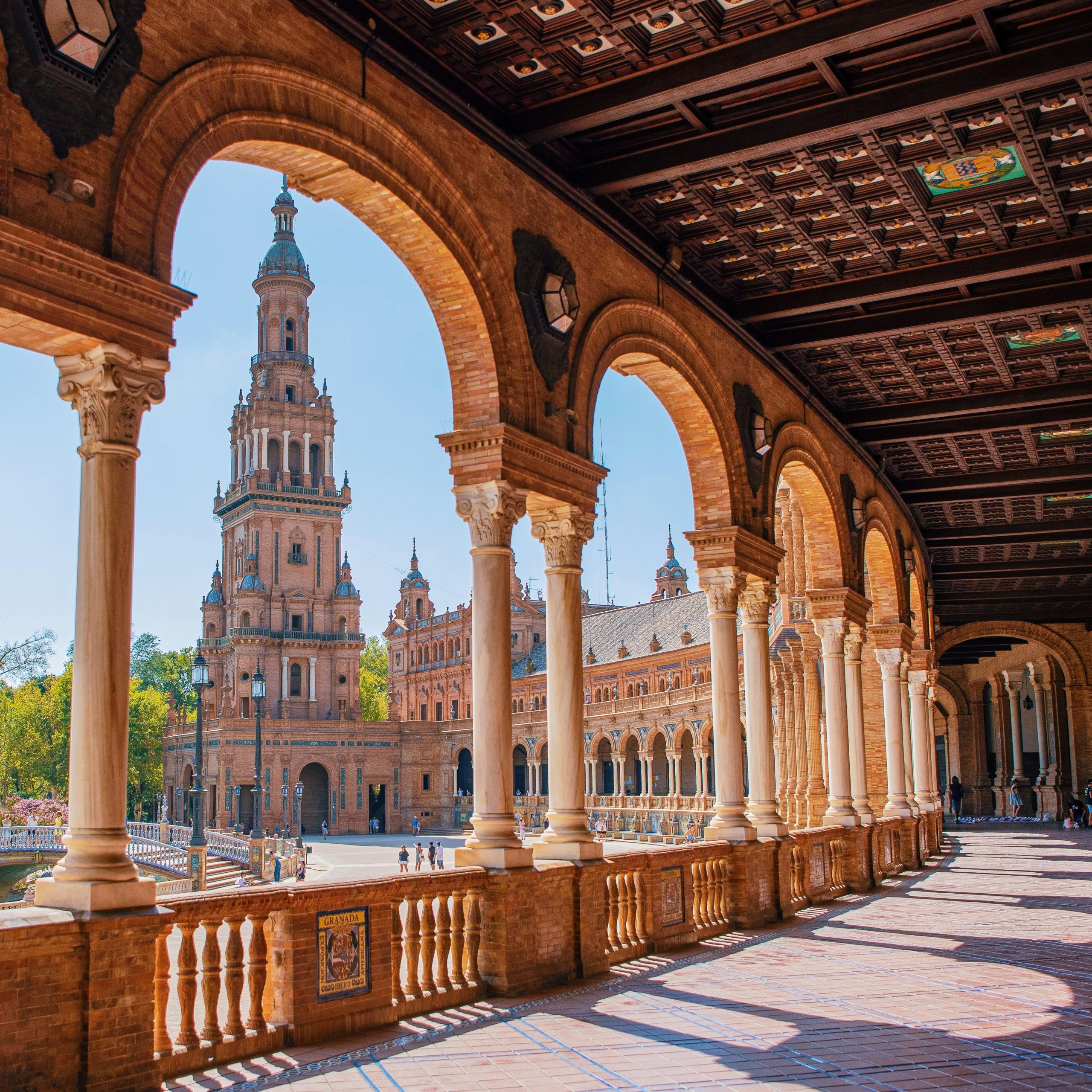
Morning: Itálica — the Roman city where emperors Hadrian and Trajan were born. Walk through the amphitheatre (capacity: 25,000), mosaic-floored villas, and colonnaded streets. Understand how Al-Andalus inherited and transformed the classical world.
Afternoon: La Buhaira (Almohad pleasure gardens). Las Setas / Antiquarium (Roman ruins beneath modern Seville). Madrasah Al-Andalusia — where Islamic scholarship continues today.
Evening free. Optional hammam experience (Silver and Gold packages).
Did you know? Scenes from Game of Thrones were filmed at Itálica's amphitheatre — bringing millions of new visitors to ruins that waited 2,000 years to be famous again.
Overnight in Seville
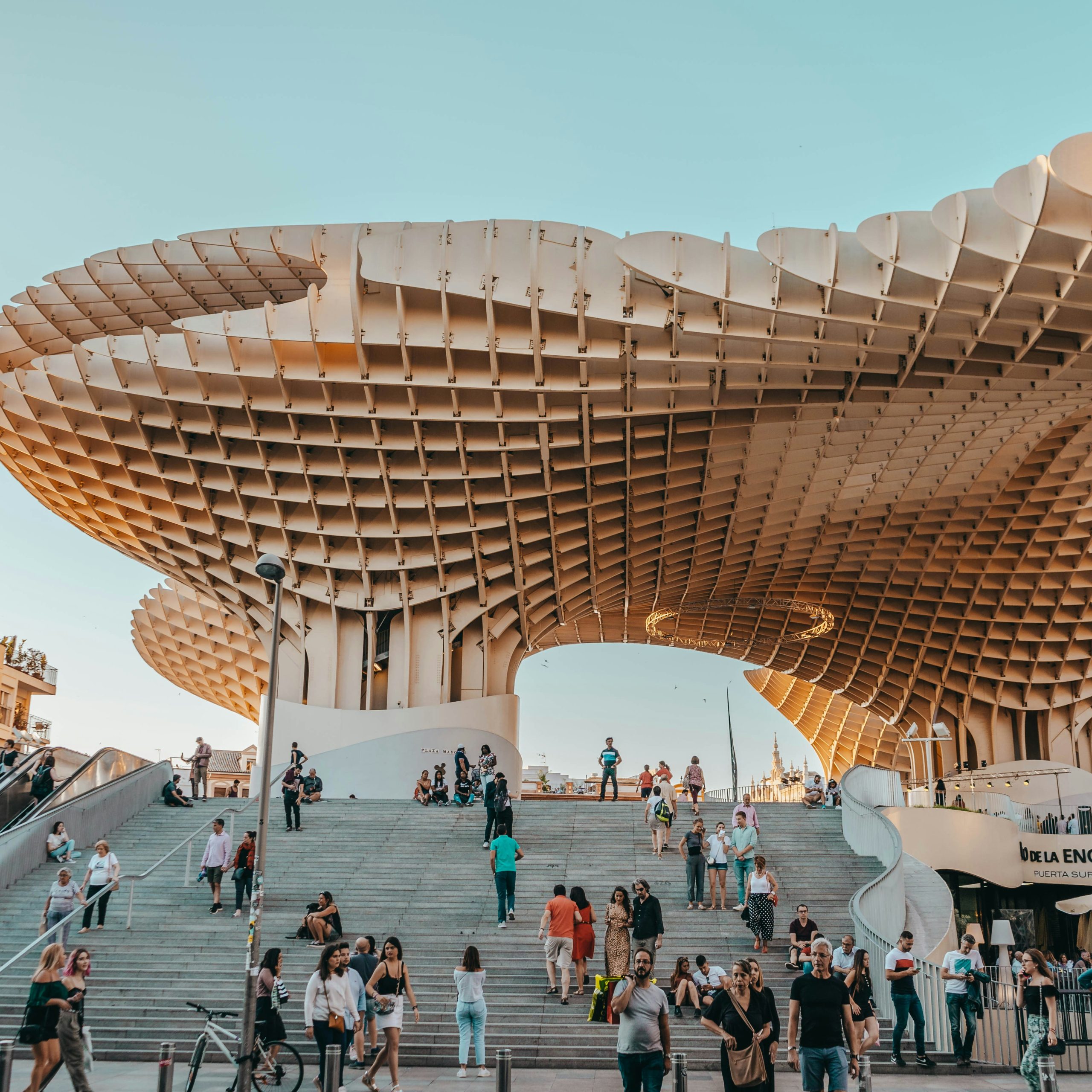
"The luxury of time — explore, wander, and let the city reveal itself"
A full free day. This is what makes The Golden Cities different from every other tour — the understanding that some of the best travel moments are unplanned.
Your guide will provide a curated list of suggestions: a walk along the Guadalquivir at dawn, the Triana neighbourhood's ceramic workshops, the quiet churches that hide unexpected treasures, the markets where the legacy of Al-Andalus lives on in the spices, the sweets, and the language itself.
Or do nothing at all. Sit in a plaza. Write in your journal. Watch the city move around you. Seville rewards those who give it time.
Did you know? Over 4,000 words in the Spanish language come directly from Arabic — including almohada (pillow), azulejo (tile), aceite (oil), and ojalá (God willing, from insha'Allah).
Overnight in Seville
"Where the earth splits open and an ancient medina clings to the edge"
Drive south-east through olive groves and white villages to Ronda (~1.5 hours).
Morning: The Tajo gorge — 120 metres deep. Puente Nuevo. The Arab Baths with star-shaped skylights. Walk the old medina of La Ciudad, past the Minaret of San Sebastián and through the gates of the Islamic walls.
Afternoon: Lunch with views stretching to Africa. Drive to Málaga (~1.5 hours).
Did you know? Ronda's Arab Baths used a noria (water wheel) to channel river water up through the gorge — engineering that still impresses hydraulic experts today.
Overnight in Málaga
"Three thousand years of civilisation, from Phoenician traders to Hammudid sultans"
A full day to explore Málaga at a relaxed pace.
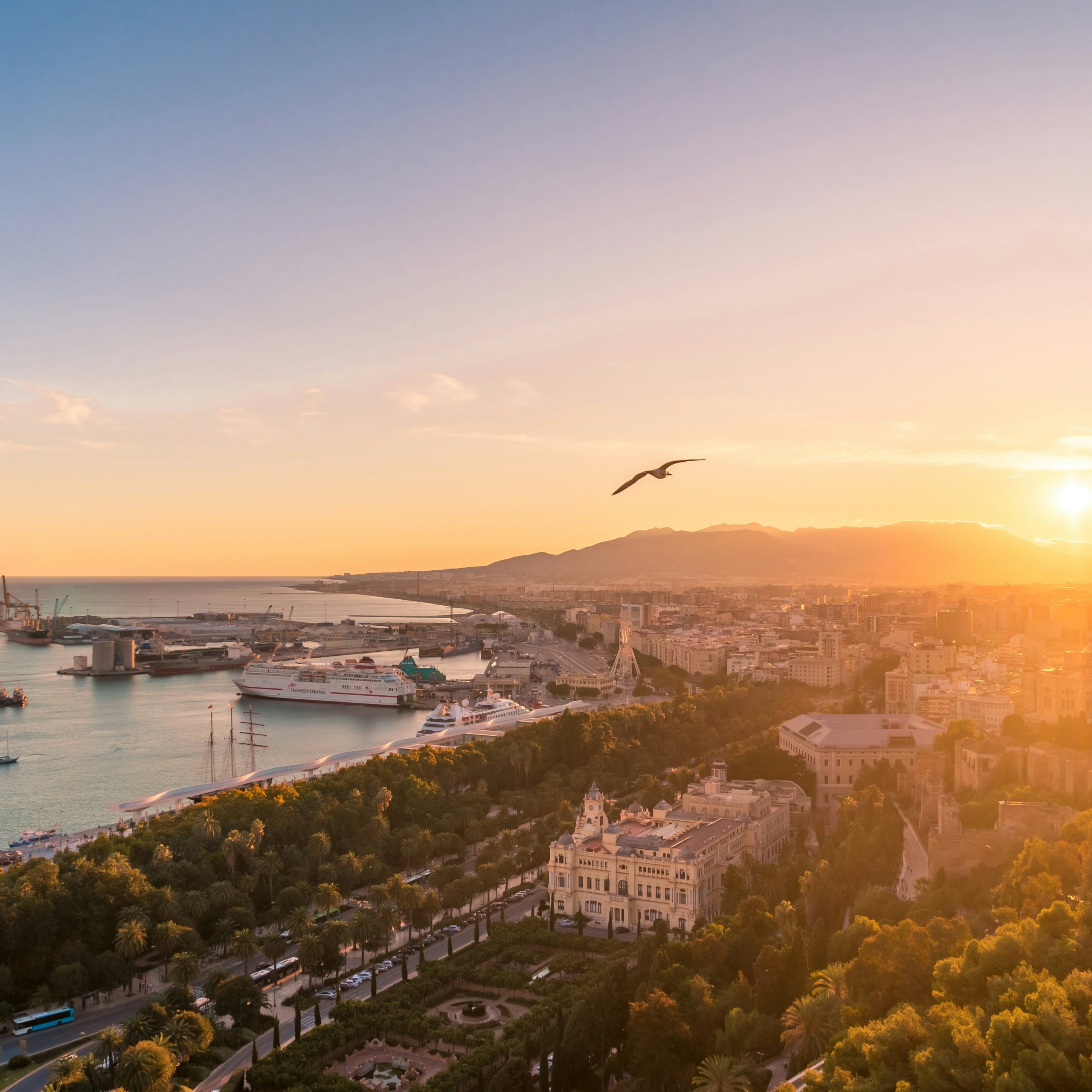
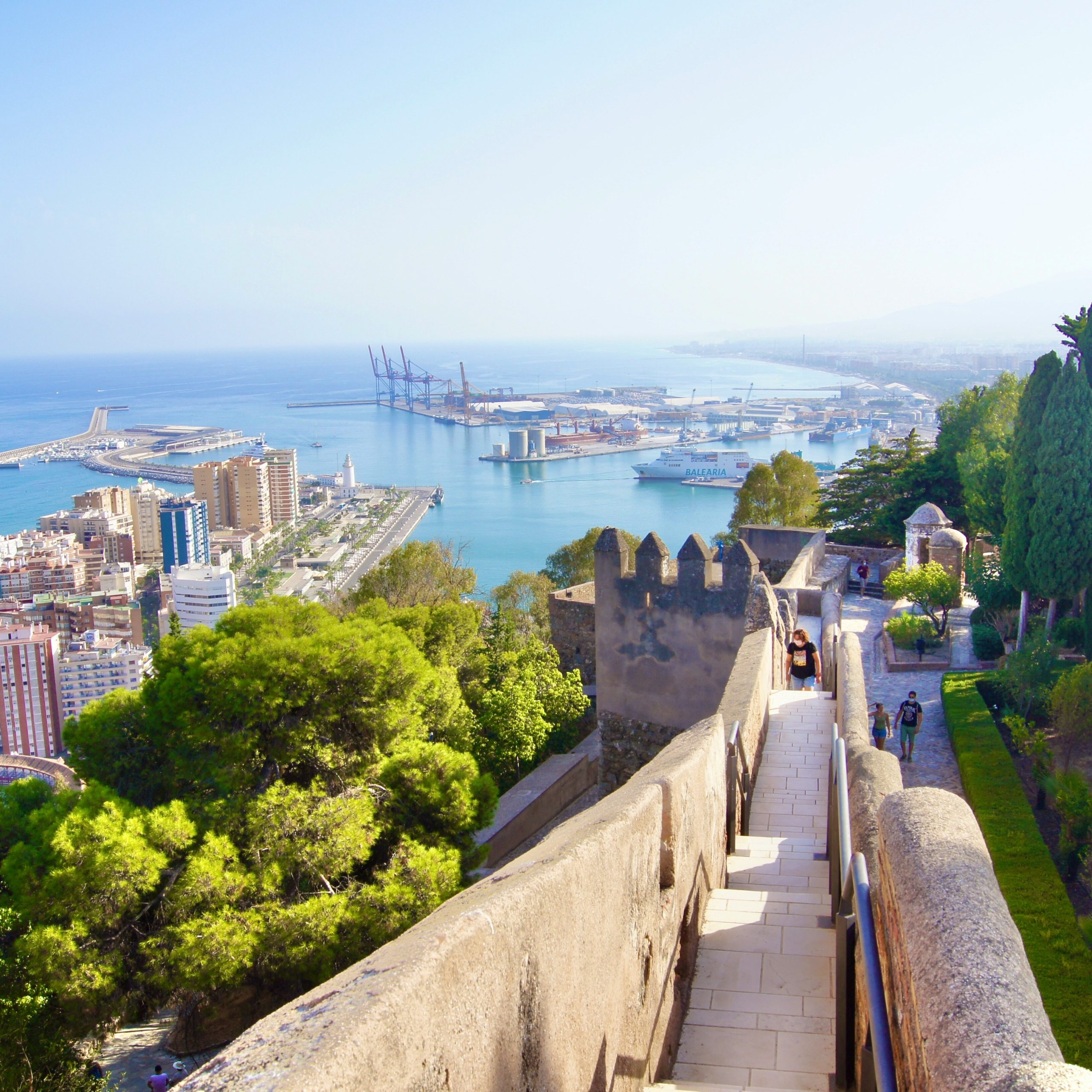
Morning: The Alcazaba — the 11th-century Islamic fortress with its double walls and fountained courtyards. Continue to the Castillo de Gibralfaro for panoramic views. Walk through the old town past the Roman Theatre and the city's layered history.
Afternoon: Free time. Options include the Museo Picasso (born in Málaga), a walk along the port, the Gran Mezquita de Málaga, or simply enjoying the Mediterranean atmosphere. Your guide will provide recommendations tailored to your interests.
Did you know? Málaga has been continuously inhabited for nearly 3,000 years. The Alcazaba was built by the Hammudid dynasty in the 11th century and is one of the best-preserved Islamic fortresses in Spain.
Overnight in Málaga
"The final kingdom — where Al-Andalus made its most beautiful stand"
A scenic morning drive from Málaga to Granada (~1.5 hours), through the subtropical coast and up into the fertile Vega of Granada.
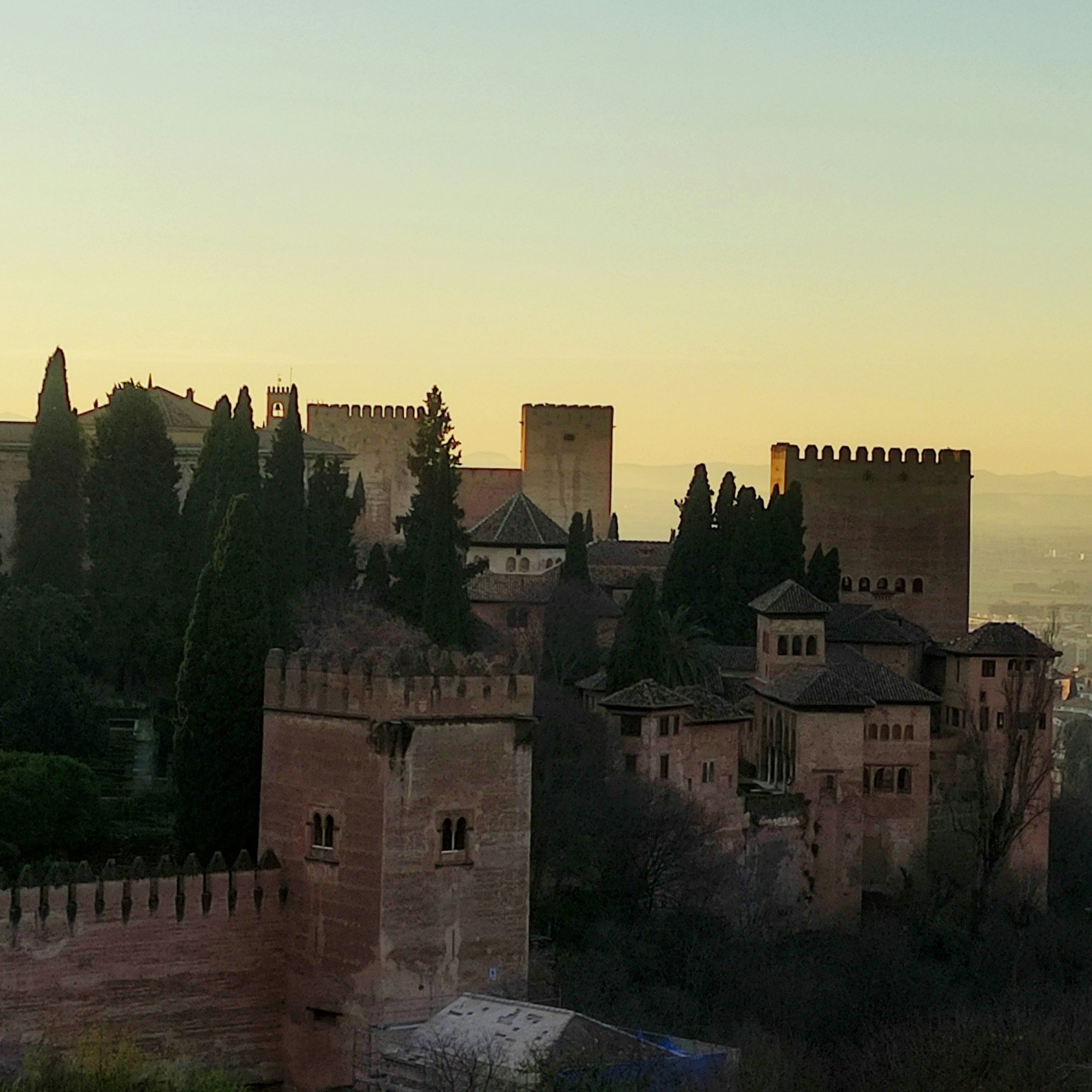
Afternoon: Explore the Albaicín, Granada's old Moorish quarter and a UNESCO World Heritage Site. Walk through narrow streets unchanged in 500 years. Visit the Mezquita Mayor de Granada, where the adhan has returned after five centuries. Explore the Alcaicería (old silk market) and the Madrasa of Yusuf I, the Islamic university founded in 1349.
End the day at a mirador with sunset views of the Alhambra — a preview of tomorrow's unforgettable morning.
Did you know? The Albaicín takes its name from the Arabic Rabad al-Bayyazin, meaning "quarter of the falconers." Its winding streets still follow the layout of the original Moorish neighbourhood.
Overnight in Granada
"Stand inside the poem that the Nasrids wrote in stone, water, and light"
A full day dedicated entirely to Granada and the Alhambra.
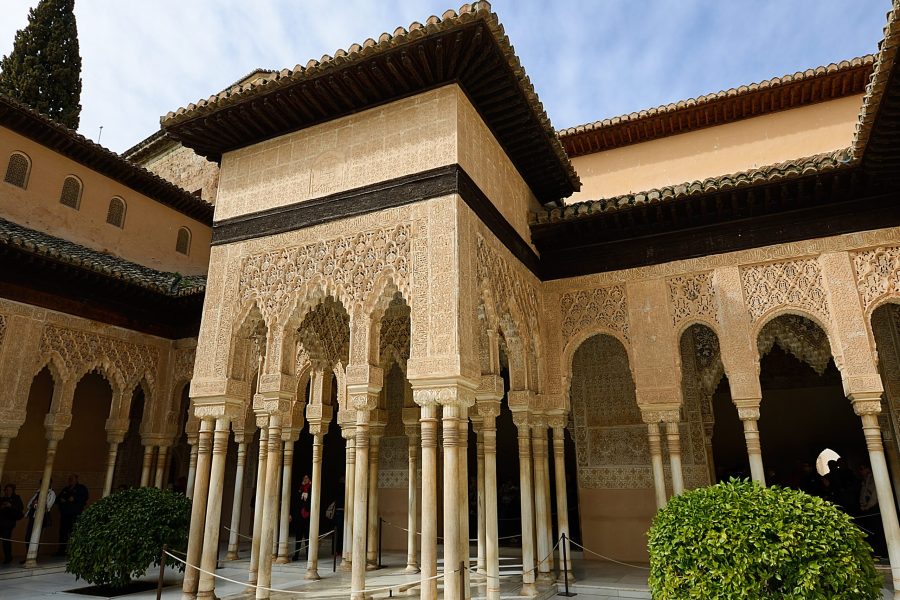
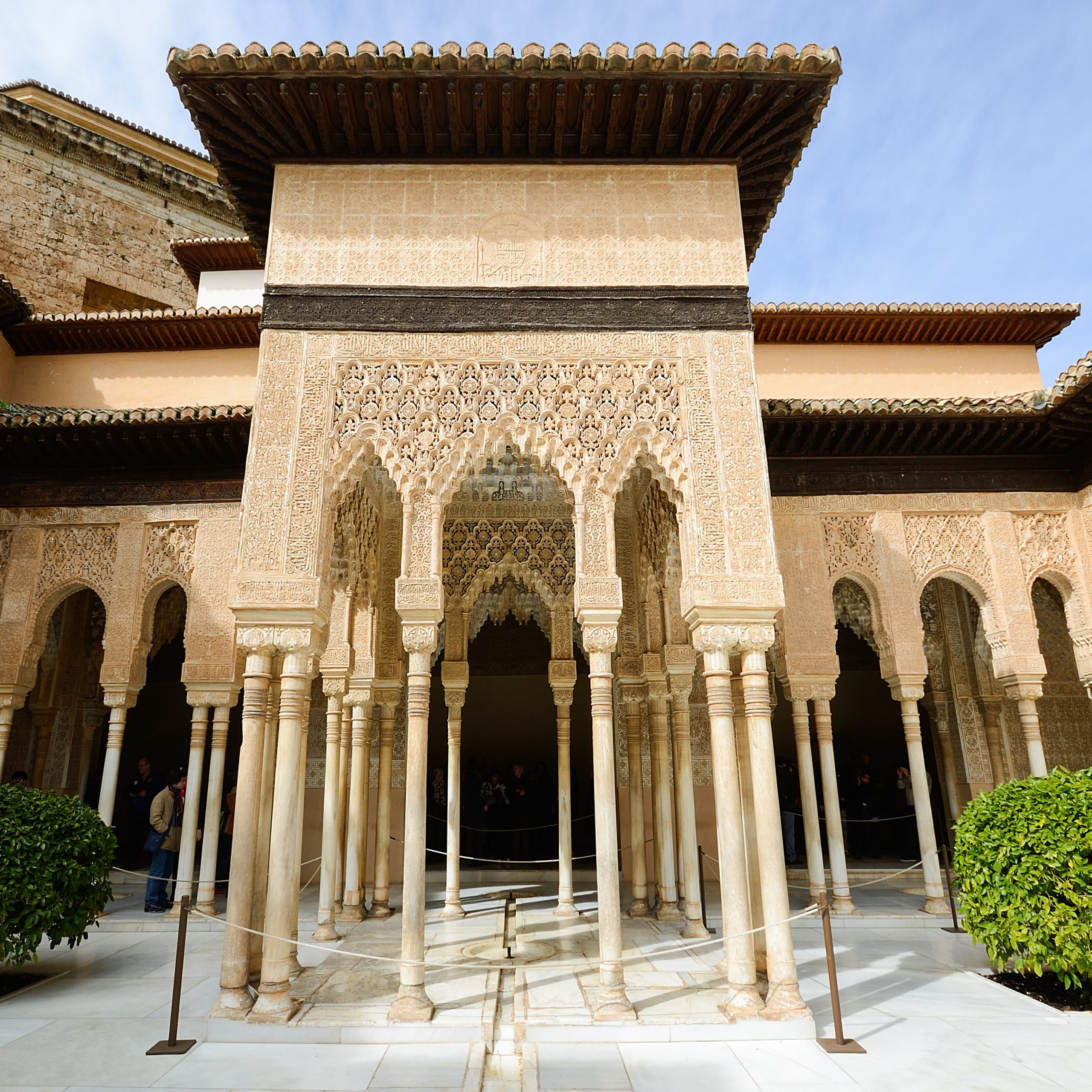
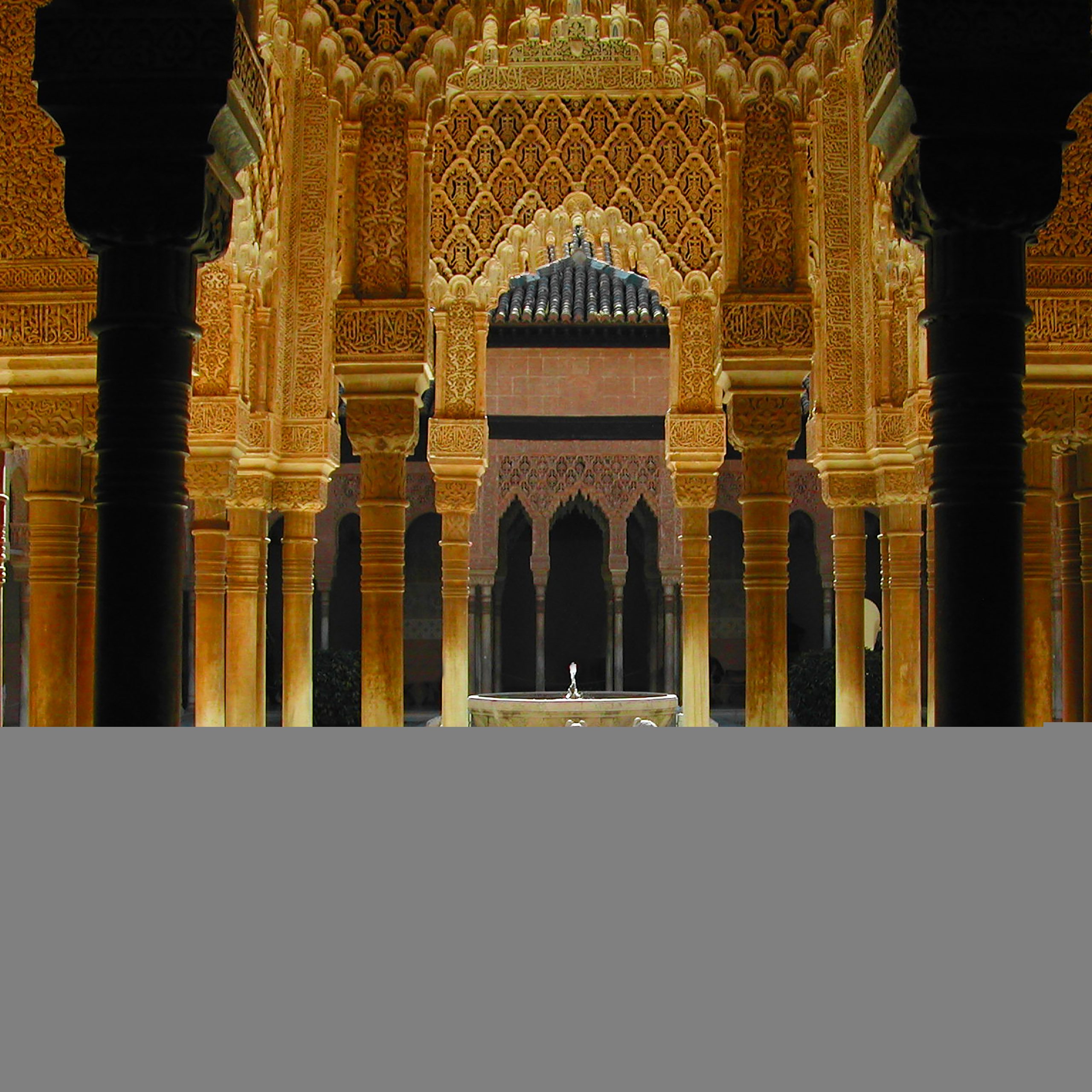
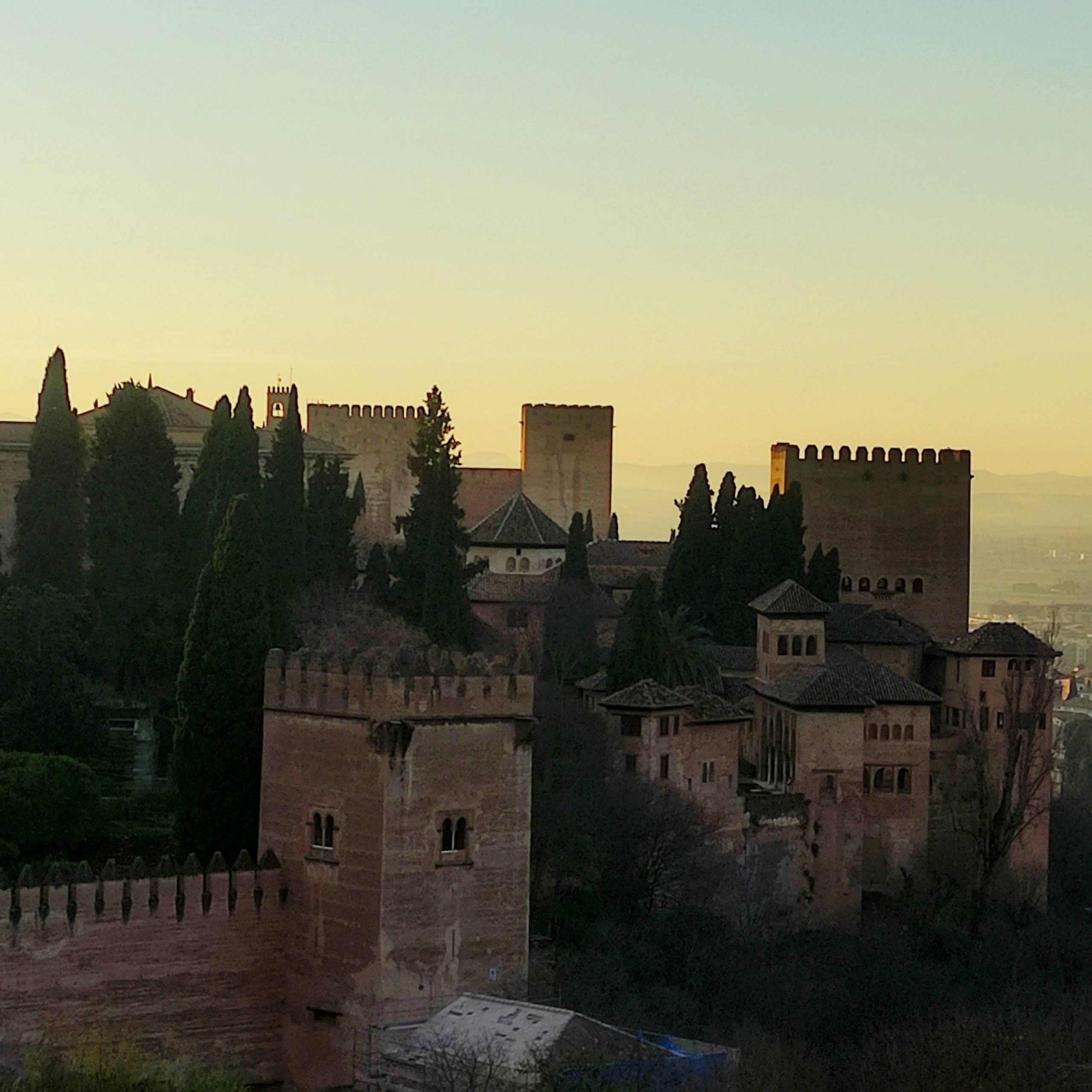
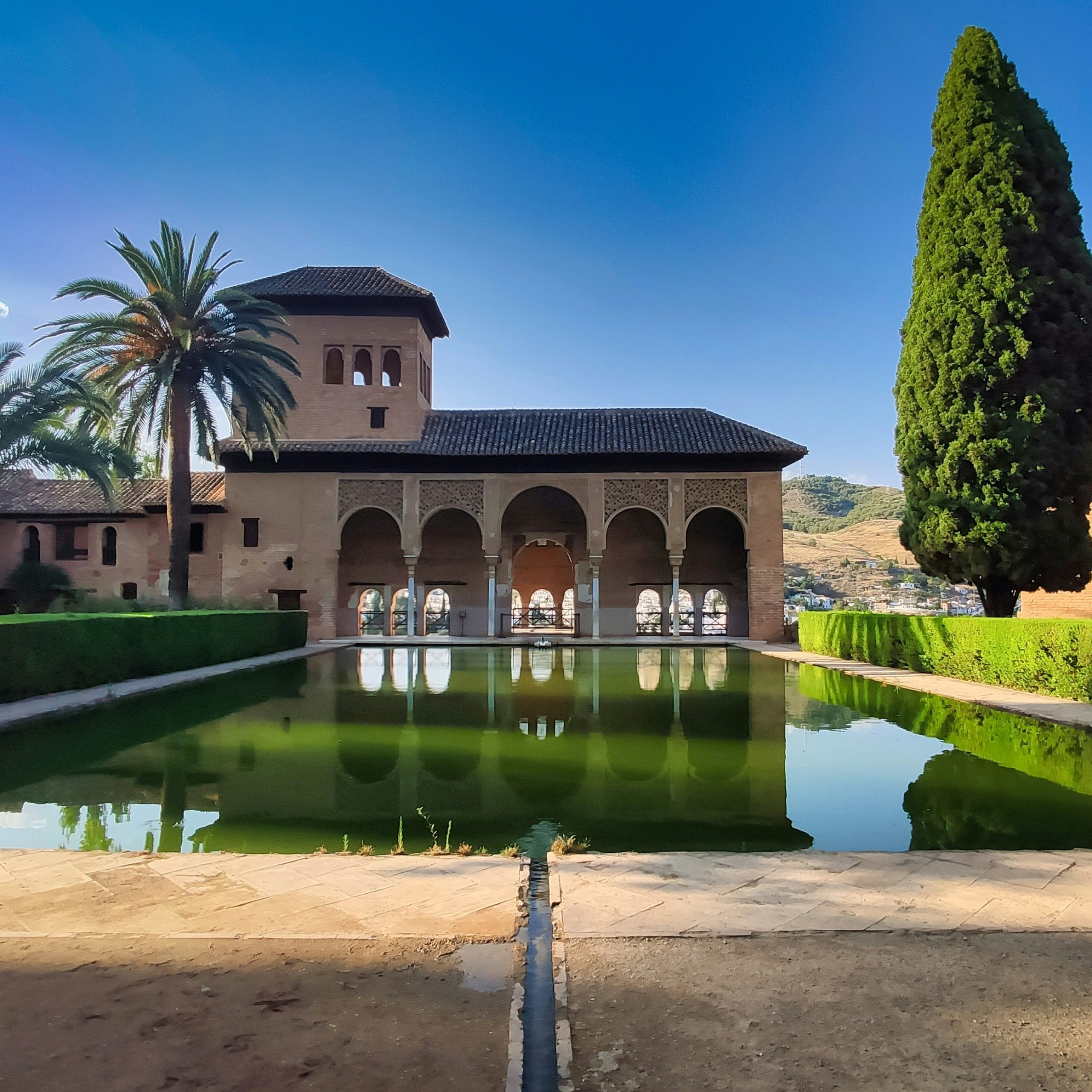
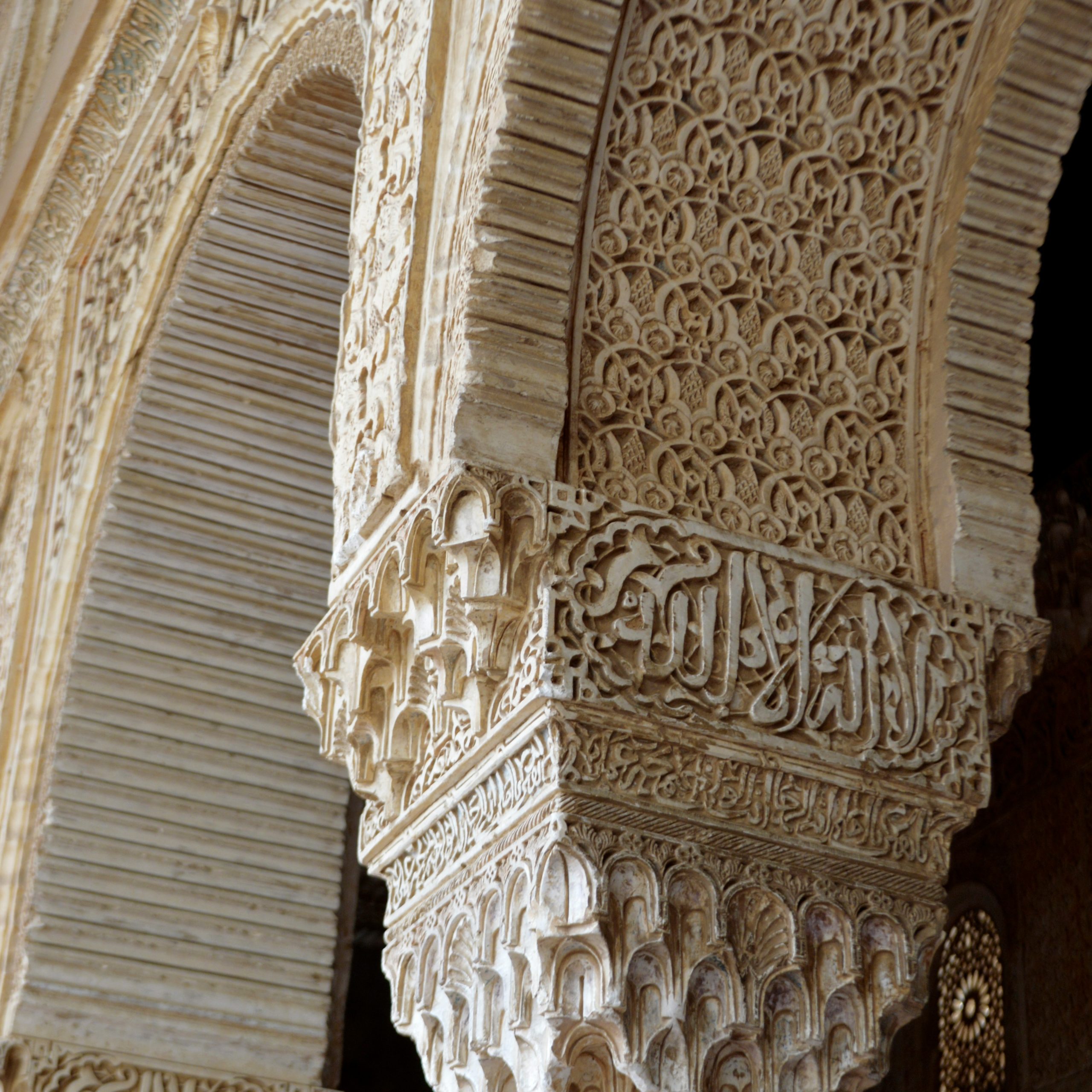
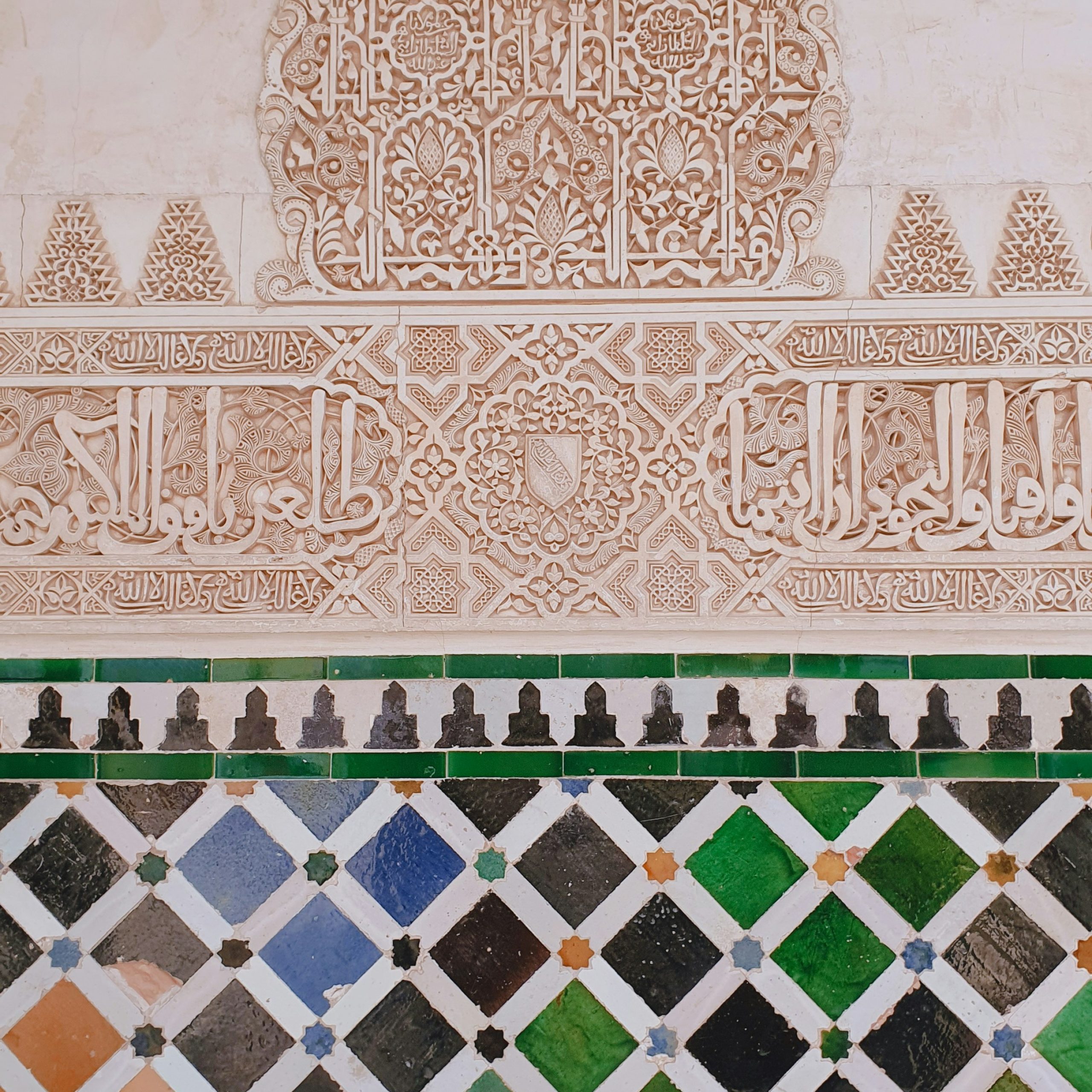
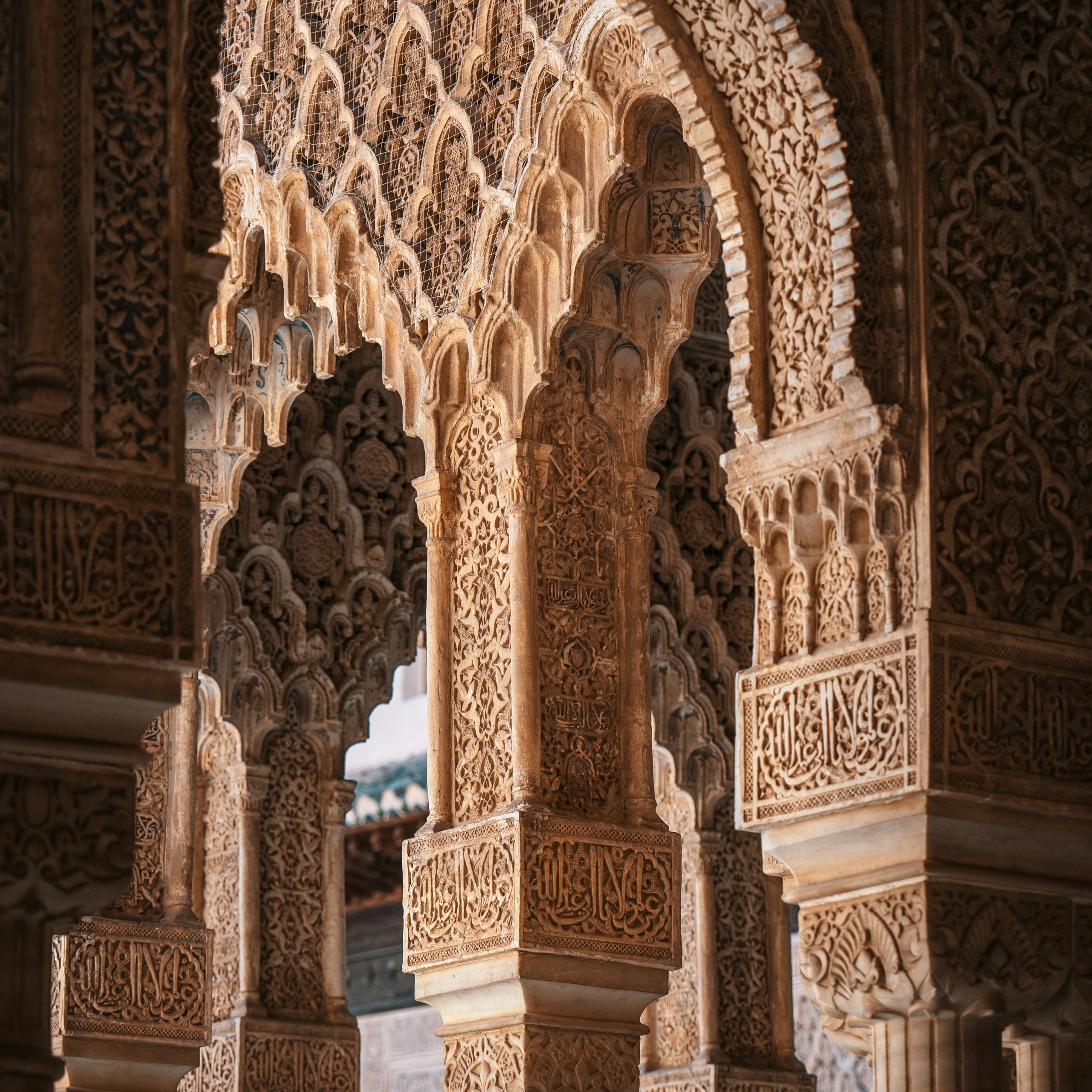
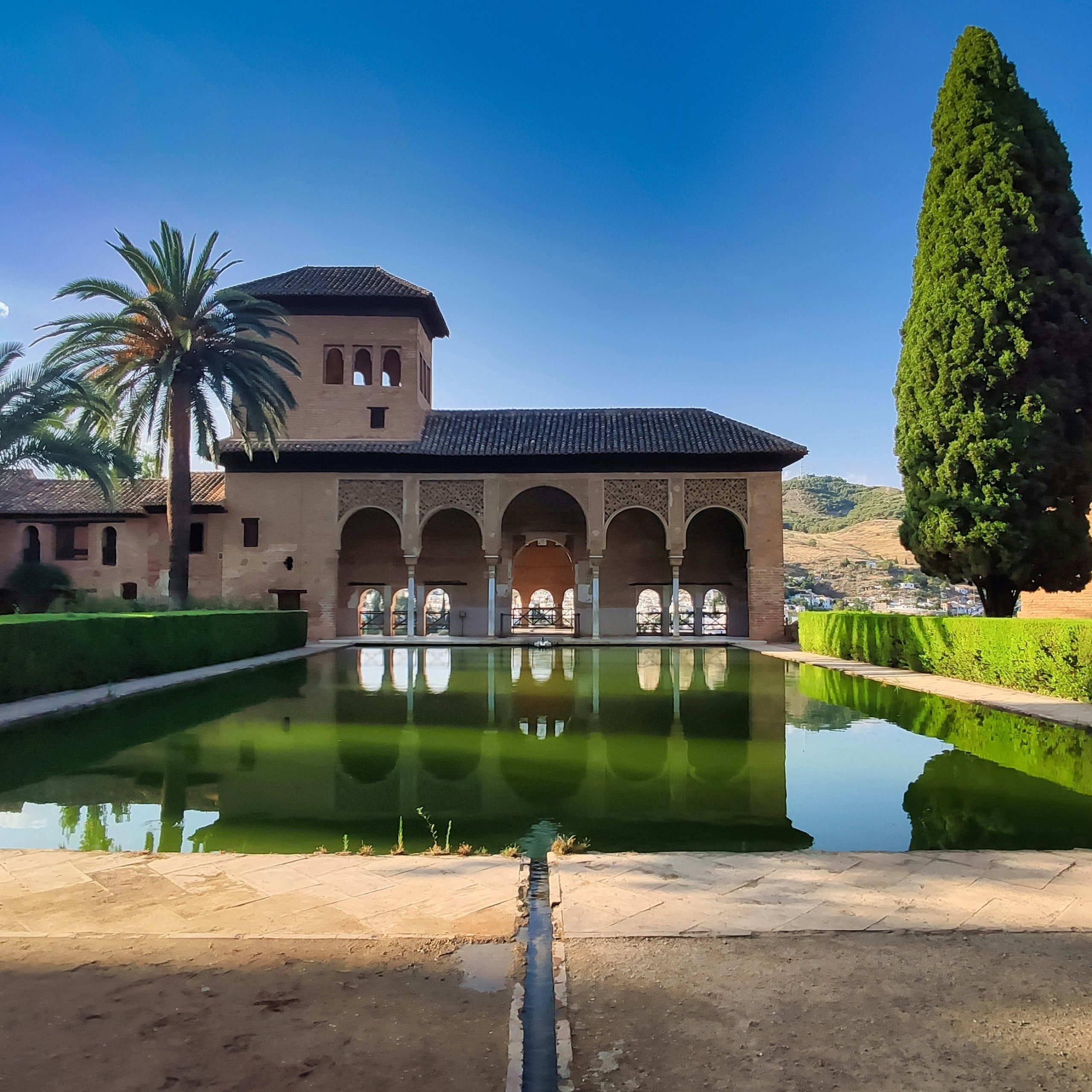
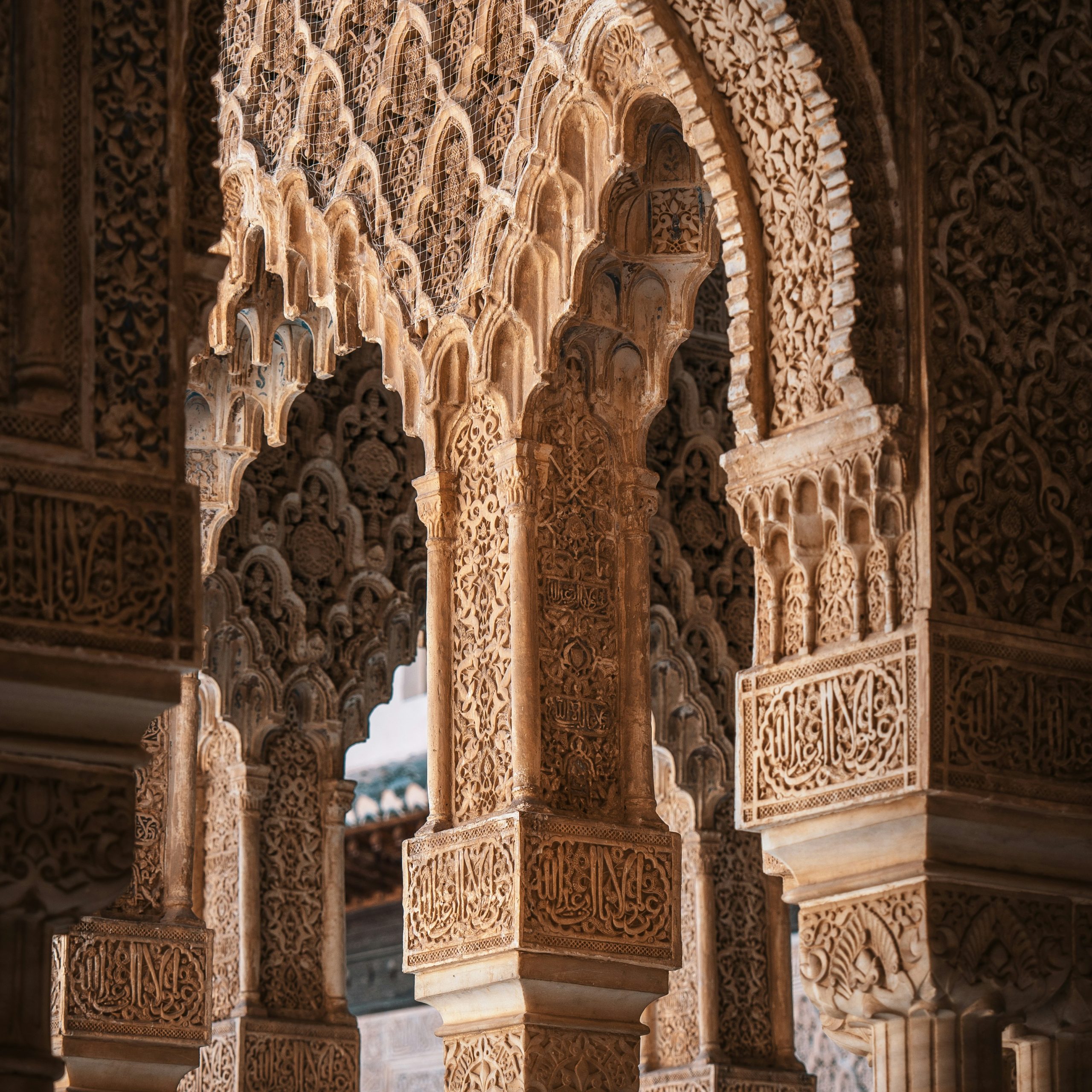
Morning: The Alhambra and Generalife — the Nasrid Palaces, where every surface is language. The Court of the Lions — a sophisticated hydraulic clock disguised as art. The Hall of the Ambassadors — 8,017 pieces of inlaid wood representing the seven heavens. The Generalife gardens, where water becomes architecture.
Afternoon: Hammam experience (Silver and Gold packages). Free time to revisit the Albaicín, explore the old town, shop in the Alcaicería, or simply sit and absorb.
Evening: optional VIP sunset dinner with views of the Alhambra (Gold package).
Did you know? "Wa la ghalib illa Allah" (There is no victor but God) — inscribed across every wall of the Alhambra, a reminder of humility at the height of artistic achievement.
Overnight in Granada
"The mountain villages where Al-Andalus refused to disappear"
Morning: Drive into the Alpujarras — Sierra Nevada mountain villages: Pampaneira, Bubión, Capileira. Flat roofs, North African chimneys, and acequia irrigation channels designed by Muslim engineers 1,000 years ago — still flowing today. The last refuge of the Moriscos after the fall of Granada.
Traditional lunch in the mountains.
Afternoon: Transfer to Málaga-Costa del Sol Airport (AGP) (~2 hours) for departure. Alternatively, travellers departing from Madrid can be transferred back to Madrid-Barajas (MAD) by high-speed train or private transport (arranged on request).
Did you know? The acequia system in the Alpujarras is recognised by UNESCO as one of the most important examples of historical water management in Europe.
The Golden Cities includes everything in the 8-day tour, plus: two days in Madrid (with its hidden Islamic heritage), a full day in Toledo (the city that saved Western knowledge), a free day in Seville, a full day in Málaga, and a significantly more relaxed pace throughout. It is the definitive Al-Andalus experience.
Absolutely. Toledo is where the intellectual legacy of Al-Andalus was transmitted to the rest of Europe. The School of Translators, the Mosque of Cristo de la Luz, and the extraordinary mix of Muslim, Jewish, and Christian architecture make it one of the most important stops on this journey.
Yes. Our tours are designed to be enriching for everyone — historians, culture lovers, architecture enthusiasts, and anyone curious about one of the most remarkable civilisations in history.
Yes. You can join a scheduled group departure or arrange a private tour.
Yes, at every stop. We make all arrangements in advance.
Yes. We can arrange a return transfer to Madrid by high-speed train or private transport on Day 14.
We recommend 10–14 weeks in advance, particularly for spring and autumn.
Yes. With a free day in Seville, a full day in Málaga, and built-in free time throughout, this tour is designed for immersion and enjoyment — not exhaustion. You will have time to explore independently, rest, and simply be present.

Member Since 2026